
https://en.wikipedia.org/wiki/Strait_of_Hormuz
Iran closes Strait of Hormuz, maritime traffic plummets
Strait of Hormuz traffic normalization
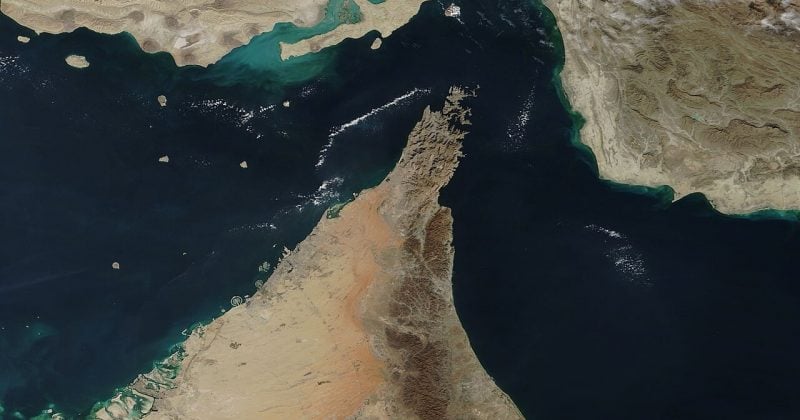
Iran’s recent declaration to close the Strait of Hormuz has significantly impacted maritime activity, with navigation traffic experiencing a marked decrease. The announcement by Iran’s Islamic Revolutionary Guard Corps has led to a substantial drop in the number of vessels passing through the crucial waterway, which is vital for global oil transport. Oman has voiced its concerns over the situation, particularly following drone attacks that it attributes to Iran. These developments come amid heightened tensions in the region, part of the ongoing conflict involving Iran, the United States, and Israel.
Key Takeaways
- The closure of the Strait of Hormuz by Iran appears to have led to a significant decrease in maritime traffic, suggesting a major disruption in the region.
- Market pricing suggests a decrease in the likelihood of navigation traffic normalization by July 31, with current odds reflecting pessimism about a near-term resolution.
- The continued decline in vessel activity is consistent with scenarios where the blockade persists, affecting global oil supply chains.
What to Watch
U.S. and Iranian diplomatic and military interactions will be crucial in determining the future of the Strait’s status. Any developments such as a peace agreement or changes in military postures could influence market expectations regarding the reopening of the strait. Additionally, watch for updates from global shipping and energy markets, which could reflect broader economic impacts and shifts in geopolitical alignments. The response of international bodies, such as the United Nations, may also play a role in shaping the outcome of this evolving situation.
Get live prediction-market analysis, powered by Vera. Sign up for Vera.