
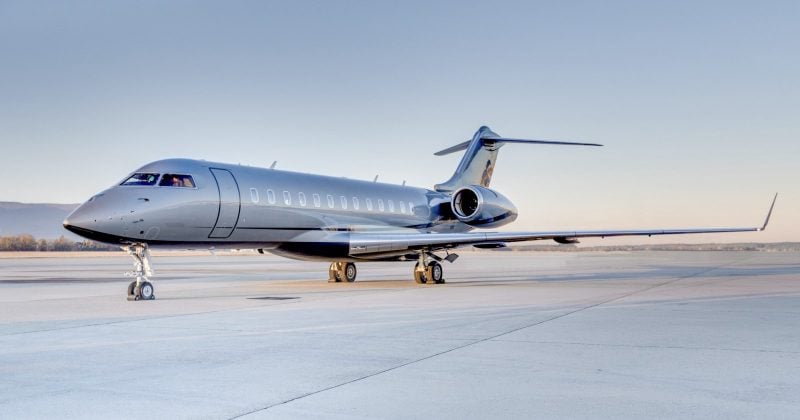
https://globaljet.aero/en/bombardier-global-6000-lx-nst
Iran conflict hits airline stocks, US Global Jets ETF down 4%
Iran full airspace closure
The recent escalation in the Iran conflict has led to a noticeable impact on airline stocks, with the U.S. Global Jets ETF falling 4% on Wednesday. This decline extends a two-day downturn that followed a near-record high last week. The conflict’s intensification, involving U.S. strikes on Iranian targets and retaliatory measures by Iran, has raised concerns about airspace safety and increased jet fuel costs. Markets appear to be pricing in the potential disruption to flight routes, as well as the broader economic implications of rising oil prices and geopolitical tensions.
Prediction markets are reacting to these developments, particularly regarding the likelihood of Iran enacting a full airspace closure by the end of July. The probability of this scenario occurring has fluctuated, with the market currently pricing a 22.5% chance for a July 31 closure, down from 27% earlier in the day. This suggests that while tensions remain high, a full airspace closure is not seen as imminent. The market for a July 15 closure stands at 13.4%, reflecting a more immediate but less likely scenario.
The broader market implications are also evident in the S&P 500, where the likelihood of the index opening higher on July 8 has plummeted to 0.1% from 52% the previous day. This reflects heightened investor concern over the geopolitical landscape and its potential impact on global markets.
Key Takeaways
- Airline stocks have declined amid increased geopolitical tensions, consistent with concerns over airspace safety and rising fuel costs.
- Markets suggest a modest 22.5% chance of Iran implementing a full airspace closure by July 31, indicating uncertainty around immediate airspace restrictions.
- The S&P 500’s probability of opening higher on July 8 has dropped sharply, reflecting market apprehension about ongoing conflicts.
What to Watch
Market participants will be closely monitoring statements from the Civil Aviation Organization of Iran and any potential announcements regarding airspace closures. Developments in the US-Iran conflict, including military engagement and diplomatic efforts, could further influence market pricing. Watch for any de-escalation indicators from key actors, such as President Trump or Iranian leadership, which could reverse current market trends and impact airline and broader market valuations.
Macro, rates, and crypto—what moved markets and what matters next.
Daily. Free. Join 34,000+ readers across crypto, finance, and policy.
Get live prediction-market analysis, powered by Vera. Sign up for Vera.