
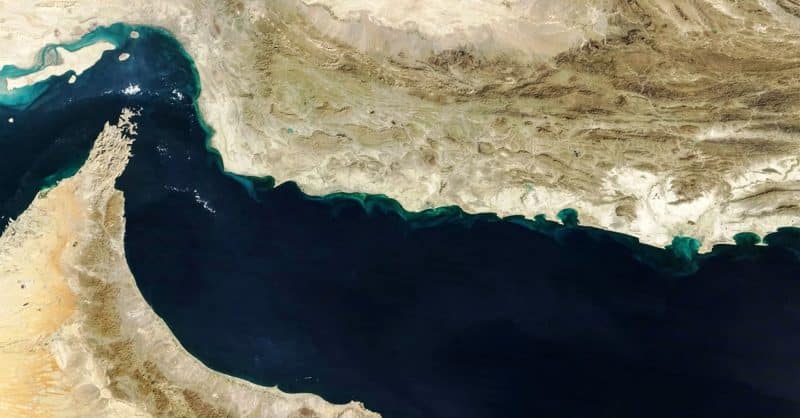
Iran conflict triggers major energy crisis, disrupts Strait of Hormuz shipping
Iranian Regime Fall
## Market Snapshot
The market for “Will the Iranian regime fall by June 30?” is currently priced at 2.4% for a YES outcome, down from 3% a day ago. The market for “US announces new Iran agreement/ceasefire extension by June 7?” is priced at 56.5% YES, up from 36% a day ago.
## Key Takeaways
– The escalation in the Iran conflict appears to support a potential increase in military actions against neighboring countries. – The likelihood of the Iranian regime falling by June 30 suggests low probability, with current pricing at 2.4% YES. – Markets appear less optimistic about a US-Iran agreement or ceasefire extension amid ongoing tensions.
## Article Body
The ongoing conflict between Iran and a coalition led by the United States and Israel has led to a significant energy crisis, drawing comparisons to the energy disruptions of the 1970s. The military confrontation has heavily impacted the Strait of Hormuz, a crucial chokepoint for global oil and LNG supply, leading to disruptions in shipping and increased energy prices worldwide. The situation is a result of direct military actions that have escalated the conflict beyond diplomatic tensions, affecting energy market stability. This development follows historical precedents where supply shocks led to sharp increases in energy prices, further complicating the geopolitical landscape.
Macro, rates, and crypto—what moved markets and what matters next.
Daily. Free. Join 34,000+ readers across crypto, finance, and policy.
## Market Interpretation
The current market pricing suggests that participants are viewing the ongoing conflict as consistent with increased military actions by Iran against its neighbors. This is categorized as a high-impact scenario given the strategic importance of the region and the energy supply routes. Conversely, the probability of the Iranian regime falling by June 30 remains low, with market pricing reflecting limited support for such an outcome. The prospect of a US-Iran ceasefire extension appears less likely amid escalating hostilities, with impact assessed as moderate.
## What to Watch
Observers should monitor any developments regarding the Strait of Hormuz, as further disruption could exacerbate energy market volatility. Key actors to watch include regional leaders and military commanders whose actions could influence the likelihood of further military engagements. Additionally, statements from international bodies and diplomatic channels may provide indications of potential de-escalation or further escalation, affecting market perceptions.