
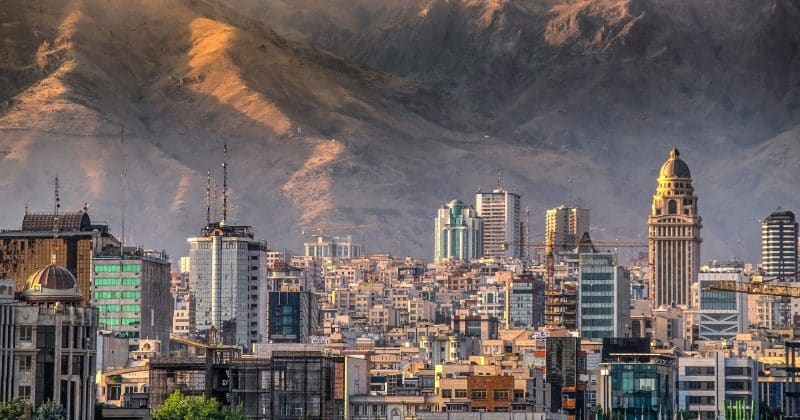
Iran deal includes $300B private investment fund, with over half already committed

Iran deal includes $300B private investment fund, with over half already committed

International firms from the US, Gulf states, Asia, and beyond have pledged more than $150 billion into a private vehicle focused on energy, logistics, and manufacturing in Iran

A framework agreement between the US and Iran includes a $300 billion private investment fund, with more than $150 billion already committed by international companies. The fund, which contains no government money, is designed to create economic incentives ahead of the deal’s final signing on June 19, 2026.

What’s in the deal

The $300 billion fund targets four key sectors: energy, logistics, manufacturing, and transport. Investment commitments have come from firms spanning the US, Gulf Arab states, Asia, South America, and Africa.

Advertisement

The framework agreement aims to end the conflict between the US and Iran that began on February 28, 2026. Iran had initially sought $400 billion in damages compensation, a figure that US officials declined. The final number landed at $300 billion, but structured as private investment rather than any form of government-to-government transfer.

Why corporate money is moving this fast

Iran sits on some of the world’s largest oil and gas reserves. Its geographic position makes it a natural logistics corridor between Asia and Europe. Iran borders Iraq, Turkey, Pakistan, Afghanistan, and several Central Asian nations. Iran has a population of roughly 88 million, a relatively young workforce, and a domestic consumer market that’s been underserved by international brands.

The crypto angle

Iran’s digital asset ecosystem has been growing quietly, valued at approximately $7.78 billion in 2025. The country has used crypto mining, powered by its subsidized energy, as a partial workaround for sanctions-related banking restrictions.

Disclosure: This article was edited by Editorial Team. For more information on how we create and review content, see our Editorial Policy.

Iran deal includes $300B private investment fund, with over half already committed

Iran deal includes $300B private investment fund, with over half already committed

International firms from the US, Gulf states, Asia, and beyond have pledged more than $150 billion into a private vehicle focused on energy, logistics, and manufacturing in Iran

A framework agreement between the US and Iran includes a $300 billion private investment fund, with more than $150 billion already committed by international companies. The fund, which contains no government money, is designed to create economic incentives ahead of the deal’s final signing on June 19, 2026.

What’s in the deal

The $300 billion fund targets four key sectors: energy, logistics, manufacturing, and transport. Investment commitments have come from firms spanning the US, Gulf Arab states, Asia, South America, and Africa.

Advertisement

The framework agreement aims to end the conflict between the US and Iran that began on February 28, 2026. Iran had initially sought $400 billion in damages compensation, a figure that US officials declined. The final number landed at $300 billion, but structured as private investment rather than any form of government-to-government transfer.

Why corporate money is moving this fast

Iran sits on some of the world’s largest oil and gas reserves. Its geographic position makes it a natural logistics corridor between Asia and Europe. Iran borders Iraq, Turkey, Pakistan, Afghanistan, and several Central Asian nations. Iran has a population of roughly 88 million, a relatively young workforce, and a domestic consumer market that’s been underserved by international brands.

The crypto angle

Iran’s digital asset ecosystem has been growing quietly, valued at approximately $7.78 billion in 2025. The country has used crypto mining, powered by its subsidized energy, as a partial workaround for sanctions-related banking restrictions.

Disclosure: This article was edited by Editorial Team. For more information on how we create and review content, see our Editorial Policy.