
Iran repudiates US allegations of drone attack on UAE nuclear plant as oil spikes above $105
A drone strike on the Barakah nuclear facility has rattled energy markets and sent ripple effects through crypto, with Bitcoin facing renewed geopolitical headwinds.
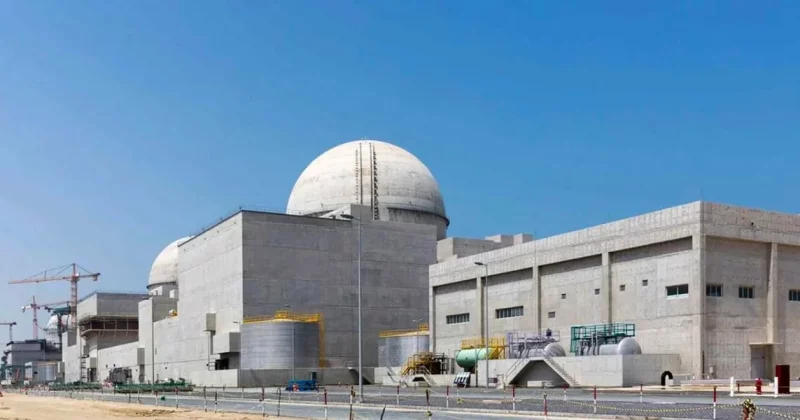
A drone strike hit the Barakah Nuclear Energy Plant in Abu Dhabi on May 17, igniting a fire in an electrical substation on the facility’s perimeter. No damage reached the reactor core, no casualties were reported, and the plant operator confirmed normal operations with emergency systems activated.
UAE authorities traced the drones back to Iraqi territory, pointing the finger at Iranian-backed militias operating amid the broader US-Iran standoff. Iran’s ambassador to the US categorically denied any involvement, instead suggesting that Israel orchestrated the attack to escalate tensions between Tehran and Abu Dhabi. Oil prices surged above $105 per barrel almost immediately, and the shockwave didn’t stop at energy markets.
What happened at Barakah
The Barakah plant is the UAE’s flagship nuclear energy project and the first operational nuclear power station in the Arab world. No group has formally claimed responsibility. The UAE’s determination that the drones launched from Iraq has focused accusations on Iran-linked militia groups, a characterization Tehran has firmly rejected. Iran’s counter-narrative, that Israel was behind the strike, adds another layer of complexity to an already tangled regional picture.
Oil spikes, risk appetite shrinks
Oil clearing $105 per barrel is the kind of headline that makes portfolio managers reach for the antacids. The immediate aftermath of the Barakah strike followed that playbook. Crypto markets experienced increased volatility, with major digital assets including Bitcoin seeing choppy price action as traders recalibrated their exposure to risk.
The news moving money, markets, and the world—before your day starts.
Daily. Free. Join 34,000+ readers across crypto, finance, and policy.
UAE crypto operations and the infrastructure question
The UAE has spent the last several years positioning itself as a global hub for digital assets. Abu Dhabi and Dubai have built regulatory frameworks, attracted exchanges, and courted institutional crypto capital with a level of intentionality that few jurisdictions can match.
Iran’s relationship with digital currencies adds another wrinkle. Tehran has historically used crypto as a tool to circumvent international sanctions, routing transactions through decentralized networks to access capital that traditional banking channels would block. Escalating tensions between Iran and Gulf states could accelerate that dynamic, potentially drawing additional regulatory scrutiny to crypto flows in the region.