
Nexo Earn with Nexo
Iran ends military operations against Israel, warns of harsher retaliation if Lebanon is attacked

Iran ends military operations against Israel, warns of harsher retaliation if Lebanon is attacked

The announcement coincides with a US ceasefire call, and crypto markets are watching closely as geopolitical risk recalibrates.

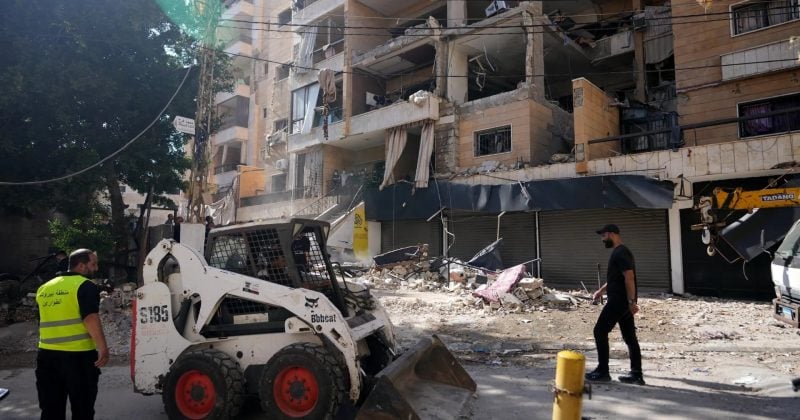
Iran’s armed forces declared on June 8 that they have concluded military operations against Israel, framing the strikes as a direct response to prior Israeli military actions. The statement, delivered through the Khatam al-Anbiya Central Headquarters, came with a pointed warning: if Israel resumes attacks on Lebanon, Iran’s next response will be significantly harsher.

US President Donald Trump simultaneously called for an immediate halt to attacks in the region, signaling that Washington is actively pushing both sides toward de-escalation.

A conflict decades in the making

The Iran-Israel proxy conflict traces its roots back to 1985, making it one of the longest-running geopolitical rivalries in the modern Middle East. But the period from 2024 through 2026 saw a dramatic escalation that turned simmering tensions into outright military confrontation.

Advertisement

The most intense chapter came in June 2025, during what has been called the Twelve-Day War. That engagement, marked by sustained combat between Iranian and Israeli forces, ultimately ended through a US-brokered ceasefire.

A temporary ceasefire established in April 2026 collapsed, leading to the renewed strikes that Iran now says it has concluded.

Iran’s latest announcement positions itself as a defensive actor, claiming its operations were purely retaliatory. The explicit linkage to Lebanon is significant. It effectively draws a red line, telling Israel that any military action against Hezbollah or Lebanese territory will be treated as a direct provocation warranting Iranian military response.

What this means for crypto markets

Historically, sudden flare-ups in the region have triggered pronounced risk-off sentiment, sending investors scrambling toward safer positions and away from volatile assets like Bitcoin and altcoins.

Initial reports from the June 8 announcement did not indicate any specific, immediate reactions from major crypto outlets or dramatic price movements tied directly to Iran’s statement.

The April 2026 ceasefire lasted only weeks before hostilities resumed.

The risk calculus for investors

The wildcard is Iran’s explicit red line around Lebanon. Hezbollah remains deeply embedded in the broader Iran-Israel strategic picture, and any Israeli military activity in southern Lebanon could trigger exactly the escalation Iran is warning about.

Disclosure: This article was edited by Editorial Team. For more information on how we create and review content, see our Editorial Policy.

Iran ends military operations against Israel, warns of harsher retaliation if Lebanon is attacked

Iran ends military operations against Israel, warns of harsher retaliation if Lebanon is attacked

The announcement coincides with a US ceasefire call, and crypto markets are watching closely as geopolitical risk recalibrates.

Iran’s armed forces declared on June 8 that they have concluded military operations against Israel, framing the strikes as a direct response to prior Israeli military actions. The statement, delivered through the Khatam al-Anbiya Central Headquarters, came with a pointed warning: if Israel resumes attacks on Lebanon, Iran’s next response will be significantly harsher.

US President Donald Trump simultaneously called for an immediate halt to attacks in the region, signaling that Washington is actively pushing both sides toward de-escalation.

A conflict decades in the making

The Iran-Israel proxy conflict traces its roots back to 1985, making it one of the longest-running geopolitical rivalries in the modern Middle East. But the period from 2024 through 2026 saw a dramatic escalation that turned simmering tensions into outright military confrontation.

Advertisement

The most intense chapter came in June 2025, during what has been called the Twelve-Day War. That engagement, marked by sustained combat between Iranian and Israeli forces, ultimately ended through a US-brokered ceasefire.

A temporary ceasefire established in April 2026 collapsed, leading to the renewed strikes that Iran now says it has concluded.

Iran’s latest announcement positions itself as a defensive actor, claiming its operations were purely retaliatory. The explicit linkage to Lebanon is significant. It effectively draws a red line, telling Israel that any military action against Hezbollah or Lebanese territory will be treated as a direct provocation warranting Iranian military response.

What this means for crypto markets

Historically, sudden flare-ups in the region have triggered pronounced risk-off sentiment, sending investors scrambling toward safer positions and away from volatile assets like Bitcoin and altcoins.

Initial reports from the June 8 announcement did not indicate any specific, immediate reactions from major crypto outlets or dramatic price movements tied directly to Iran’s statement.

The April 2026 ceasefire lasted only weeks before hostilities resumed.

The risk calculus for investors

The wildcard is Iran’s explicit red line around Lebanon. Hezbollah remains deeply embedded in the broader Iran-Israel strategic picture, and any Israeli military activity in southern Lebanon could trigger exactly the escalation Iran is warning about.

Disclosure: This article was edited by Editorial Team. For more information on how we create and review content, see our Editorial Policy.