
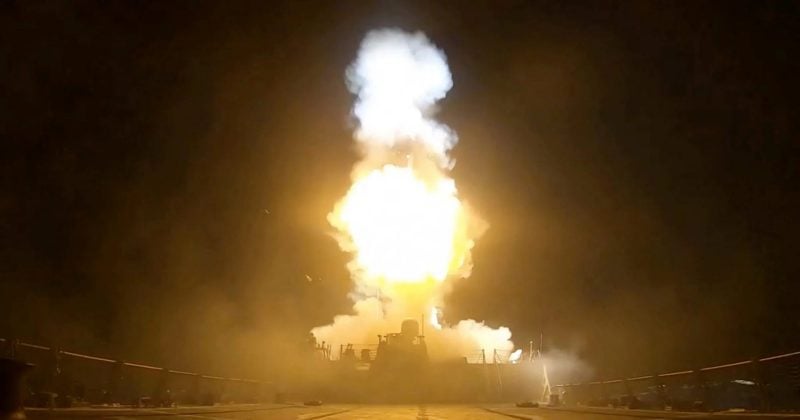
Iran expands attacks on US bases, disrupting Strait of Hormuz oil flow

https://gcaptain.com/iran-widens-attacks-on-us-bases-in-gulf-hormuz-tensions-lift-oil-prices/

Iran expands attacks on US bases, disrupting Strait of Hormuz oil flow

WTI crude oil prices in July 2026

Recent escalations in the Gulf region have led to a significant disruption in the Strait of Hormuz, a critical chokepoint for global oil supply. Iran has expanded its attacks on U.S. military bases in the area, prompting retaliatory strikes from the U.S. As a result, commercial shipping through the Strait has fallen to its lowest levels in weeks, with just 14 ships recorded on Sunday. This disruption has triggered a war premium, pushing oil prices up by over 3% to approximately $116 per barrel.

Advertisement

The Strait of Hormuz is crucial as it handles about 20% of the world’s oil supply. With the current reduction in traffic, global oil flow has decreased by an estimated 11 million barrels per day. This situation has contributed to a surge in headline Personal Consumption Expenditures (PCE) inflation, which reached 4.1% in May 2026, the highest since April 2023. Market participants are now adjusting their expectations regarding the Federal Reserve’s interest rate policies, with a 50% probability of a rate hike by September being priced in.

Key Takeaways

  • The disruption in the Strait of Hormuz appears to have led to a significant increase in oil prices, with markets now pricing in a war premium.
  • Market activity suggests participants anticipate continued geopolitical tension, affecting global oil supply and inflation expectations.
  • The current situation may indicate limited room for the Federal Reserve to cut interest rates, as inflation pressures persist.

What to Watch

Observers will be closely monitoring any further military developments between the U.S. and Iran, as these could influence the stability of oil supply routes. Additionally, announcements from OPEC+ regarding production adjustments could have significant implications for oil prices. The Federal Reserve’s next moves in response to rising inflation will be crucial, with market participants looking for indications that could alter current expectations of a potential rate hike.

Get live prediction-market analysis, powered by Vera. Sign up for Vera.

Disclosure: This article was edited by Estefano Gomez. For more information on how we create and review content, see our Editorial Policy.

Iran expands attacks on US bases, disrupting Strait of Hormuz oil flow

Iran expands attacks on US bases, disrupting Strait of Hormuz oil flow

WTI crude oil prices in July 2026

https://gcaptain.com/iran-widens-attacks-on-us-bases-in-gulf-hormuz-tensions-lift-oil-prices/

Recent escalations in the Gulf region have led to a significant disruption in the Strait of Hormuz, a critical chokepoint for global oil supply. Iran has expanded its attacks on U.S. military bases in the area, prompting retaliatory strikes from the U.S. As a result, commercial shipping through the Strait has fallen to its lowest levels in weeks, with just 14 ships recorded on Sunday. This disruption has triggered a war premium, pushing oil prices up by over 3% to approximately $116 per barrel.

Advertisement

The Strait of Hormuz is crucial as it handles about 20% of the world’s oil supply. With the current reduction in traffic, global oil flow has decreased by an estimated 11 million barrels per day. This situation has contributed to a surge in headline Personal Consumption Expenditures (PCE) inflation, which reached 4.1% in May 2026, the highest since April 2023. Market participants are now adjusting their expectations regarding the Federal Reserve’s interest rate policies, with a 50% probability of a rate hike by September being priced in.

Key Takeaways

  • The disruption in the Strait of Hormuz appears to have led to a significant increase in oil prices, with markets now pricing in a war premium.
  • Market activity suggests participants anticipate continued geopolitical tension, affecting global oil supply and inflation expectations.
  • The current situation may indicate limited room for the Federal Reserve to cut interest rates, as inflation pressures persist.

What to Watch

Observers will be closely monitoring any further military developments between the U.S. and Iran, as these could influence the stability of oil supply routes. Additionally, announcements from OPEC+ regarding production adjustments could have significant implications for oil prices. The Federal Reserve’s next moves in response to rising inflation will be crucial, with market participants looking for indications that could alter current expectations of a potential rate hike.

Get live prediction-market analysis, powered by Vera. Sign up for Vera.

Disclosure: This article was edited by Estefano Gomez. For more information on how we create and review content, see our Editorial Policy.