
 Earn with Nexo

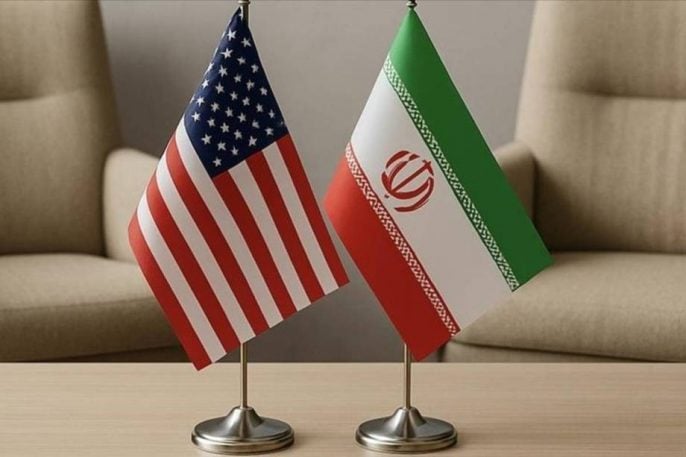
An Iranian lawmaker says Iran’s delegation to Pakistan is focused on pressuring the United States rather than negotiating, a stance that weighs on the odds of a US-Iran permanent peace deal by April 22, 2026.
The permanent peace deal market reflects deep skepticism. Iran’s stated preference for pressure over dialogue points to limited de-escalation potential. The ceasefire markets tell a different story: both the April 15 and April 30 contracts sit at 100% YES, meaning traders expect the temporary ceasefire to hold through those dates but are not pricing in anything beyond that.
Trading volume at zero dollars suggests no fresh bets are being placed, likely because positions are already entrenched rather than because traders see progress toward a deal. With Iran’s delegation explicitly not prioritizing negotiation, expectations for a quick diplomatic breakthrough are low. The markets are static, and without a meaningful shift, traders have little reason to move.
This matters because Iran’s pressure-first approach directly reduces the probability of a permanent agreement. Iran’s specific demands, including a Lebanon ceasefire and asset release, remain unresolved. The ceasefire contracts at 100% YES look locked in through April, but the underlying tension makes any lasting peace a different question entirely.
Watch for any change in tone from the Iranian delegation or US responses. A shift toward negotiation would be a clear signal, especially if Pakistan plays a mediating role. Announcements from the Islamabad talks could move these markets.
Get prediction market intelligence as a structured API feed. Early access waitlist.