
Iran national football team wins US visa appeals for four delegates
Eleven members of Iran's World Cup delegation remain barred from entering the US as geopolitical tensions reshape tournament logistics.
Four members of Iran’s 2026 FIFA World Cup delegation have successfully appealed their US visa denials, a small but notable breakthrough in a diplomatic standoff that has turned football logistics into a geopolitical chess match.
The wins bring partial relief to a delegation that has been navigating one of the most politically charged World Cup buildups in recent memory. But with 11 staff members and officials still barred from US entry, Iran’s problems are far from over.
What happened, and who’s still locked out
Iran originally had 15 delegation members denied US visas on security grounds. The four successful appeals included a technical staff analyst and two officials from the Iranian football federation’s international department.
The full 26-man player roster and select support staff had already been granted visas after applying from Turkey in early June 2026. The fight has always been about the broader delegation: the officials, the federation brass, the operational backbone that keeps a World Cup campaign running.
Among the 11 still denied entry are federation president Mehdi Taj and vice president Mehdi Mohammad Nabi.
The news moving money, markets, and the world—before your day starts.
Daily. Free. Join 34,000+ readers across crypto, finance, and policy.
Mexico becomes Plan B
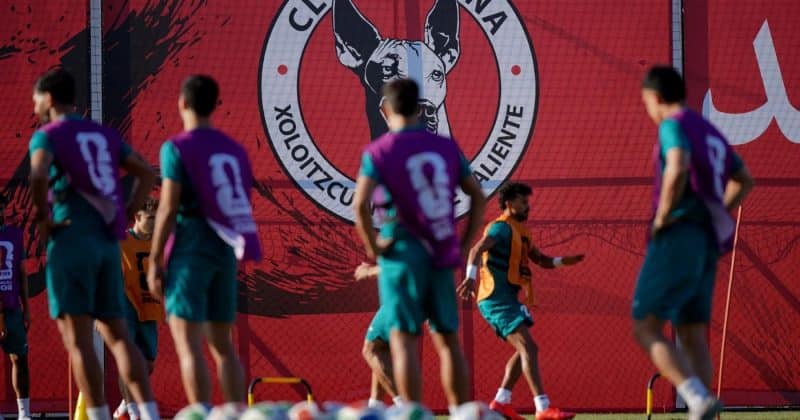
Iran has relocated its entire operational base to Mexico in response to the visa restrictions. The 2026 World Cup is co-hosted by the US, Canada, and Mexico, which gives teams some geographic flexibility. Iran is using that flexibility out of necessity rather than preference.
Iran’s football federation has been vocal about its frustration. Officials have publicly condemned the visa denials as discriminatory and directed pointed criticism at FIFA for what they describe as inadequate support in navigating the bureaucratic obstacles.
Iran boycotted the December 2025 World Cup draw in Washington as a protest against limited visa approvals.
The bigger picture: sports caught in a diplomatic crossfire
US officials have maintained that they made genuine efforts to process Iran’s visa applications, framing the denials as standard security assessments rather than political targeting.
Iran’s criticism of FIFA centers on coordination. The federation has argued that FIFA should have done more to ensure all participating nations could bring full delegations to a tournament FIFA itself awarded to North American hosts. FIFA, for its part, has limited leverage over sovereign visa decisions. It can lobby, but it can’t override a country’s immigration authority.