
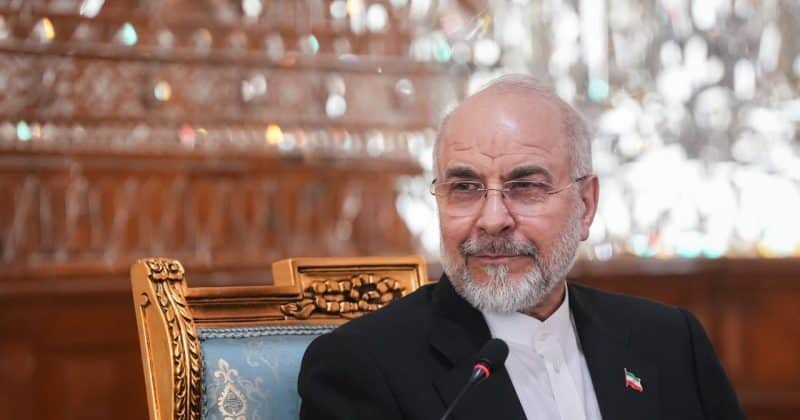
Iran delegation led by Speaker Ghalibaf exits US talks after 18 hours of negotiations

Iran delegation led by Speaker Ghalibaf exits US talks after 18 hours of negotiations

The Iranian team walked out of Switzerland-hosted discussions amid frustrations over Trump's remarks on Hezbollah, though back-channel communications may keep diplomacy alive

Eighteen hours is a long time to sit across the table from someone, only to get up and leave. That’s exactly what Iran’s delegation did during high-stakes negotiations with US officials in Switzerland, with Parliament Speaker Mohammad Bagher Ghalibaf leading his team out of the venue after marathon talks that began on June 21.

The walkout, triggered by what Iranian officials described as hostile remarks from President Trump regarding Iran’s support for Hezbollah, marks another chapter in the long, turbulent history of US-Iran diplomacy.

What happened in Switzerland

The Iranian delegation was led by two of the country’s most senior figures: Parliament Speaker Ghalibaf and Foreign Minister Abbas Araghchi. The presence of both officials signaled that Tehran was treating these talks with genuine seriousness, not merely sending mid-level bureaucrats to go through the motions.

The agenda was broad and consequential. Discussions covered Iran’s relationship with Hezbollah, security in the Strait of Hormuz, and the possibility of sanctions relief.

Advertisement

Qatar and Pakistan served as mediators, an arrangement designed to provide neutral ground for two nations that don’t exactly have a history of productive one-on-one conversations.

But roughly 18 hours into the negotiations, the Iranian team had had enough. The proximate cause was Trump’s public comments about Iran’s backing of Hezbollah, which the delegation interpreted as undermining the very diplomatic process they were sitting in.

Ghalibaf stated that US threats do not affect Iranians, a line delivered by one of Iran’s most powerful political figures in the middle of walking out of international negotiations.

The pattern of collapse and continuation

What makes this particular episode notable is the seniority of the participants. Ghalibaf isn’t a foreign ministry undersecretary or a special envoy. He’s the Speaker of Iran’s Parliament, a figure who has held that position since 2020 and whose background as a former Islamic Revolutionary Guard Corps brigadier general has shaped his approach to international diplomacy.

The inclusion of sanctions relief on the agenda suggests that both sides came to Switzerland with at least some appetite for a deal.

Reports indicate that back-channel communications continued even after the formal walkout. The fact that informal channels remain active suggests both sides view the current impasse as a pause, not a period.

What this means for markets and geopolitics

For investors watching global markets, the immediate concern is the Strait of Hormuz. Roughly 20% of the world’s oil passes through that narrow waterway, and any military posturing in the region tends to spike energy prices.

The sanctions question matters too. If relief were on the table, it would mean more Iranian oil entering global markets, which would push crude prices lower. That prospect just got pushed further into the future.

Watch for two things in the coming days: whether Ghalibaf makes additional public statements hardening Iran’s position, and whether the Trump administration responds with new sanctions or military movements.

Disclosure: This article was edited by Editorial Team. For more information on how we create and review content, see our Editorial Policy.

Iran delegation led by Speaker Ghalibaf exits US talks after 18 hours of negotiations

Iran delegation led by Speaker Ghalibaf exits US talks after 18 hours of negotiations

The Iranian team walked out of Switzerland-hosted discussions amid frustrations over Trump's remarks on Hezbollah, though back-channel communications may keep diplomacy alive

Eighteen hours is a long time to sit across the table from someone, only to get up and leave. That’s exactly what Iran’s delegation did during high-stakes negotiations with US officials in Switzerland, with Parliament Speaker Mohammad Bagher Ghalibaf leading his team out of the venue after marathon talks that began on June 21.

The walkout, triggered by what Iranian officials described as hostile remarks from President Trump regarding Iran’s support for Hezbollah, marks another chapter in the long, turbulent history of US-Iran diplomacy.

What happened in Switzerland

The Iranian delegation was led by two of the country’s most senior figures: Parliament Speaker Ghalibaf and Foreign Minister Abbas Araghchi. The presence of both officials signaled that Tehran was treating these talks with genuine seriousness, not merely sending mid-level bureaucrats to go through the motions.

The agenda was broad and consequential. Discussions covered Iran’s relationship with Hezbollah, security in the Strait of Hormuz, and the possibility of sanctions relief.

Advertisement

Qatar and Pakistan served as mediators, an arrangement designed to provide neutral ground for two nations that don’t exactly have a history of productive one-on-one conversations.

But roughly 18 hours into the negotiations, the Iranian team had had enough. The proximate cause was Trump’s public comments about Iran’s backing of Hezbollah, which the delegation interpreted as undermining the very diplomatic process they were sitting in.

Ghalibaf stated that US threats do not affect Iranians, a line delivered by one of Iran’s most powerful political figures in the middle of walking out of international negotiations.

The pattern of collapse and continuation

What makes this particular episode notable is the seniority of the participants. Ghalibaf isn’t a foreign ministry undersecretary or a special envoy. He’s the Speaker of Iran’s Parliament, a figure who has held that position since 2020 and whose background as a former Islamic Revolutionary Guard Corps brigadier general has shaped his approach to international diplomacy.

The inclusion of sanctions relief on the agenda suggests that both sides came to Switzerland with at least some appetite for a deal.

Reports indicate that back-channel communications continued even after the formal walkout. The fact that informal channels remain active suggests both sides view the current impasse as a pause, not a period.

What this means for markets and geopolitics

For investors watching global markets, the immediate concern is the Strait of Hormuz. Roughly 20% of the world’s oil passes through that narrow waterway, and any military posturing in the region tends to spike energy prices.

The sanctions question matters too. If relief were on the table, it would mean more Iranian oil entering global markets, which would push crude prices lower. That prospect just got pushed further into the future.

Watch for two things in the coming days: whether Ghalibaf makes additional public statements hardening Iran’s position, and whether the Trump administration responds with new sanctions or military movements.

Disclosure: This article was edited by Editorial Team. For more information on how we create and review content, see our Editorial Policy.