
Iran hardliners blamed as cost of US strikes mounts

https://www.foxnews.com/world/inside-irans-military-missiles-militias-force-built-survival

Iran hardliners blamed as cost of US strikes mounts

US-Iran deal in 2026

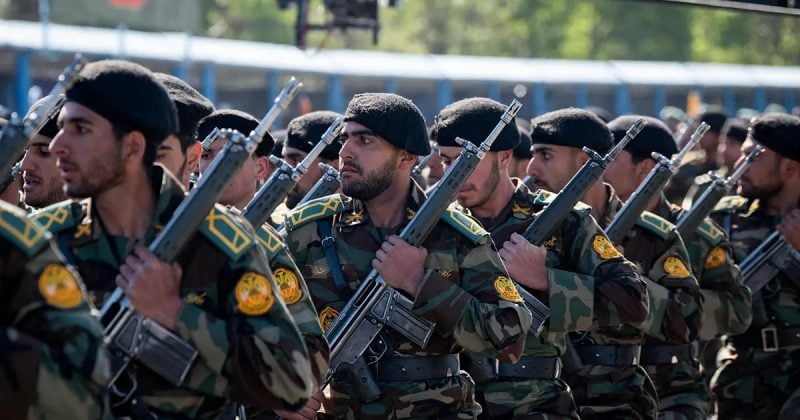
Iranian hardliners are facing criticism as the financial and human costs of recent US military strikes escalate. The strikes have intensified following the collapse of a fragile ceasefire in the ongoing US-Iran conflict. This development underscores the tensions within Tehran’s leadership, where hardliners, including the Islamic Revolutionary Guard Corps (IRGC), are pushing for further confrontation. In contrast, moderate factions are advocating for diplomacy to mitigate the economic and human toll. The internal power struggle in Iran is contributing to the broader geopolitical instability in the region.

Advertisement

Key Takeaways

  • The increased costs from US strikes appear to be causing friction between hardliners and moderates in Iran, suggesting an internal power struggle.
  • Market pricing suggests that these developments are consistent with a decreased likelihood of a US-Iran deal in 2026, as evidenced by declining YES odds in related prediction markets.
  • Observations indicate that the tension between Tehran’s factions could lead to further escalation, impacting ongoing diplomatic efforts.

What to Watch

Continued US military action and the Iranian response will be key indicators to monitor, especially in the context of Tehran’s internal dynamics. Watch for statements and actions from key actors such as the IRGC and Iranian moderates, as these could influence the likelihood of diplomatic resolutions. Further economic strain or increased casualties may also impact prediction markets related to potential US-Iran deals. Any shifts in market pricing could indicate changes in the perceived probability of diplomatic breakthroughs.

Get live prediction-market analysis, powered by Vera. Sign up for Vera.

Disclosure: This article was edited by Estefano Gomez. For more information on how we create and review content, see our Editorial Policy.

Iran hardliners blamed as cost of US strikes mounts

Iran hardliners blamed as cost of US strikes mounts

US-Iran deal in 2026

https://www.foxnews.com/world/inside-irans-military-missiles-militias-force-built-survival

Iranian hardliners are facing criticism as the financial and human costs of recent US military strikes escalate. The strikes have intensified following the collapse of a fragile ceasefire in the ongoing US-Iran conflict. This development underscores the tensions within Tehran’s leadership, where hardliners, including the Islamic Revolutionary Guard Corps (IRGC), are pushing for further confrontation. In contrast, moderate factions are advocating for diplomacy to mitigate the economic and human toll. The internal power struggle in Iran is contributing to the broader geopolitical instability in the region.

Advertisement

Key Takeaways

  • The increased costs from US strikes appear to be causing friction between hardliners and moderates in Iran, suggesting an internal power struggle.
  • Market pricing suggests that these developments are consistent with a decreased likelihood of a US-Iran deal in 2026, as evidenced by declining YES odds in related prediction markets.
  • Observations indicate that the tension between Tehran’s factions could lead to further escalation, impacting ongoing diplomatic efforts.

What to Watch

Continued US military action and the Iranian response will be key indicators to monitor, especially in the context of Tehran’s internal dynamics. Watch for statements and actions from key actors such as the IRGC and Iranian moderates, as these could influence the likelihood of diplomatic resolutions. Further economic strain or increased casualties may also impact prediction markets related to potential US-Iran deals. Any shifts in market pricing could indicate changes in the perceived probability of diplomatic breakthroughs.

Get live prediction-market analysis, powered by Vera. Sign up for Vera.

Disclosure: This article was edited by Estefano Gomez. For more information on how we create and review content, see our Editorial Policy.