
Iran demands full control of Strait of Hormuz, rejects nuclear talks in favor of Bitcoin-settled maritime platform
Tehran's negotiation demands include transit authority over one of the world's most critical shipping lanes and a crypto-powered insurance scheme called Hormuz Safe
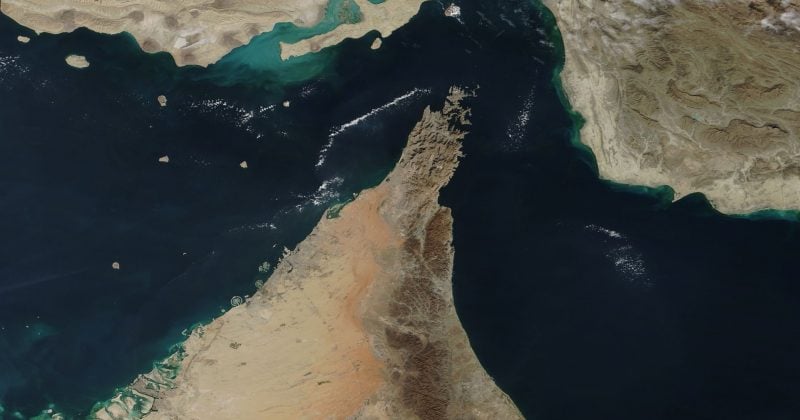
Iran has laid out a set of preconditions for any future talks with the United States. Among the demands: full control over the Strait of Hormuz, including authority over transit management, toll collection, and maritime services for every vessel passing through one of the most strategically vital waterways on the planet.
Roughly 20% of the world’s oil supply passes through the Strait of Hormuz on any given day.
The full list of demands
Tehran’s negotiation stance goes well beyond waterway control. Iran is also demanding access to frozen assets, estimated between $6 billion and $12 billion, that have been locked up under various sanctions regimes. On top of that, Iran wants a verified end to Israeli military operations in Lebanon before it will even sit down at the table.
Iran has rejected or sidelined nuclear negotiations entirely, choosing instead to center discussions on strait control and sanctions relief.
Mediators from Pakistan, Qatar, and Oman have reportedly been involved in attempting to bridge the gap between Washington and Tehran.
The news moving money, markets, and the world—before your day starts.
Daily. Free. Join 34,000+ readers across crypto, finance, and policy.
The conflict in the region has persisted since February 2026, with both sides implementing blockades of various kinds. Shipping routes have already seen meaningful disruptions, with vessels increasingly forced to reroute closer to Omani waters to avoid Iranian-controlled zones.
Hormuz Safe: the Bitcoin-settled insurance play
Iran has proposed an initiative called “Hormuz Safe,” a maritime insurance platform for shipping traffic through the strait that would be settled entirely in Bitcoin. Iran anticipates the platform could generate over $10 billion in revenue. Bitcoin settlement offers a way to collect that revenue outside the reach of US dollar-denominated sanctions.
Bitcoin is the only cryptocurrency mentioned in association with the platform. No stablecoins, no Ethereum, no tokenized anything.
What this means for crypto investors
Bitcoin has been hovering near $64,000, and its price has shown sensitivity to geopolitical developments in the region.
The proposed $10 billion revenue target for Hormuz Safe is eye-catching, but Iran’s ability to actually implement a Bitcoin-settled insurance platform depends on several things going right simultaneously: maintaining physical control of the strait, onboarding international shipping companies onto a sanctioned platform, and processing billions in Bitcoin transactions without the kind of infrastructure that typically takes years to build.