
Iran launches missile volley at Israel, putting fragile ceasefire on life support
Nearly 30 ballistic missiles targeted Israeli territory in the first direct Iranian strike since the April 2026 ceasefire, sending risk-off tremors through crypto markets.
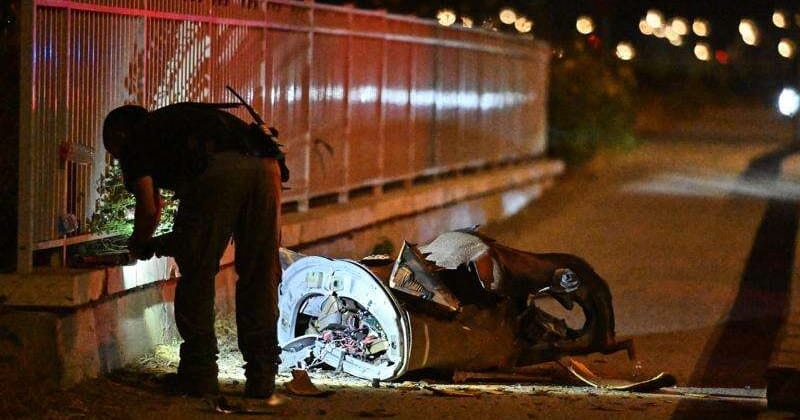
Iran fired waves of ballistic missiles at Israel starting late on June 7, 2026, shattering a ceasefire that had barely survived two months. The attack, a direct response to Israeli airstrikes on Hezbollah positions in southern Beirut, marks the first time Iranian missiles have struck at Israeli soil since a US-brokered pause in hostilities was established in April 2026.
Nearly 30 missiles were launched, primarily aimed at northern and central Israel. Israeli defense systems intercepted the vast majority of them, resulting in minimal damage and limited casualties.
What happened and why it matters
In early 2025, hostilities between Iran and Israel intensified to the point where direct military exchanges became routine rather than exceptional. The April 2026 ceasefire represented the first meaningful pause in that cycle of escalation, brokered with significant US involvement.
Israel’s strikes on Hezbollah targets in southern Beirut were the catalyst. Iran has long treated attacks on Hezbollah, its most important proxy force in the region, as attacks on its own strategic interests.
In retaliation, Israeli forces struck Iranian military facilities across western and central Iran, targeting truck-based missile launchers and a petrochemical plant in Tehran.
Both sides almost immediately signaled they wanted to step back from the brink. Iran indicated it would cease operations unless provoked again. Israeli authorities appeared to pause their strikes. US President Donald Trump reportedly urged both parties to refrain from further escalation, emphasizing diplomatic solutions.
The news moving money, markets, and the world—before your day starts.
Daily. Free. Join 34,000+ readers across crypto, finance, and policy.
The simultaneous conflict involving Hezbollah in Lebanon adds another layer of complexity. Hezbollah’s military objectives have historically been intertwined with Iranian strategy in the region, meaning any Israeli action in Lebanon carries the risk of triggering a response from Tehran.
Bitcoin and crypto markets feel the pressure
Bitcoin experienced price pressure against the backdrop of the conflict, consistent with how the market has historically responded to Middle Eastern military escalations. In moments of acute crisis, Bitcoin still trades more like a risk asset than a store of value. The April 2026 ceasefire itself was preceded by a period of intense market volatility that eventually resolved as diplomatic progress became visible.
What investors should be watching
Energy markets are a key variable to watch. Any sustained military exchange between Iran and Israel puts oil supply chains at risk, which cascades into inflation expectations, which cascades into monetary policy expectations.
For crypto traders specifically, leverage becomes especially dangerous when geopolitical headlines can move markets in seconds. Protective strategies, whether that means reducing position sizes, tightening stops, or moving to stablecoins temporarily, tend to outperform aggressive bets during periods of genuine uncertainty.
US diplomatic involvement adds another variable. Trump’s push for restraint suggests Washington still sees value in the ceasefire framework and may apply economic pressure on both sides to return to it.