
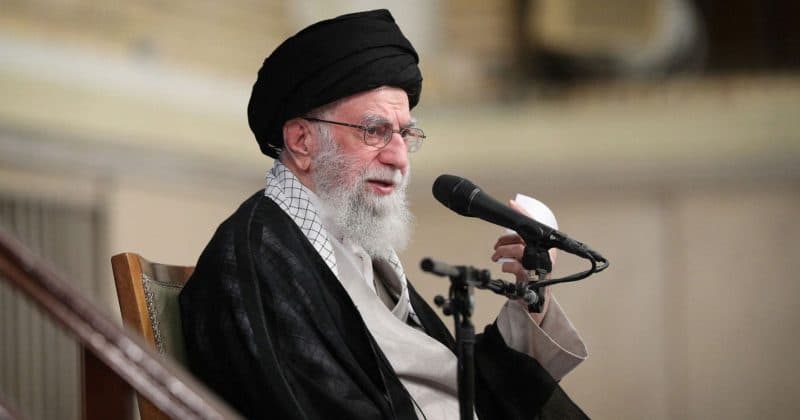
Iran’s Khamenei adviser warns against optimism in US talks, says America negotiating from desperation
Mohsen Rezaei says Washington must release $24 billion in frozen Iranian assets before trust can be built, while a 60-day negotiation clock ticks down
Mohsen Rezaei, a senior military adviser to Iranian Supreme Leader Mojtaba Khamenei, is throwing cold water on any notion that US-Iran talks are headed toward a breakthrough. His message is blunt: the United States came to the table not from a position of strength, but because years of trying to force Iran’s surrender didn’t work.
The talks, anchored by a 14-point memorandum of understanding signed in June 2026, were supposed to kick off a productive 60-day negotiation window. Instead, they’re already stalled, with $24 billion in frozen Iranian assets sitting at the center of the impasse.
What Rezaei is actually saying
In a CNN interview on June 5, 2026, Rezaei laid out his case plainly. The US needs to release those frozen assets as a trust-building gesture before meaningful progress can happen. Without that step, he argued, the entire process is performative.
By June 20, he went further. Rezaei warned that the final text of any agreement must use precise legal language, specifically to prevent the US from exploiting ambiguities. His target: the 14-point MoU itself, which he characterized as riddled with vague terms, particularly around sanctions relief.
He also made a point of shutting down speculation about a summit between top leaders. On June 18, Rezaei stated flatly that meetings between Trump and Khamenei will not occur, calling US demands unsustainable in their current form.
Macro, rates, and crypto—what moved markets and what matters next.
Daily. Free. Join 34,000+ readers across crypto, finance, and policy.
Khamenei approved the MoU, but with caveats
Supreme Leader Mojtaba Khamenei himself acknowledged on June 18, 2026, that he had reservations about the memorandum of understanding. He approved it anyway, citing trust in commitments made by Iranian officials that the country’s essential interests, and those of its allies in the so-called “Axis of Resistance,” would be protected.
The 60-day negotiation period began around June 18-20, 2026, which means the clock is already running.
The $24 billion question
Iran views the release of approximately $24 billion as the minimum threshold for demonstrating good faith. Without it, Rezaei and others in Iran’s leadership circle see no reason to make concessions on their end.
The 14-point MoU was designed to bridge exactly this kind of gap, creating a structured pathway where both sides could make incremental moves. But Rezaei has characterized the framework itself as flawed, citing vague terms particularly around sanctions relief.
Rezaei’s framing of the negotiations is also worth noting for what it reveals about Iran’s internal narrative. By casting the US as desperate, he’s reinforcing a domestic message: Iran isn’t begging for a deal, it’s granting the US an opportunity to de-escalate on terms that respect Iranian sovereignty.