Nexo Earn with Nexo
Iran’s Kharg Island oil shipments halt for first time since war began

Iran’s Kharg Island oil shipments halt for first time since war began

The US naval blockade has prevented Iranian crude exports for 28 consecutive days, threatening storage saturation and production shutdowns at the country's most critical oil terminal.

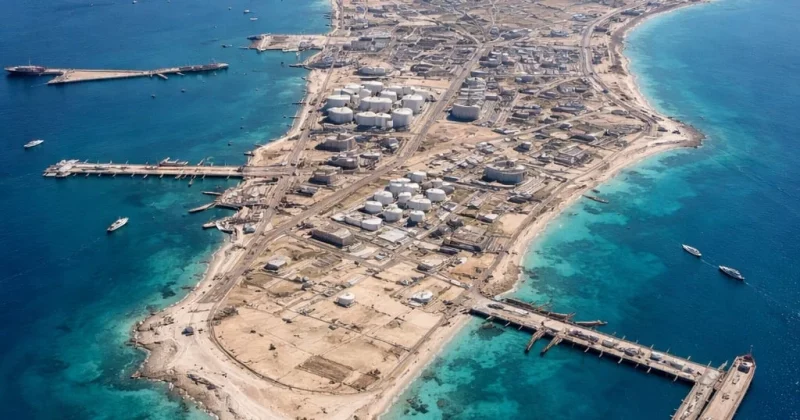
Iran’s main oil export terminal, Kharg Island, has gone dark. For the first time since regional conflict escalated, seaborne crude shipments from the facility have ground to a prolonged halt, with satellite imagery showing no tankers loading for multiple consecutive days.

The stoppage isn’t a technical glitch or a scheduling gap. It’s the result of an intensified US naval blockade that has now prevented Iran from successfully exporting crude oil by sea for 28 straight days.

What Kharg Island means for Iran’s economy

Here’s the thing about Kharg Island: it handles nearly 90% of Iran’s oil exports. It’s not just important infrastructure. It is the infrastructure, the single chokepoint through which almost all of Iran’s crude reaches the global market.

Advertisement

Satellite images have confirmed what tracking data suggested: no oil tankers have been loading at the terminal for an extended stretch. That’s unprecedented in the context of the current war. Even during previous escalations, some level of export activity continued.

US officials have reportedly identified Kharg as a critical “pressure point” in their strategy to cripple Iran’s export capacity. The logic is straightforward. If you can’t ship oil out, storage tanks fill up. Once storage saturates, production has to shut down.

Reports also indicate that oil spills have disrupted loading activities around the island. Storage at the facility is reportedly nearing capacity, which means Iran is running out of room to stash the crude it can’t sell.

Global energy markets feel the pressure

The current blockade represents one of the most sustained interruptions to Iranian oil flows in recent memory. If the US continues its naval posture, and officials have signaled exactly that intention, the supply gap could widen further as Iran is forced to curtail actual production, not just exports.

What this means for crypto and risk assets

The 28-day export blackout at Kharg Island isn’t just an energy story. It’s a potential catalyst for shifting risk sentiment across multiple asset classes, with analysts observing rising tensions and potential spillovers into energy-linked digital assets.

Historical patterns suggest that sustained Gulf supply disruptions create stagflation risk — the scenario where prices rise but economic growth stalls. During previous periods of acute oil supply concern, Bitcoin has tended to trade more like a risk asset than a hedge, falling alongside equities rather than rallying with gold.

Crypto traders watching this situation should pay attention to two signals. First, whether oil futures begin pricing in a sustained supply deficit rather than a temporary disruption. Second, whether inflation expectations as measured by instruments like TIPS spreads start moving meaningfully higher.

Disclosure: This article was edited by Editorial Team. For more information on how we create and review content, see our Editorial Policy.
Advertisement

Iran’s Kharg Island oil shipments halt for first time since war began

Iran’s Kharg Island oil shipments halt for first time since war began

The US naval blockade has prevented Iranian crude exports for 28 consecutive days, threatening storage saturation and production shutdowns at the country's most critical oil terminal.

Iran’s main oil export terminal, Kharg Island, has gone dark. For the first time since regional conflict escalated, seaborne crude shipments from the facility have ground to a prolonged halt, with satellite imagery showing no tankers loading for multiple consecutive days.

The stoppage isn’t a technical glitch or a scheduling gap. It’s the result of an intensified US naval blockade that has now prevented Iran from successfully exporting crude oil by sea for 28 straight days.

What Kharg Island means for Iran’s economy

Here’s the thing about Kharg Island: it handles nearly 90% of Iran’s oil exports. It’s not just important infrastructure. It is the infrastructure, the single chokepoint through which almost all of Iran’s crude reaches the global market.

Advertisement

Satellite images have confirmed what tracking data suggested: no oil tankers have been loading at the terminal for an extended stretch. That’s unprecedented in the context of the current war. Even during previous escalations, some level of export activity continued.

US officials have reportedly identified Kharg as a critical “pressure point” in their strategy to cripple Iran’s export capacity. The logic is straightforward. If you can’t ship oil out, storage tanks fill up. Once storage saturates, production has to shut down.

Reports also indicate that oil spills have disrupted loading activities around the island. Storage at the facility is reportedly nearing capacity, which means Iran is running out of room to stash the crude it can’t sell.

Global energy markets feel the pressure

The current blockade represents one of the most sustained interruptions to Iranian oil flows in recent memory. If the US continues its naval posture, and officials have signaled exactly that intention, the supply gap could widen further as Iran is forced to curtail actual production, not just exports.

What this means for crypto and risk assets

The 28-day export blackout at Kharg Island isn’t just an energy story. It’s a potential catalyst for shifting risk sentiment across multiple asset classes, with analysts observing rising tensions and potential spillovers into energy-linked digital assets.

Historical patterns suggest that sustained Gulf supply disruptions create stagflation risk — the scenario where prices rise but economic growth stalls. During previous periods of acute oil supply concern, Bitcoin has tended to trade more like a risk asset than a hedge, falling alongside equities rather than rallying with gold.

Crypto traders watching this situation should pay attention to two signals. First, whether oil futures begin pricing in a sustained supply deficit rather than a temporary disruption. Second, whether inflation expectations as measured by instruments like TIPS spreads start moving meaningfully higher.

Disclosure: This article was edited by Editorial Team. For more information on how we create and review content, see our Editorial Policy.
Advertisement