
Iranian Navy base in Konarak attacked as crypto markets react with sharp volatility

Iranian Navy base in Konarak attacked as crypto markets react with sharp volatility

Bitcoin whipsawed between $63K and $67K while Iranian crypto withdrawals reportedly surged 700% following coordinated strikes on naval assets in the Gulf of Oman.

Iran’s official news agency confirmed that an Iranian Navy site in Konarak was attacked by what it described as an “enemy,” marking a significant escalation in regional military tensions that immediately rippled through cryptocurrency markets.

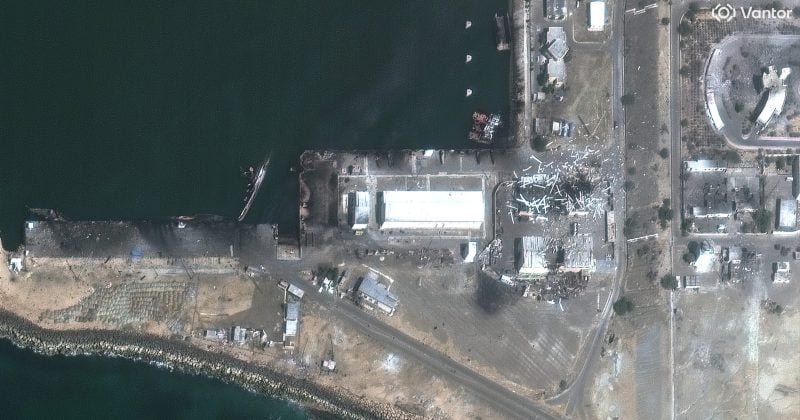
The strikes, which began on February 28, targeted Iranian naval assets in the Gulf of Oman as part of what has been referred to as Operation Epic Fury. Satellite imagery reportedly showed extensive damage, including fires and the sinking of at least three vessels, with up to six ships impacted overall. CENTCOM confirmed the destruction of Iranian naval assets during the coordinated US and Israeli military operations.

Crypto markets flinch, then bounce

Bitcoin’s price dropped to around $63,000 in the immediate aftermath of the strikes before rebounding to approximately $67,000. That’s roughly a 6% swing in a matter of hours.

Advertisement

Ethereum moved in the opposite direction from Bitcoin’s initial dip. ETH rose over 6% during the immediate aftermath, a divergence that suggests traders weren’t simply dumping risk assets across the board.

Iran’s crypto activity explodes

Reports indicate that domestic cryptocurrency withdrawals in Iran surged by 700% in the wake of the strikes. When your country’s military infrastructure is actively being targeted, moving value into a borderless, censorship-resistant asset starts looking less like speculation and more like survival planning.

Iran has long been a meaningful player in global Bitcoin mining, thanks to its low-cost energy resources, particularly subsidized electricity and natural gas. The country has maintained a complicated relationship with crypto, oscillating between outright bans on trading and tacit encouragement of mining operations that bring in hard currency.

A 700% spike in withdrawals suggests that Iranians aren’t just mining and holding anymore. They’re actively moving assets off exchanges and into self-custody, or potentially converting to stablecoins that can be transferred internationally.

The bigger picture for investors

Iran’s role in the global mining ecosystem could become a pressure point. If military operations continue to target Iranian infrastructure, disruptions to the country’s power grid could take mining capacity offline. Iran has historically represented a notable share of global Bitcoin hashrate, and any significant reduction could temporarily affect network dynamics.

A surge in Iranian crypto activity during wartime raises obvious questions about sanctions enforcement. The US Treasury’s Office of Foreign Assets Control has been increasingly aggressive about targeting crypto wallets associated with sanctioned nations. A 700% increase in withdrawal activity is exactly the kind of signal that triggers enhanced scrutiny across exchanges.

Further escalation in the Gulf of Oman could disrupt oil shipping routes, spike energy prices, and send inflationary pressures rippling through global economies.

Disclosure: This article was edited by Editorial Team. For more information on how we create and review content, see our Editorial Policy.

Iranian Navy base in Konarak attacked as crypto markets react with sharp volatility

Iranian Navy base in Konarak attacked as crypto markets react with sharp volatility

Bitcoin whipsawed between $63K and $67K while Iranian crypto withdrawals reportedly surged 700% following coordinated strikes on naval assets in the Gulf of Oman.

Iran’s official news agency confirmed that an Iranian Navy site in Konarak was attacked by what it described as an “enemy,” marking a significant escalation in regional military tensions that immediately rippled through cryptocurrency markets.

The strikes, which began on February 28, targeted Iranian naval assets in the Gulf of Oman as part of what has been referred to as Operation Epic Fury. Satellite imagery reportedly showed extensive damage, including fires and the sinking of at least three vessels, with up to six ships impacted overall. CENTCOM confirmed the destruction of Iranian naval assets during the coordinated US and Israeli military operations.

Crypto markets flinch, then bounce

Bitcoin’s price dropped to around $63,000 in the immediate aftermath of the strikes before rebounding to approximately $67,000. That’s roughly a 6% swing in a matter of hours.

Advertisement

Ethereum moved in the opposite direction from Bitcoin’s initial dip. ETH rose over 6% during the immediate aftermath, a divergence that suggests traders weren’t simply dumping risk assets across the board.

Iran’s crypto activity explodes

Reports indicate that domestic cryptocurrency withdrawals in Iran surged by 700% in the wake of the strikes. When your country’s military infrastructure is actively being targeted, moving value into a borderless, censorship-resistant asset starts looking less like speculation and more like survival planning.

Iran has long been a meaningful player in global Bitcoin mining, thanks to its low-cost energy resources, particularly subsidized electricity and natural gas. The country has maintained a complicated relationship with crypto, oscillating between outright bans on trading and tacit encouragement of mining operations that bring in hard currency.

A 700% spike in withdrawals suggests that Iranians aren’t just mining and holding anymore. They’re actively moving assets off exchanges and into self-custody, or potentially converting to stablecoins that can be transferred internationally.

The bigger picture for investors

Iran’s role in the global mining ecosystem could become a pressure point. If military operations continue to target Iranian infrastructure, disruptions to the country’s power grid could take mining capacity offline. Iran has historically represented a notable share of global Bitcoin hashrate, and any significant reduction could temporarily affect network dynamics.

A surge in Iranian crypto activity during wartime raises obvious questions about sanctions enforcement. The US Treasury’s Office of Foreign Assets Control has been increasingly aggressive about targeting crypto wallets associated with sanctioned nations. A 700% increase in withdrawal activity is exactly the kind of signal that triggers enhanced scrutiny across exchanges.

Further escalation in the Gulf of Oman could disrupt oil shipping routes, spike energy prices, and send inflationary pressures rippling through global economies.

Disclosure: This article was edited by Editorial Team. For more information on how we create and review content, see our Editorial Policy.