
Iran signals willingness to negotiate enrichment and stockpile limits in next phase of talks
Deputy foreign minister Takht-Ravanchi says Tehran is open to discussing uranium stockpile dilution, but zero enrichment remains off the table.
Iran just cracked the door open on one of the most sensitive topics in international diplomacy. Deputy Foreign Minister Majid Takht-Ravanchi told the BBC that Tehran is prepared to put its uranium enrichment program and stockpile on the negotiating table in the next phase of talks with the United States.
What Iran is actually offering
Takht-Ravanchi’s comments were carefully calibrated. He confirmed that Iran holds over 400 kg of uranium enriched to 60%, a figure that puts the country uncomfortably close to weapons-grade material in the eyes of Western governments.
Dilution of that stockpile is now on the table as a potential concession. In plain terms: Iran could blend down its high-enriched uranium to lower concentrations, effectively walking back its nuclear progress in exchange for sanctions relief.
“If they are ready to talk about sanctions, we are ready to discuss this and other issues related to our nuclear program.”
Takht-Ravanchi was equally clear about what is not on the table. Complete zero enrichment remains a non-starter for Tehran.
The negotiation landscape
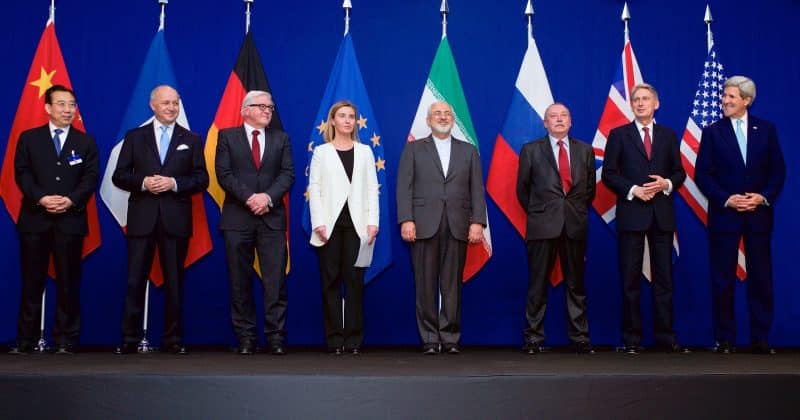
These discussions are part of a broader US-Iran negotiation cycle that has been unfolding across 2025 and 2026. Key figures include Iran’s Abbas Araghchi and US envoys Steve Witkoff and Jared Kushner. The current framework reportedly includes a proposed 60-day window for hashing out nuclear details following a ceasefire arrangement.
The original JCPOA in 2015 limited Iran’s enrichment to 3.67% and required the country to ship out most of its enriched uranium. That deal fell apart after the US withdrew, and Iran subsequently ramped up enrichment far beyond those limits. The 400 kg stockpile at 60% enrichment is a direct consequence of that collapse.
Why crypto traders should care
When progress is reported, risk assets rally. Bitcoin prices have risen during periods of de-escalation hope, often moving in tandem with declining oil prices as the threat of supply disruption eases. When talks stall or tensions spike, the reverse happens.
The mechanism is straightforward. Iran nuclear talks influence oil price expectations. Oil prices influence inflation expectations. Inflation expectations influence monetary policy outlook. And monetary policy outlook moves every risk asset on the planet, including Bitcoin and Ethereum.
For investors watching these developments, the key variable isn’t whether a deal gets done. A 60-day negotiation window means 60 days of headlines that could move Bitcoin in either direction, depending on whether the news suggests progress or stalemate.