
Iran exports 50 million barrels of oil after US blockade lifted, and crypto feels the ripple

Iran exports 50 million barrels of oil after US blockade lifted, and crypto feels the ripple

The resumption of Iranian crude shipments is reshaping both oil markets and the case for crypto in energy trade

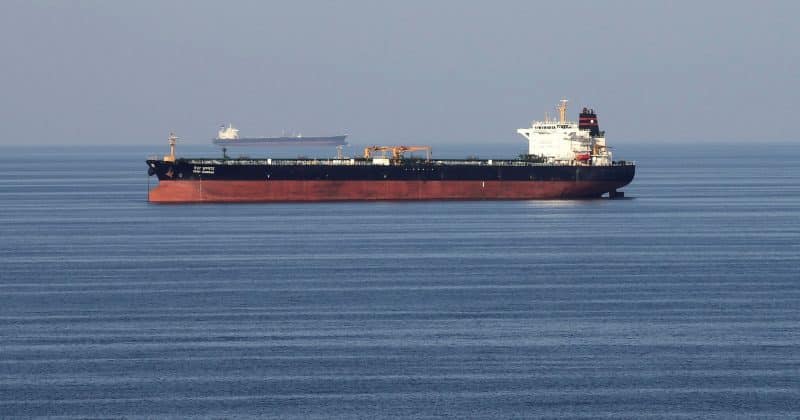
Iran has shipped roughly 50 million barrels of crude oil since the US lifted its naval blockade on Iranian ports about two weeks ago, according to maritime intelligence firm TankerTrackers, as cited by Iranian news agency Tasnim.

That works out to an average of 1.66 million barrels per day for June 2026. Iranian exports had fallen to effectively zero during the two-month blockade that began in March amid escalating US-Iran tensions.

How the blockade ended

The thaw came via a memorandum of understanding signed on June 17 between the US and Iran. The deal ended active hostilities and, critically, included a temporary US Treasury General License permitting Iranian oil sales through August 21, 2026.

Advertisement

That license means buyers can now make dollar-denominated payments for Iranian crude without running afoul of sanctions, at least for the next two months. The blockade was formally lifted around June 18, and tankers started moving almost immediately.

Oil prices fell 4-5% following the de-escalation news, as markets priced in the return of Iranian barrels to a global market that had tightened during the blockade.

The crypto angle

With legal dollar-based payments now available for Iranian crude purchases, the urgent need for crypto as a sanctions workaround diminishes. Bitcoin saw a modest increase of roughly 2% amid the broader de-escalation rally.

Iran had floated a proposal to impose a $1-per-barrel transit toll on oil shipments passing through the Strait of Hormuz, payable in Bitcoin or stablecoins. The Strait handles roughly 20% of the world’s oil supply on any given day. A single Very Large Crude Carrier holds about 2 million barrels, meaning a $2 million crypto transaction per ship under that toll structure.

What this means for investors

The August 21 expiration date on the Treasury license is a ticking clock. If the license lapses without renewal, Iran’s exports could plummet again, oil prices would spike, and the demand for crypto as an alternative payment rail would return.

Iran’s Strait of Hormuz toll proposal, if ever enacted, would represent one of the first instances of a sovereign government mandating cryptocurrency payments for a real-world commodity transit fee, embedding digital assets into the physical infrastructure of global energy trade.

Disclosure: This article was edited by Editorial Team. For more information on how we create and review content, see our Editorial Policy.

Iran exports 50 million barrels of oil after US blockade lifted, and crypto feels the ripple

Iran exports 50 million barrels of oil after US blockade lifted, and crypto feels the ripple

The resumption of Iranian crude shipments is reshaping both oil markets and the case for crypto in energy trade

Iran has shipped roughly 50 million barrels of crude oil since the US lifted its naval blockade on Iranian ports about two weeks ago, according to maritime intelligence firm TankerTrackers, as cited by Iranian news agency Tasnim.

That works out to an average of 1.66 million barrels per day for June 2026. Iranian exports had fallen to effectively zero during the two-month blockade that began in March amid escalating US-Iran tensions.

How the blockade ended

The thaw came via a memorandum of understanding signed on June 17 between the US and Iran. The deal ended active hostilities and, critically, included a temporary US Treasury General License permitting Iranian oil sales through August 21, 2026.

Advertisement

That license means buyers can now make dollar-denominated payments for Iranian crude without running afoul of sanctions, at least for the next two months. The blockade was formally lifted around June 18, and tankers started moving almost immediately.

Oil prices fell 4-5% following the de-escalation news, as markets priced in the return of Iranian barrels to a global market that had tightened during the blockade.

The crypto angle

With legal dollar-based payments now available for Iranian crude purchases, the urgent need for crypto as a sanctions workaround diminishes. Bitcoin saw a modest increase of roughly 2% amid the broader de-escalation rally.

Iran had floated a proposal to impose a $1-per-barrel transit toll on oil shipments passing through the Strait of Hormuz, payable in Bitcoin or stablecoins. The Strait handles roughly 20% of the world’s oil supply on any given day. A single Very Large Crude Carrier holds about 2 million barrels, meaning a $2 million crypto transaction per ship under that toll structure.

What this means for investors

The August 21 expiration date on the Treasury license is a ticking clock. If the license lapses without renewal, Iran’s exports could plummet again, oil prices would spike, and the demand for crypto as an alternative payment rail would return.

Iran’s Strait of Hormuz toll proposal, if ever enacted, would represent one of the first instances of a sovereign government mandating cryptocurrency payments for a real-world commodity transit fee, embedding digital assets into the physical infrastructure of global energy trade.

Disclosure: This article was edited by Editorial Team. For more information on how we create and review content, see our Editorial Policy.