
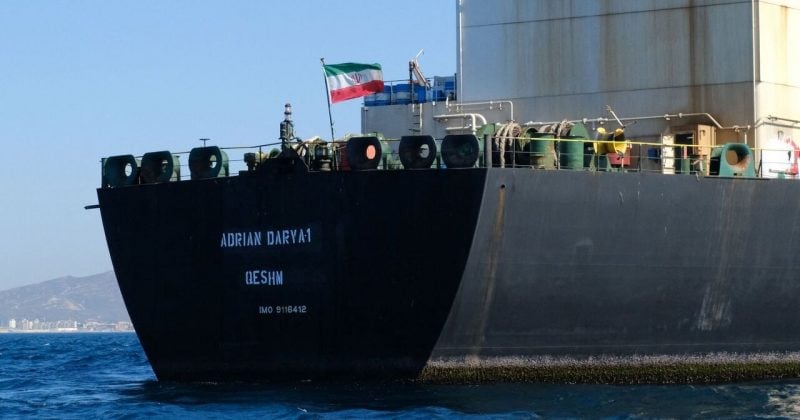
Iran exports 80M barrels of oil worth $6B before US blockade, with crypto playing a key role in sanctions evasion
Iran's oil windfall highlights how state actors are increasingly weaponizing digital assets to sidestep traditional financial restrictions
Iran managed to ship over 80 million barrels of oil and refined products worth approximately $6 billion during a temporary window before the US reimposed its naval blockade.
The US naval blockade on Iranian ports began on April 13, 2026, targeting Iran’s ability to monetize its energy reserves through the strategically vital Strait of Hormuz.
The Bitcoin toll booth in the Strait of Hormuz
Iran has been charging oil tankers $1 per barrel in Bitcoin, stablecoins, or yuan for safe passage through the Strait of Hormuz since at least April 2026. The Strait carries roughly 20% of the world’s oil supply.
Iran’s Bitcoin mining operations add another layer to this strategy. The country has effectively been converting surplus energy into exportable digital value, with mining operations enabling the equivalent of roughly 10 million barrels per year in energy exports.
Macro, rates, and crypto—what moved markets and what matters next.
Daily. Free. Join 34,000+ readers across crypto, finance, and policy.
OFAC strikes back at Iran’s digital asset infrastructure
On June 2, 2026, OFAC sanctioned Nobitex and three other Iranian digital asset exchanges for supporting the Islamic Revolutionary Guard Corps and Iran’s central bank in sanctions evasion efforts.
Nobitex handled over 50% of Iran’s digital asset inflows in 2025, making it the backbone of Iran’s crypto-based financial workarounds.
What this means for crypto markets and investors
Exchanges are the most exposed. If Nobitex handled more than half of Iran’s crypto inflows, the question regulators will ask is simple: what other exchanges were handling the rest? Any platform with even indirect exposure to Iranian transactions could face enhanced scrutiny, compliance costs, or worse.