
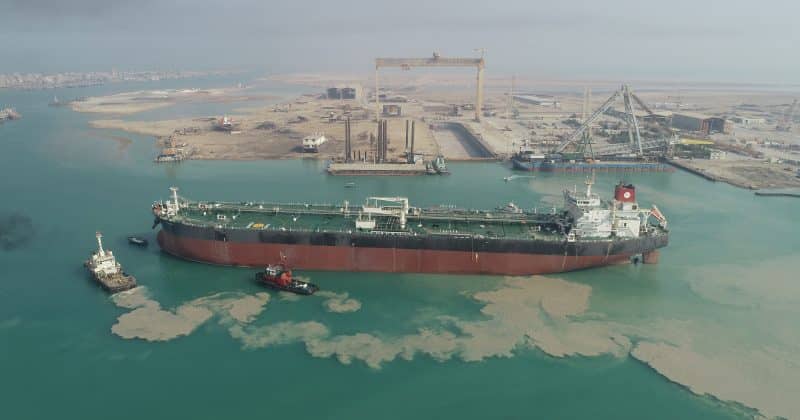
Iran reopens oil supply as US sanctions waiver reportedly granted
Oil prices dropped 5% after the Strait of Hormuz reopened and Iranian crude resumed flowing, with crypto implications lurking beneath the surface
The Strait of Hormuz is open for business again. A preliminary agreement between the US and Iran has lifted a months-long blockade of the world’s most important oil chokepoint, sending crude prices tumbling 5% to three-month lows.
The deal, reached around June 14-15, includes a 60-day ceasefire extension and a temporary waiver on US oil sanctions against Iran. Roughly 20% of the world’s seaborne oil passes through the Strait of Hormuz on any given day.
From blockade to barrel flow
Iran had effectively sealed the Strait of Hormuz starting March 4, 2026, a retaliatory move following months of escalating US-Israeli military action against Iran that began in February. Iranian oil exports collapsed to near zero, and insurance premiums spiked.
The temporary sanctions waiver means Iranian crude can re-enter global markets, at least for the next 60 days. The deal also encompasses ongoing discussions about nuclear limitations and broader sanctions relief.
The Bitcoin angle no one expected
In April 2026, Iran reportedly considered implementing Bitcoin-denominated fees for oil tankers transiting the Strait of Hormuz, roughly $1 per barrel.
US authorities sanctioned Iranian crypto exchange Nobitex in early June 2026 over alleged links to sanctions evasion.