
Nexo Earn with Nexo
Iran and Oman negotiate permanent toll system for Strait of Hormuz, raising energy price and inflation concerns

Iran and Oman negotiate permanent toll system for Strait of Hormuz, raising energy price and inflation concerns

A proposed permanent toll on one of the world's most critical oil chokepoints could ripple through commodity markets and reinforce crypto's inflation-hedge narrative.

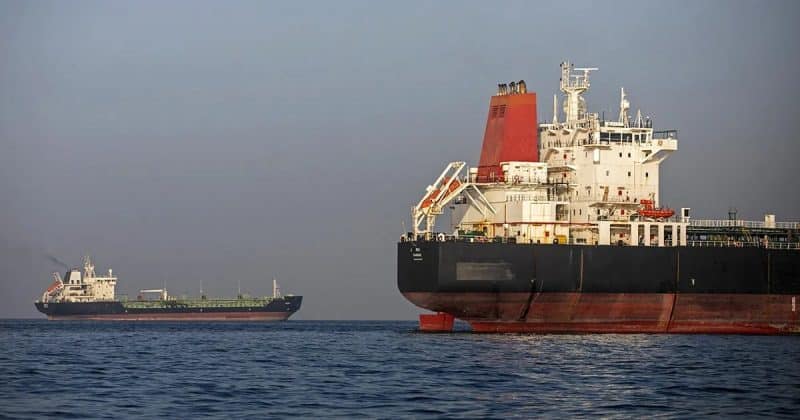
Iran and Oman are in active discussions to impose a permanent toll on ships passing through the Strait of Hormuz, the narrow waterway through which roughly a fifth of the world’s daily oil supply flows. Iranian Ambassador to France Mohammad Amin-Nejad disclosed the negotiations in a Bloomberg interview on May 21, 2026.

If that sounds like putting a turnpike booth on the ocean’s most important highway, that’s essentially what it is. And the potential consequences for energy prices, inflation, and risk assets, including crypto, are significant.

What the toll system would look like

The proposal envisions a transparent, cost-sharing model where vessels transiting the strait would pay fees ostensibly tied to maritime security services and traffic management. Think of it as a HOA fee for the world’s busiest oil corridor, except participation wouldn’t be optional.

This isn’t entirely new territory. Earlier in 2026, temporary toll arrangements were enacted during regional conflicts in the area. Those fees reportedly peaked at $2 million per vessel transit, or roughly $1 per barrel of oil passing through.

The permanent version would institutionalize that arrangement under what’s been tentatively called the Persian Gulf Strait Authority. The Strait of Hormuz sits between Iran to the north and Oman to the south, giving both nations jurisdictional claims over the waterway.

Here’s the thing: Oman hasn’t publicly confirmed its involvement in these latest discussions. The sultanate has historically played mediator in regional tensions rather than provocateur, so its posture on formalizing a toll regime remains an open question.

Advertisement

US President Donald Trump has voiced strong opposition to any tolls on the internationally recognized waterway, adding a layer of geopolitical friction to an already tense situation.

Why this matters for energy and commodity markets

The Strait of Hormuz is not just important. It is irreplaceable. There is no alternative route that can handle the same volume of oil tanker traffic at comparable cost and speed. Any friction added to transit through this chokepoint gets priced into every barrel that passes through it.

If the temporary toll rates serve as any guide, a permanent $1-per-barrel surcharge applied consistently would represent a structural cost increase baked into global oil benchmarks. That’s not catastrophic on its own, but it compounds existing supply-chain pressures and adds a new variable that traders have to price in perpetuity.

The knock-on effects are straightforward. Higher shipping costs feed into higher energy costs. Higher energy costs feed into broader inflation. Broader inflation feeds into central bank policy decisions that affect every asset class on the planet.

For context, even the temporary tolls during earlier 2026 conflicts contributed to elevated oil prices. Making those tolls permanent would remove any expectation that the surcharge is transitory, which is exactly the kind of word central bankers hate using about inflation.

The crypto angle: inflation hedges and blockchain infrastructure

Look, nobody is buying Bitcoin specifically because Iran wants to charge tolls on oil tankers. But the macro environment that a permanent Hormuz toll would reinforce is precisely the kind of backdrop that has historically pushed capital toward inflation-resistant assets.

Bitcoin and other major cryptocurrencies have increasingly been positioned in institutional portfolios as hedges against supply-chain disruptions and persistent inflation. A new, permanent cost layer on global oil transport fits squarely into that thesis.

The mechanism is indirect but real. Sustained higher energy prices erode purchasing power of fiat currencies. That erosion makes fixed-supply assets like Bitcoin relatively more attractive as stores of value. It’s the same logic that drove interest in gold during the 1970s oil shocks, updated for the digital era.

There’s also a more speculative dimension. The proposed Persian Gulf Strait Authority would need a transparent fee collection and processing system. Blockchain-based trade finance solutions could theoretically serve that function, offering immutable record-keeping and automated settlement for toll payments. No specific tokens or projects have been tied to the discussions, but the use case aligns with what several enterprise blockchain platforms have been building toward for years.

For crypto investors, the primary signal here is macro, not project-specific. A permanent toll on the Strait of Hormuz would represent a structural shift in global trade costs, the kind of slow-moving but persistent inflationary pressure that strengthens the case for portfolio diversification into digital assets.

The wildcard is geopolitical escalation. Trump’s vocal opposition to the tolls raises the possibility of retaliatory measures, whether through sanctions, naval posturing, or diplomatic pressure on Oman. Any escalation around the strait tends to spike volatility across all markets, and crypto has historically experienced sharp but short-lived sell-offs during acute geopolitical crises before recovering as capital seeks safety outside traditional finance rails.

What investors should watch is whether Oman publicly endorses the framework and whether any institutional structure actually materializes. The gap between diplomatic discussions and a functioning toll authority is enormous. But the fact that temporary tolls already reached $2 million per transit earlier this year suggests the infrastructure and willingness are already partially in place. The question is no longer whether Iran wants to monetize the strait. It’s whether anyone can stop it from doing so.

Disclosure: This article was edited by Editorial Team. For more information on how we create and review content, see our Editorial Policy.

Iran and Oman negotiate permanent toll system for Strait of Hormuz, raising energy price and inflation concerns

Iran and Oman negotiate permanent toll system for Strait of Hormuz, raising energy price and inflation concerns

A proposed permanent toll on one of the world's most critical oil chokepoints could ripple through commodity markets and reinforce crypto's inflation-hedge narrative.

Iran and Oman are in active discussions to impose a permanent toll on ships passing through the Strait of Hormuz, the narrow waterway through which roughly a fifth of the world’s daily oil supply flows. Iranian Ambassador to France Mohammad Amin-Nejad disclosed the negotiations in a Bloomberg interview on May 21, 2026.

If that sounds like putting a turnpike booth on the ocean’s most important highway, that’s essentially what it is. And the potential consequences for energy prices, inflation, and risk assets, including crypto, are significant.

What the toll system would look like

The proposal envisions a transparent, cost-sharing model where vessels transiting the strait would pay fees ostensibly tied to maritime security services and traffic management. Think of it as a HOA fee for the world’s busiest oil corridor, except participation wouldn’t be optional.

This isn’t entirely new territory. Earlier in 2026, temporary toll arrangements were enacted during regional conflicts in the area. Those fees reportedly peaked at $2 million per vessel transit, or roughly $1 per barrel of oil passing through.

The permanent version would institutionalize that arrangement under what’s been tentatively called the Persian Gulf Strait Authority. The Strait of Hormuz sits between Iran to the north and Oman to the south, giving both nations jurisdictional claims over the waterway.

Here’s the thing: Oman hasn’t publicly confirmed its involvement in these latest discussions. The sultanate has historically played mediator in regional tensions rather than provocateur, so its posture on formalizing a toll regime remains an open question.

Advertisement

US President Donald Trump has voiced strong opposition to any tolls on the internationally recognized waterway, adding a layer of geopolitical friction to an already tense situation.

Why this matters for energy and commodity markets

The Strait of Hormuz is not just important. It is irreplaceable. There is no alternative route that can handle the same volume of oil tanker traffic at comparable cost and speed. Any friction added to transit through this chokepoint gets priced into every barrel that passes through it.

If the temporary toll rates serve as any guide, a permanent $1-per-barrel surcharge applied consistently would represent a structural cost increase baked into global oil benchmarks. That’s not catastrophic on its own, but it compounds existing supply-chain pressures and adds a new variable that traders have to price in perpetuity.

The knock-on effects are straightforward. Higher shipping costs feed into higher energy costs. Higher energy costs feed into broader inflation. Broader inflation feeds into central bank policy decisions that affect every asset class on the planet.

For context, even the temporary tolls during earlier 2026 conflicts contributed to elevated oil prices. Making those tolls permanent would remove any expectation that the surcharge is transitory, which is exactly the kind of word central bankers hate using about inflation.

The crypto angle: inflation hedges and blockchain infrastructure

Look, nobody is buying Bitcoin specifically because Iran wants to charge tolls on oil tankers. But the macro environment that a permanent Hormuz toll would reinforce is precisely the kind of backdrop that has historically pushed capital toward inflation-resistant assets.

Bitcoin and other major cryptocurrencies have increasingly been positioned in institutional portfolios as hedges against supply-chain disruptions and persistent inflation. A new, permanent cost layer on global oil transport fits squarely into that thesis.

The mechanism is indirect but real. Sustained higher energy prices erode purchasing power of fiat currencies. That erosion makes fixed-supply assets like Bitcoin relatively more attractive as stores of value. It’s the same logic that drove interest in gold during the 1970s oil shocks, updated for the digital era.

There’s also a more speculative dimension. The proposed Persian Gulf Strait Authority would need a transparent fee collection and processing system. Blockchain-based trade finance solutions could theoretically serve that function, offering immutable record-keeping and automated settlement for toll payments. No specific tokens or projects have been tied to the discussions, but the use case aligns with what several enterprise blockchain platforms have been building toward for years.

For crypto investors, the primary signal here is macro, not project-specific. A permanent toll on the Strait of Hormuz would represent a structural shift in global trade costs, the kind of slow-moving but persistent inflationary pressure that strengthens the case for portfolio diversification into digital assets.

The wildcard is geopolitical escalation. Trump’s vocal opposition to the tolls raises the possibility of retaliatory measures, whether through sanctions, naval posturing, or diplomatic pressure on Oman. Any escalation around the strait tends to spike volatility across all markets, and crypto has historically experienced sharp but short-lived sell-offs during acute geopolitical crises before recovering as capital seeks safety outside traditional finance rails.

What investors should watch is whether Oman publicly endorses the framework and whether any institutional structure actually materializes. The gap between diplomatic discussions and a functioning toll authority is enormous. But the fact that temporary tolls already reached $2 million per transit earlier this year suggests the infrastructure and willingness are already partially in place. The question is no longer whether Iran wants to monetize the strait. It’s whether anyone can stop it from doing so.

Disclosure: This article was edited by Editorial Team. For more information on how we create and review content, see our Editorial Policy.