
Nexo Earn with Nexo
Iran plans Strait of Hormuz blockade amid rising regional tensions

Iran plans Strait of Hormuz blockade amid rising regional tensions

Iran Military Action Against Neighbors

## Market Snapshot

In the “Iran Military Action Against Neighbors” market, pricing suggests a rise in likelihood, with no recent volume reported. The “Strait of Hormuz Traffic Normal by July 31” market shows a decrease to 45.5% YES, down from 46% 24 hours ago. The “Israel-Iran Permanent Peace Deal” market is down to 6.4% YES for the June 30, 2026 sub-market.

## Key Takeaways

– Saudi Arabia’s condemnation of Israel’s actions appears to align with regional tensions, suggesting increased likelihood of Iranian military actions against neighbors. – The planned blockade of the Strait of Hormuz by Iran could indicate a significant escalation, as reflected in the decreased probability of normal traffic by July 31. – This development appears to reduce the likelihood of a permanent peace deal between Israel and Iran, with further regional instability expected.

Advertisement

## Article Body

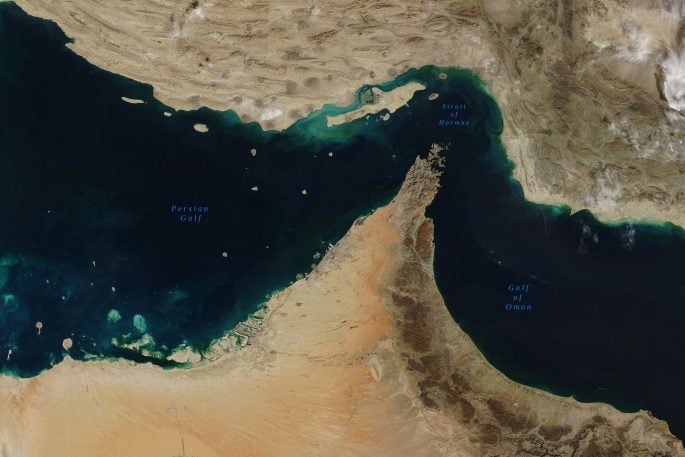
Saudi Arabia has condemned Israel’s military actions against Lebanon, as reported by the Saudi Press Agency (SPA). This statement comes amid heightened tensions in the Middle East, with Iran’s resistance front announcing plans to block the Strait of Hormuz and activate other fronts, potentially widening the regional conflict. The Strait of Hormuz is a critical chokepoint for global oil shipments, and any disruption could have significant global economic repercussions. The Saudi condemnation fits a broader pattern of Arab diplomatic efforts to defend Lebanon’s sovereignty and call for a cessation of Israeli military operations.

## Market Interpretation

The news is consistent with a scenario where Iran’s military actions against its neighbors become more likely, influencing the “Iran Military Action Against Neighbors” market. This development is categorized as having a moderate impact. Additionally, the threat to the Strait of Hormuz significantly lowers the probability of normalization by July 31, reflecting a high impact. The potential for further regional escalation also diminishes the prospects for an Israel-Iran peace deal, categorized as moderate impact.

## What to Watch

Observers should monitor any further diplomatic or military responses from key players such as Iran, Israel, Saudi Arabia, and the United States. The actions of the IRGC and any naval movements in the Strait of Hormuz will be crucial indicators. Developments in diplomatic negotiations or increased military build-up in the region could further influence market expectations. The response from international bodies, including the UN, will also be significant in assessing the potential for conflict escalation.

Get prediction market intelligence as a structured API feed. Early access waitlist.

Disclosure: This article was edited by Estefano Gomez. For more information on how we create and review content, see our Editorial Policy.

Iran plans Strait of Hormuz blockade amid rising regional tensions

Iran plans Strait of Hormuz blockade amid rising regional tensions

Iran Military Action Against Neighbors

## Market Snapshot

In the “Iran Military Action Against Neighbors” market, pricing suggests a rise in likelihood, with no recent volume reported. The “Strait of Hormuz Traffic Normal by July 31” market shows a decrease to 45.5% YES, down from 46% 24 hours ago. The “Israel-Iran Permanent Peace Deal” market is down to 6.4% YES for the June 30, 2026 sub-market.

## Key Takeaways

– Saudi Arabia’s condemnation of Israel’s actions appears to align with regional tensions, suggesting increased likelihood of Iranian military actions against neighbors. – The planned blockade of the Strait of Hormuz by Iran could indicate a significant escalation, as reflected in the decreased probability of normal traffic by July 31. – This development appears to reduce the likelihood of a permanent peace deal between Israel and Iran, with further regional instability expected.

Advertisement

## Article Body

Saudi Arabia has condemned Israel’s military actions against Lebanon, as reported by the Saudi Press Agency (SPA). This statement comes amid heightened tensions in the Middle East, with Iran’s resistance front announcing plans to block the Strait of Hormuz and activate other fronts, potentially widening the regional conflict. The Strait of Hormuz is a critical chokepoint for global oil shipments, and any disruption could have significant global economic repercussions. The Saudi condemnation fits a broader pattern of Arab diplomatic efforts to defend Lebanon’s sovereignty and call for a cessation of Israeli military operations.

## Market Interpretation

The news is consistent with a scenario where Iran’s military actions against its neighbors become more likely, influencing the “Iran Military Action Against Neighbors” market. This development is categorized as having a moderate impact. Additionally, the threat to the Strait of Hormuz significantly lowers the probability of normalization by July 31, reflecting a high impact. The potential for further regional escalation also diminishes the prospects for an Israel-Iran peace deal, categorized as moderate impact.

## What to Watch

Observers should monitor any further diplomatic or military responses from key players such as Iran, Israel, Saudi Arabia, and the United States. The actions of the IRGC and any naval movements in the Strait of Hormuz will be crucial indicators. Developments in diplomatic negotiations or increased military build-up in the region could further influence market expectations. The response from international bodies, including the UN, will also be significant in assessing the potential for conflict escalation.

Get prediction market intelligence as a structured API feed. Early access waitlist.

Disclosure: This article was edited by Estefano Gomez. For more information on how we create and review content, see our Editorial Policy.