
Iran refuses to pay ‘enemy’ nations for ship passage amid Hormuz tensions

https://www.france24.com/en/middle-east/20260504-live-us-to-escort-ships-through-strait-of-hormuz-as-iran-warns-of-ceasefire-breach-trump

Iran refuses to pay ‘enemy’ nations for ship passage amid Hormuz tensions

US-Iran final nuclear deal

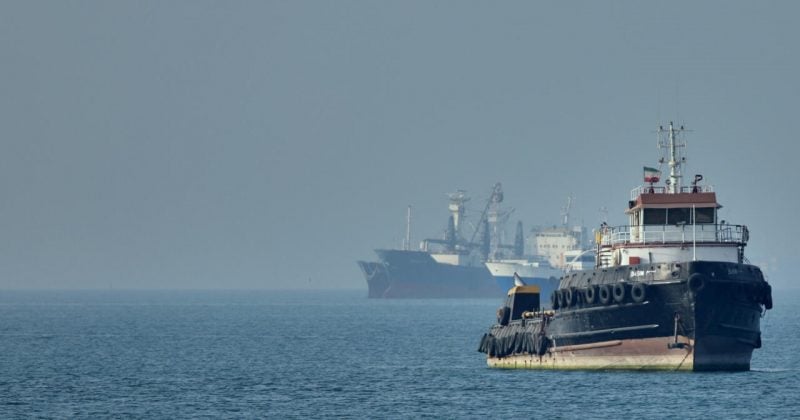
Iran has announced that it will not be coerced into paying what it terms “enemy” nations for the passage of ships, as reported by the Iranian state news agency IRNA. This statement comes amid heightened tensions in the Strait of Hormuz, where Iran has been asserting its control over maritime access amidst a conflict involving the U.S. and Israel. The ongoing situation has significantly reduced shipping traffic and driven up oil prices. Markets appear to interpret Iran’s latest assertion as an indication of its hardline stance, which could impact ongoing nuclear negotiations.

The statement has influenced the pricing in prediction markets regarding the likelihood of a final U.S.-Iran nuclear deal by the upcoming deadlines. Currently, the market pricing suggests a decreased probability of reaching such an agreement. The July 31, 2026, sub-market shows a mere 0.9% implied probability of a deal, reflecting continued skepticism. In contrast, longer-dated expectations see slight increases, but overall odds remain low, indicating persistent doubt about a resolution.

Advertisement

Iran’s refusal to ease its maritime policies and its firm approach in negotiations appear consistent with scenarios where a final nuclear deal remains elusive. The pricing in prediction markets reflects this sentiment, with market participants seemingly factoring in the potential for prolonged geopolitical tensions.

Key Takeaways

  • Iran’s declaration suggests a firm stance on maritime control, impacting negotiation dynamics.
  • Market pricing indicates low confidence in a U.S.-Iran nuclear deal by July 31, 2026, at 0.9% YES.
  • Longer-term odds see slight increases, but overall uncertainty about a nuclear agreement persists.

What to Watch

Observers should monitor any shifts in Iran’s policies regarding the Strait of Hormuz and potential responses from the U.S. or its allies. Statements from key figures, such as Iran’s Supreme Leader Khamenei or U.S. President Trump, could provide further clarity on negotiation prospects. Any developments related to Iran’s nuclear activities or new diplomatic engagements could influence market pricing and perceptions of a potential deal.

Get live prediction-market analysis, powered by Vera. Sign up for Vera.

Disclosure: This article was edited by Estefano Gomez. For more information on how we create and review content, see our Editorial Policy.

Iran refuses to pay ‘enemy’ nations for ship passage amid Hormuz tensions

Iran refuses to pay ‘enemy’ nations for ship passage amid Hormuz tensions

US-Iran final nuclear deal

https://www.france24.com/en/middle-east/20260504-live-us-to-escort-ships-through-strait-of-hormuz-as-iran-warns-of-ceasefire-breach-trump

Iran has announced that it will not be coerced into paying what it terms “enemy” nations for the passage of ships, as reported by the Iranian state news agency IRNA. This statement comes amid heightened tensions in the Strait of Hormuz, where Iran has been asserting its control over maritime access amidst a conflict involving the U.S. and Israel. The ongoing situation has significantly reduced shipping traffic and driven up oil prices. Markets appear to interpret Iran’s latest assertion as an indication of its hardline stance, which could impact ongoing nuclear negotiations.

The statement has influenced the pricing in prediction markets regarding the likelihood of a final U.S.-Iran nuclear deal by the upcoming deadlines. Currently, the market pricing suggests a decreased probability of reaching such an agreement. The July 31, 2026, sub-market shows a mere 0.9% implied probability of a deal, reflecting continued skepticism. In contrast, longer-dated expectations see slight increases, but overall odds remain low, indicating persistent doubt about a resolution.

Advertisement

Iran’s refusal to ease its maritime policies and its firm approach in negotiations appear consistent with scenarios where a final nuclear deal remains elusive. The pricing in prediction markets reflects this sentiment, with market participants seemingly factoring in the potential for prolonged geopolitical tensions.

Key Takeaways

  • Iran’s declaration suggests a firm stance on maritime control, impacting negotiation dynamics.
  • Market pricing indicates low confidence in a U.S.-Iran nuclear deal by July 31, 2026, at 0.9% YES.
  • Longer-term odds see slight increases, but overall uncertainty about a nuclear agreement persists.

What to Watch

Observers should monitor any shifts in Iran’s policies regarding the Strait of Hormuz and potential responses from the U.S. or its allies. Statements from key figures, such as Iran’s Supreme Leader Khamenei or U.S. President Trump, could provide further clarity on negotiation prospects. Any developments related to Iran’s nuclear activities or new diplomatic engagements could influence market pricing and perceptions of a potential deal.

Get live prediction-market analysis, powered by Vera. Sign up for Vera.

Disclosure: This article was edited by Estefano Gomez. For more information on how we create and review content, see our Editorial Policy.