
Nexo Earn with Nexo
Iran agrees to performance-based deal trading nuclear dismantlement for sanctions relief

Iran agrees to performance-based deal trading nuclear dismantlement for sanctions relief

The proposed framework ties sanctions waivers to verifiable Iranian actions, with ripple effects already hitting crypto markets as Bitcoin responds to geopolitical shifts.

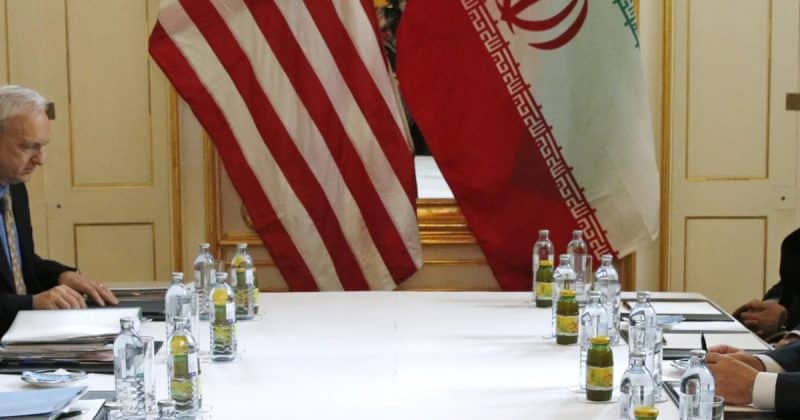
Iran has agreed to dismantle its nuclear program and halt funding for proxy groups before receiving any sanctions relief, marking a dramatic shift in the decades-long standoff between Tehran and Washington.

The framework, negotiated under President Trump’s administration, operates on a simple principle: performance first, relief second. Iran doesn’t get to sell oil freely or access the global financial system until it proves, with receipts, that it’s actually doing what it promised.

What’s on the table

The proposed deal requires Iran to surrender its stockpile of highly enriched uranium and suspend enrichment activities. Iran must also extend a ceasefire by 60 days, building on a two-week ceasefire established in April 2026 that was subsequently lengthened. The strategic Strait of Hormuz, a chokepoint through which roughly a fifth of the world’s oil supply passes, must be reopened as part of the arrangement.

Only after meeting these verifiable requirements would Iran receive targeted sanctions waivers. Not a blanket lifting of restrictions. Targeted waivers.

Advertisement

This “relief for performance” model stands in stark contrast to the 2015 JCPOA, the Obama-era nuclear deal that was formally terminated in October 2025. That agreement front-loaded sanctions relief, giving Iran access to billions before compliance could be fully verified.

Negotiations have been conducted indirectly, with Pakistan and Oman serving as intermediaries since early 2026. A draft memorandum of understanding may be in the works, though nothing has been finalized.

Reports suggest that discussions on Iran’s missile programs may be postponed, indicating that negotiators are prioritizing the nuclear and proxy-group dimensions of the deal.

The crypto connection

Iran has been one of the most prolific state-level users of cryptocurrency to dodge international sanctions, with the regime engaging in crypto activities exceeding $3 billion in 2025 alone.

Tehran has relied heavily on Bitcoin and Tether to facilitate oil trades, fund proxy organizations, and move money through channels that traditional banking sanctions were designed to block.

Bitcoin surged to over $82K, a three-month high, as markets reacted to reports of the potential US-Iran agreement. If sanctions are lifted and Iran can sell oil through legitimate channels again, the pressure to use crypto as a workaround diminishes. On the other hand, the reopening of trade routes and the normalization of Iranian oil exports could inject optimism into global markets to lift risk assets broadly, Bitcoin included.

What this means for investors

If the deal goes through and Iran reintegrates into the global economy, the country’s $3 billion-plus crypto operation could wind down significantly. That would remove a major source of non-market-driven demand for Bitcoin and stablecoins.

Tether has been a primary tool for Iranian sanctions evasion. If regulatory scrutiny increases as part of enforcing the deal’s terms, issuers could face pressure to implement more aggressive compliance measures, potentially accelerating the shift toward regulated stablecoin alternatives.

Iran has a long history of agreeing to terms and then finding creative ways to comply on paper while undermining the spirit of agreements. Verification mechanisms will be everything. If compliance turns out to be theater, the market whiplash could be severe, both in traditional energy markets and in crypto.

Disclosure: This article was edited by Editorial Team. For more information on how we create and review content, see our Editorial Policy.

Iran agrees to performance-based deal trading nuclear dismantlement for sanctions relief

Iran agrees to performance-based deal trading nuclear dismantlement for sanctions relief

The proposed framework ties sanctions waivers to verifiable Iranian actions, with ripple effects already hitting crypto markets as Bitcoin responds to geopolitical shifts.

Iran has agreed to dismantle its nuclear program and halt funding for proxy groups before receiving any sanctions relief, marking a dramatic shift in the decades-long standoff between Tehran and Washington.

The framework, negotiated under President Trump’s administration, operates on a simple principle: performance first, relief second. Iran doesn’t get to sell oil freely or access the global financial system until it proves, with receipts, that it’s actually doing what it promised.

What’s on the table

The proposed deal requires Iran to surrender its stockpile of highly enriched uranium and suspend enrichment activities. Iran must also extend a ceasefire by 60 days, building on a two-week ceasefire established in April 2026 that was subsequently lengthened. The strategic Strait of Hormuz, a chokepoint through which roughly a fifth of the world’s oil supply passes, must be reopened as part of the arrangement.

Only after meeting these verifiable requirements would Iran receive targeted sanctions waivers. Not a blanket lifting of restrictions. Targeted waivers.

Advertisement

This “relief for performance” model stands in stark contrast to the 2015 JCPOA, the Obama-era nuclear deal that was formally terminated in October 2025. That agreement front-loaded sanctions relief, giving Iran access to billions before compliance could be fully verified.

Negotiations have been conducted indirectly, with Pakistan and Oman serving as intermediaries since early 2026. A draft memorandum of understanding may be in the works, though nothing has been finalized.

Reports suggest that discussions on Iran’s missile programs may be postponed, indicating that negotiators are prioritizing the nuclear and proxy-group dimensions of the deal.

The crypto connection

Iran has been one of the most prolific state-level users of cryptocurrency to dodge international sanctions, with the regime engaging in crypto activities exceeding $3 billion in 2025 alone.

Tehran has relied heavily on Bitcoin and Tether to facilitate oil trades, fund proxy organizations, and move money through channels that traditional banking sanctions were designed to block.

Bitcoin surged to over $82K, a three-month high, as markets reacted to reports of the potential US-Iran agreement. If sanctions are lifted and Iran can sell oil through legitimate channels again, the pressure to use crypto as a workaround diminishes. On the other hand, the reopening of trade routes and the normalization of Iranian oil exports could inject optimism into global markets to lift risk assets broadly, Bitcoin included.

What this means for investors

If the deal goes through and Iran reintegrates into the global economy, the country’s $3 billion-plus crypto operation could wind down significantly. That would remove a major source of non-market-driven demand for Bitcoin and stablecoins.

Tether has been a primary tool for Iranian sanctions evasion. If regulatory scrutiny increases as part of enforcing the deal’s terms, issuers could face pressure to implement more aggressive compliance measures, potentially accelerating the shift toward regulated stablecoin alternatives.

Iran has a long history of agreeing to terms and then finding creative ways to comply on paper while undermining the spirit of agreements. Verification mechanisms will be everything. If compliance turns out to be theater, the market whiplash could be severe, both in traditional energy markets and in crypto.

Disclosure: This article was edited by Editorial Team. For more information on how we create and review content, see our Editorial Policy.