
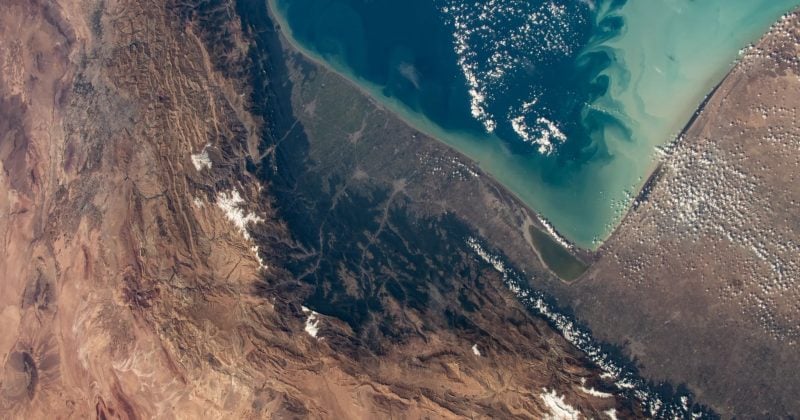
Iran’s southern coast resembles a war zone as US strikes escalate, and markets are watching

Iran’s southern coast resembles a war zone as US strikes escalate, and markets are watching

Heavy fighting has ravaged Iranian coastal military sites while Tehran residents remain oddly disconnected from the reality of war, raising questions about oil supply chains and risk-asset behavior.

US forces have struck roughly 140 targets along Iranian coastal military installations in a single operation, hitting sites near Bushehr, Asaluyeh, and Qeshm Island. Meanwhile, many residents in Tehran reportedly still don’t believe their country is actually at war.

What’s happening on the ground

The 2026 Iran war began on February 28, 2026, when coordinated US-Israeli airstrikes targeted Iranian missile and air defense facilities. A June 2026 memorandum of understanding attempted to end hostilities and resume normal commercial shipping through the Strait of Hormuz. Iran attacked at least three commercial ships on July 6-7, 2026, effectively disregarding the agreement. The US responded with the strike campaign targeting approximately 140 sites along Iran’s southern coast. Iran has since retaliated with missile and drone strikes against US-linked targets in Gulf states.

Advertisement

The Strait of Hormuz problem

Roughly one-fifth of global oil supply passes through the Strait of Hormuz on any given day. Iran’s decision to target commercial vessels in early July shredded the June MOU, which was specifically intended to normalize strait traffic and separate military operations from commercial shipping lanes.

What this means for crypto and risk assets

No specific crypto tokens have been directly tied to the conflict’s stakeholders. Geopolitical crises have historically triggered two competing impulses in crypto markets: a risk-off sell-off into cash or treasuries, or a flight to Bitcoin as a perceived store of value. Short, sharp escalations typically trigger sell-offs, while prolonged conflicts with inflationary consequences tend to favor Bitcoin’s store-of-value narrative.

Rising oil prices feed inflation, which complicates central bank rate-cut timelines, directly influencing risk-asset pricing including crypto. A sustained conflict keeping oil elevated could push back monetary easing timelines that many crypto investors have anticipated for the second half of 2026.

Disclosure: This article was edited by Editorial Team. For more information on how we create and review content, see our Editorial Policy.

Iran’s southern coast resembles a war zone as US strikes escalate, and markets are watching

Iran’s southern coast resembles a war zone as US strikes escalate, and markets are watching

Heavy fighting has ravaged Iranian coastal military sites while Tehran residents remain oddly disconnected from the reality of war, raising questions about oil supply chains and risk-asset behavior.

US forces have struck roughly 140 targets along Iranian coastal military installations in a single operation, hitting sites near Bushehr, Asaluyeh, and Qeshm Island. Meanwhile, many residents in Tehran reportedly still don’t believe their country is actually at war.

What’s happening on the ground

The 2026 Iran war began on February 28, 2026, when coordinated US-Israeli airstrikes targeted Iranian missile and air defense facilities. A June 2026 memorandum of understanding attempted to end hostilities and resume normal commercial shipping through the Strait of Hormuz. Iran attacked at least three commercial ships on July 6-7, 2026, effectively disregarding the agreement. The US responded with the strike campaign targeting approximately 140 sites along Iran’s southern coast. Iran has since retaliated with missile and drone strikes against US-linked targets in Gulf states.

Advertisement

The Strait of Hormuz problem

Roughly one-fifth of global oil supply passes through the Strait of Hormuz on any given day. Iran’s decision to target commercial vessels in early July shredded the June MOU, which was specifically intended to normalize strait traffic and separate military operations from commercial shipping lanes.

What this means for crypto and risk assets

No specific crypto tokens have been directly tied to the conflict’s stakeholders. Geopolitical crises have historically triggered two competing impulses in crypto markets: a risk-off sell-off into cash or treasuries, or a flight to Bitcoin as a perceived store of value. Short, sharp escalations typically trigger sell-offs, while prolonged conflicts with inflationary consequences tend to favor Bitcoin’s store-of-value narrative.

Rising oil prices feed inflation, which complicates central bank rate-cut timelines, directly influencing risk-asset pricing including crypto. A sustained conflict keeping oil elevated could push back monetary easing timelines that many crypto investors have anticipated for the second half of 2026.

Disclosure: This article was edited by Editorial Team. For more information on how we create and review content, see our Editorial Policy.