
Iran shuts Strait of Hormuz again, sharply reducing shipping traffic

Iran shuts Strait of Hormuz again, sharply reducing shipping traffic

Commercial transits through the world's most critical oil chokepoint have plummeted below 10% of normal volumes as the IRGC enforces a fresh closure

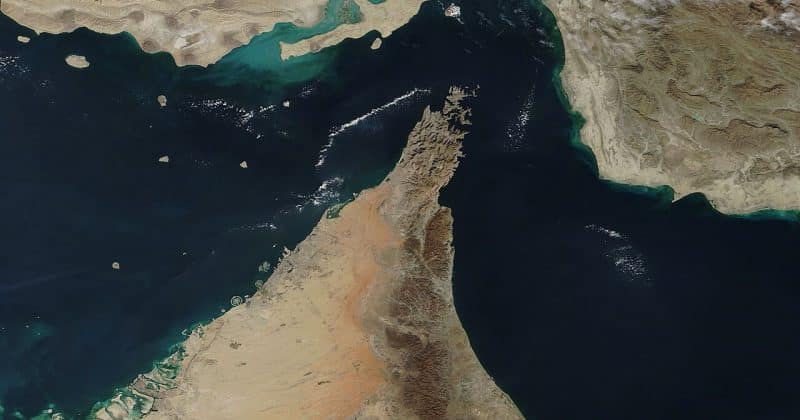
Iran’s Islamic Revolutionary Guard Corps closed the Strait of Hormuz on June 19-20, choking off the narrow waterway that carries roughly one-fifth of the world’s seaborne oil trade. Commercial shipping through the passage has collapsed, with transit volumes occasionally dipping below 10% of pre-conflict levels.

The closure was reportedly triggered by what Tehran called violations of a 60-day ceasefire due to Israeli attacks on southern Lebanon. It follows months of escalating hostilities that began with US and Israeli strikes on Iran on February 28, carried out in the aftermath of the assassination of Supreme Leader Ali Khamenei. His successor, Mojtaba Khamenei, took office on March 8, and the new leadership has shown no inclination to de-escalate.

Since the conflict’s opening phase in early March, shipping companies have been steadily pulling back from the region. Iranian warnings and direct threats to commercial vessels accelerated the retreat. While the US Navy says it continues to monitor traffic in the area, most commercial operators have simply stopped trying to pass through.

Advertisement

Tankers that would normally transit the Strait are either rerouting around the Cape of Good Hope, adding weeks and significant cost to their journeys, or sitting idle while their operators wait for clarity.

The crypto angle: tolls, scams, and sanctions evasion

During earlier ceasefire windows, Iran reportedly proposed collecting transit toll fees in cryptocurrencies. When you’re under heavy international sanctions and largely cut off from the traditional banking system, digital assets offer a workaround.

That proposal has already attracted bad actors. Reports have surfaced of scams involving fake guarantees of safe passage through the Strait in exchange for crypto payments. Shipping operators, desperate to move cargo through the chokepoint, have apparently been targeted by fraudsters posing as intermediaries with IRGC connections.

What this means for investors

The most direct market impact is on oil prices. A prolonged closure of the Strait of Hormuz constrains roughly 20% of the global seaborne oil supply.

Bitcoin and other major digital assets have shown increased volatility tied to the geopolitical developments in the region. Iran’s direct engagement with digital assets as a sanctions tool keeps the sector in the geopolitical spotlight.

If Iran’s crypto toll proposal gains visibility, it could invite regulatory scrutiny on digital asset platforms and increase compliance burdens for exchanges operating in jurisdictions sensitive to sanctions enforcement.

In past periods of geopolitical stress, capital has moved into dollar-denominated stablecoins as a hedge, particularly in regions with exposure to energy price volatility.

Disclosure: This article was edited by Editorial Team. For more information on how we create and review content, see our Editorial Policy.

Iran shuts Strait of Hormuz again, sharply reducing shipping traffic

Iran shuts Strait of Hormuz again, sharply reducing shipping traffic

Commercial transits through the world's most critical oil chokepoint have plummeted below 10% of normal volumes as the IRGC enforces a fresh closure

Iran’s Islamic Revolutionary Guard Corps closed the Strait of Hormuz on June 19-20, choking off the narrow waterway that carries roughly one-fifth of the world’s seaborne oil trade. Commercial shipping through the passage has collapsed, with transit volumes occasionally dipping below 10% of pre-conflict levels.

The closure was reportedly triggered by what Tehran called violations of a 60-day ceasefire due to Israeli attacks on southern Lebanon. It follows months of escalating hostilities that began with US and Israeli strikes on Iran on February 28, carried out in the aftermath of the assassination of Supreme Leader Ali Khamenei. His successor, Mojtaba Khamenei, took office on March 8, and the new leadership has shown no inclination to de-escalate.

Since the conflict’s opening phase in early March, shipping companies have been steadily pulling back from the region. Iranian warnings and direct threats to commercial vessels accelerated the retreat. While the US Navy says it continues to monitor traffic in the area, most commercial operators have simply stopped trying to pass through.

Advertisement

Tankers that would normally transit the Strait are either rerouting around the Cape of Good Hope, adding weeks and significant cost to their journeys, or sitting idle while their operators wait for clarity.

The crypto angle: tolls, scams, and sanctions evasion

During earlier ceasefire windows, Iran reportedly proposed collecting transit toll fees in cryptocurrencies. When you’re under heavy international sanctions and largely cut off from the traditional banking system, digital assets offer a workaround.

That proposal has already attracted bad actors. Reports have surfaced of scams involving fake guarantees of safe passage through the Strait in exchange for crypto payments. Shipping operators, desperate to move cargo through the chokepoint, have apparently been targeted by fraudsters posing as intermediaries with IRGC connections.

What this means for investors

The most direct market impact is on oil prices. A prolonged closure of the Strait of Hormuz constrains roughly 20% of the global seaborne oil supply.

Bitcoin and other major digital assets have shown increased volatility tied to the geopolitical developments in the region. Iran’s direct engagement with digital assets as a sanctions tool keeps the sector in the geopolitical spotlight.

If Iran’s crypto toll proposal gains visibility, it could invite regulatory scrutiny on digital asset platforms and increase compliance burdens for exchanges operating in jurisdictions sensitive to sanctions enforcement.

In past periods of geopolitical stress, capital has moved into dollar-denominated stablecoins as a hedge, particularly in regions with exposure to energy price volatility.

Disclosure: This article was edited by Editorial Team. For more information on how we create and review content, see our Editorial Policy.