
Iran accepts 60-day suspension of vessel fees in Strait of Hormuz
The temporary deal pauses transit tolls on one of the world's most critical shipping lanes, but what happens on day 61 remains anyone's guess.
Iran and the United States have signed a memorandum of understanding to suspend planned transit fees for vessels passing through the Strait of Hormuz for 60 days. The deal, inked around June 17-18, gives both sides a window to negotiate a broader agreement, though Iran has made clear it intends to start collecting fees once the clock runs out.
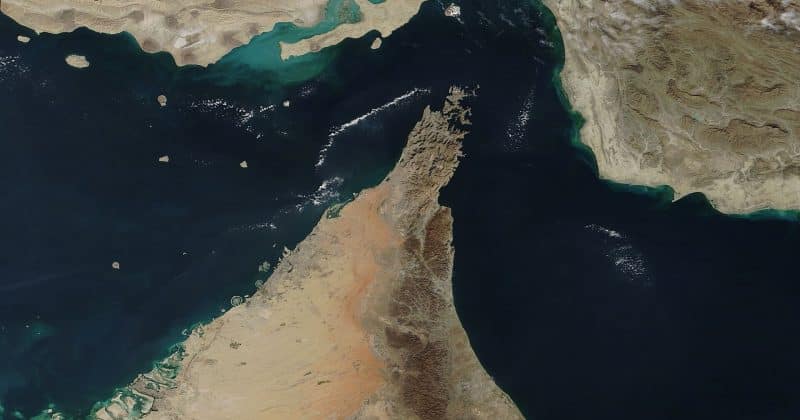
Roughly 20% of the global oil supply passes through this narrow waterway between Iran and the Arabian Peninsula.
What the deal actually says
The MoU explicitly prohibits tolls on vessels during the 60-day suspension period. The fees in question cover services Iran says it provides: security, safety, environmental oversight, and insurance for ships navigating the strait.
Vessels aren’t simply free to cruise through unannounced. Iran’s Persian Gulf Strait Authority has mandated that ships submit advance requests and coordinate their transit during this interim period. The stated reason is existing hazards, including maritime mines.
The deal’s language is notably specific. Charge-free transit is permissible “for 60 days only.”
US officials have taken a harder public stance. Secretary of State Marco Rubio and President Trump have both stated explicitly that Iran cannot charge tolls beyond the 60-day window. Iran, for its part, has indicated the opposite: fees resume when the suspension ends.
The geopolitical backdrop
The suspension comes alongside broader de-escalation efforts in the region, including the lifting of a US naval blockade. A fragile ceasefire preceded this deal.
Analysts have expressed doubt that a conclusive agreement can be reached within this window. Full recovery of shipping operations could take months even after the suspension period concludes.
What this means for markets and investors
For the next 60 days, oil tankers and cargo vessels can pass through the strait without paying Iran’s proposed fees. That removes an immediate source of cost pressure from global shipping and, by extension, from energy prices.
Even during the suspension, the advance coordination requirements add friction to operations. Route planning through the strait now involves bureaucratic steps that didn’t exist before.
Any disruption in the Strait of Hormuz doesn’t just affect oil. Liquefied natural gas shipments from Qatar, one of the world’s largest LNG exporters, also pass through this chokepoint.