
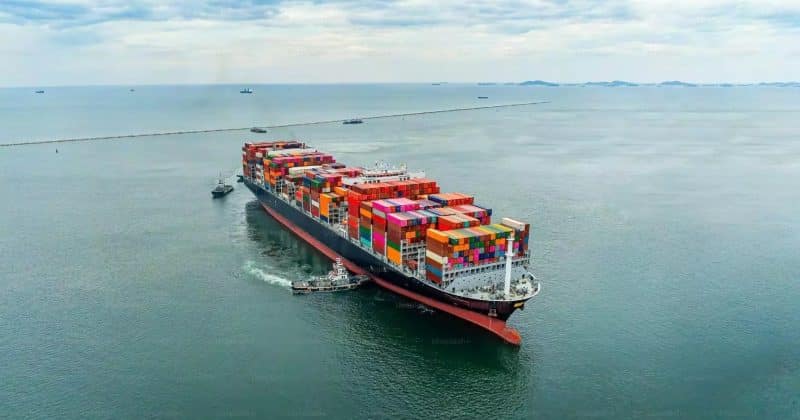
Iran strikes Singaporean cargo ship in Strait of Hormuz, rattling global shipping markets

Iran strikes Singaporean cargo ship in Strait of Hormuz, rattling global shipping markets

The attack on the Ever Lovely marks the first Iranian assault on a cargo vessel since the US-Iran ceasefire, with oil markets and crypto safe-haven demand both in focus

Iran’s Islamic Revolutionary Guard Corps struck the Singapore-flagged container ship Ever Lovely in the Strait of Hormuz on June 25, damaging the vessel’s bridge and putting the fragile US-Iran ceasefire under immediate stress.

No casualties were reported, and there was no significant environmental damage.

The attack came while US Secretary of State Marco Rubio was sitting down with Gulf Cooperation Council ministers in Manama, Bahrain, specifically to reject Iran’s claims of sovereign control over the strait.

Advertisement

What actually happened

The Ever Lovely was transiting the Strait of Hormuz, southeast of Oman, when it was struck by an unknown projectile attributed to the IRGC. The UK Maritime Trade Operations confirmed damage to the ship’s bridge.

The attack is the first Iranian strike on a cargo vessel since the ceasefire reached in mid-June 2026, an agreement that was supposed to reopen the shipping lane after months of Iranian threats against vessels it deemed unauthorized to transit without permission.

Iran has been pushing the position that it holds effective sovereignty over the strait and has the right to charge transit fees to passing vessels. Rubio’s response in Manama was direct: that claim has no standing under international law, and the US intends to keep it that way.

The Strait of Hormuz is not just any waterway. Roughly one-fifth of the world’s oil supply moves through it, making it one of the most economically sensitive chokepoints on the planet.

Why markets are paying attention

Shipping insurance is a second-order effect. War-risk premiums for vessels transiting the strait had already been elevated heading into this period. An actual confirmed attack, even one with limited physical damage, gives underwriters justification to raise rates further. Higher insurance costs feed directly into freight rates, which feed into the cost of goods.

Oil-producing Gulf states have their own exposure here. Any prolonged disruption to Hormuz transit affects their ability to export, which is a pressure point that cuts against Iranian interests too. The GCC ministers meeting with Rubio have every incentive to push back hard on Iranian maritime claims.

For investors tracking this situation, the variables to watch are whether the Ever Lovely attack prompts a formal US response, whether Iran acknowledges or denies IRGC involvement, and whether any additional vessels are targeted in the coming days.

Disclosure: This article was edited by Editorial Team. For more information on how we create and review content, see our Editorial Policy.

Iran strikes Singaporean cargo ship in Strait of Hormuz, rattling global shipping markets

Iran strikes Singaporean cargo ship in Strait of Hormuz, rattling global shipping markets

The attack on the Ever Lovely marks the first Iranian assault on a cargo vessel since the US-Iran ceasefire, with oil markets and crypto safe-haven demand both in focus

Iran’s Islamic Revolutionary Guard Corps struck the Singapore-flagged container ship Ever Lovely in the Strait of Hormuz on June 25, damaging the vessel’s bridge and putting the fragile US-Iran ceasefire under immediate stress.

No casualties were reported, and there was no significant environmental damage.

The attack came while US Secretary of State Marco Rubio was sitting down with Gulf Cooperation Council ministers in Manama, Bahrain, specifically to reject Iran’s claims of sovereign control over the strait.

Advertisement

What actually happened

The Ever Lovely was transiting the Strait of Hormuz, southeast of Oman, when it was struck by an unknown projectile attributed to the IRGC. The UK Maritime Trade Operations confirmed damage to the ship’s bridge.

The attack is the first Iranian strike on a cargo vessel since the ceasefire reached in mid-June 2026, an agreement that was supposed to reopen the shipping lane after months of Iranian threats against vessels it deemed unauthorized to transit without permission.

Iran has been pushing the position that it holds effective sovereignty over the strait and has the right to charge transit fees to passing vessels. Rubio’s response in Manama was direct: that claim has no standing under international law, and the US intends to keep it that way.

The Strait of Hormuz is not just any waterway. Roughly one-fifth of the world’s oil supply moves through it, making it one of the most economically sensitive chokepoints on the planet.

Why markets are paying attention

Shipping insurance is a second-order effect. War-risk premiums for vessels transiting the strait had already been elevated heading into this period. An actual confirmed attack, even one with limited physical damage, gives underwriters justification to raise rates further. Higher insurance costs feed directly into freight rates, which feed into the cost of goods.

Oil-producing Gulf states have their own exposure here. Any prolonged disruption to Hormuz transit affects their ability to export, which is a pressure point that cuts against Iranian interests too. The GCC ministers meeting with Rubio have every incentive to push back hard on Iranian maritime claims.

For investors tracking this situation, the variables to watch are whether the Ever Lovely attack prompts a formal US response, whether Iran acknowledges or denies IRGC involvement, and whether any additional vessels are targeted in the coming days.

Disclosure: This article was edited by Editorial Team. For more information on how we create and review content, see our Editorial Policy.