
Nexo Earn with Nexo
Iran strikes US bases in Bahrain and Jordan as Middle East conflict escalates

Iran strikes US bases in Bahrain and Jordan as Middle East conflict escalates

Iran's Foreign Minister defended the retaliatory strikes as a response to US military aggression, sending shockwaves through crypto markets.

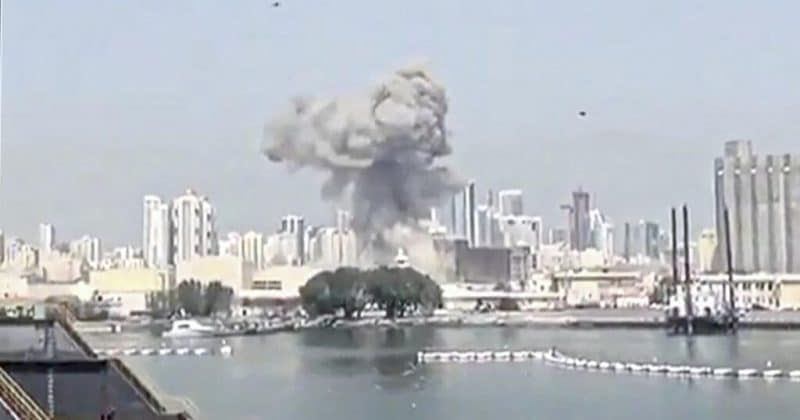
Iran launched missile and drone strikes targeting US military bases in Bahrain and Jordan, with explosions reported in the Bahraini capital of Manama on June 10. Iran’s Islamic Revolutionary Guard Corps (IRGC) claimed responsibility for the attacks, calling them a direct response to recent US strikes on southern Iran.

Iran’s Foreign Minister publicly defended the operation as a necessary answer to what Tehran has characterized as violations of Iranian sovereignty. The IRGC went further, warning that additional responses would follow if provocations continued.

A ceasefire that didn’t hold

The current escalation traces back to February 2026, when the US carried out extensive strikes in Iran following the assassination of Supreme Leader Ali Khamenei. That campaign eventually produced a fragile ceasefire on April 8.

Advertisement

By late May, the US had resumed strikes on targets in southern Iran. Iran’s government condemned the actions as unprovoked aggression against a sovereign nation. The June 10 strikes on US bases represent Tehran’s most direct military response since the ceasefire collapsed.

Crypto markets take the hit

In the wake of the late May US strikes on southern Iran, Bitcoin fell below $73,000, marking its lowest level since mid-April. That represented roughly a 3.5% daily loss.

The broader crypto market shed approximately $80 billion in value within a 24-hour window surrounding the renewed hostilities.

The geopolitical calculus

Iran’s decision to strike US bases directly, rather than relying on proxy forces, represents a meaningful escalation in both military and diplomatic terms. Targeting facilities in Bahrain and Jordan, two countries that host US military infrastructure under bilateral agreements, introduces additional diplomatic complications for Washington.

Bahrain is home to the US Navy’s Fifth Fleet. Jordan has served as a staging ground for US operations across the region for decades.

What this means for investors

For Bitcoin specifically, the $73,000 level becomes a critical technical and psychological floor. The competitive dynamic between crypto and traditional safe havens also matters here. Gold and US Treasuries have historically absorbed capital during geopolitical crises.

What investors should watch: any indication of diplomatic engagement between Washington and Tehran, IRGC statements signaling additional operations, and Bitcoin’s ability to hold above the $73,000 level during future escalation events.

Disclosure: This article was edited by Editorial Team. For more information on how we create and review content, see our Editorial Policy.

Iran strikes US bases in Bahrain and Jordan as Middle East conflict escalates

Iran strikes US bases in Bahrain and Jordan as Middle East conflict escalates

Iran's Foreign Minister defended the retaliatory strikes as a response to US military aggression, sending shockwaves through crypto markets.

Iran launched missile and drone strikes targeting US military bases in Bahrain and Jordan, with explosions reported in the Bahraini capital of Manama on June 10. Iran’s Islamic Revolutionary Guard Corps (IRGC) claimed responsibility for the attacks, calling them a direct response to recent US strikes on southern Iran.

Iran’s Foreign Minister publicly defended the operation as a necessary answer to what Tehran has characterized as violations of Iranian sovereignty. The IRGC went further, warning that additional responses would follow if provocations continued.

A ceasefire that didn’t hold

The current escalation traces back to February 2026, when the US carried out extensive strikes in Iran following the assassination of Supreme Leader Ali Khamenei. That campaign eventually produced a fragile ceasefire on April 8.

Advertisement

By late May, the US had resumed strikes on targets in southern Iran. Iran’s government condemned the actions as unprovoked aggression against a sovereign nation. The June 10 strikes on US bases represent Tehran’s most direct military response since the ceasefire collapsed.

Crypto markets take the hit

In the wake of the late May US strikes on southern Iran, Bitcoin fell below $73,000, marking its lowest level since mid-April. That represented roughly a 3.5% daily loss.

The broader crypto market shed approximately $80 billion in value within a 24-hour window surrounding the renewed hostilities.

The geopolitical calculus

Iran’s decision to strike US bases directly, rather than relying on proxy forces, represents a meaningful escalation in both military and diplomatic terms. Targeting facilities in Bahrain and Jordan, two countries that host US military infrastructure under bilateral agreements, introduces additional diplomatic complications for Washington.

Bahrain is home to the US Navy’s Fifth Fleet. Jordan has served as a staging ground for US operations across the region for decades.

What this means for investors

For Bitcoin specifically, the $73,000 level becomes a critical technical and psychological floor. The competitive dynamic between crypto and traditional safe havens also matters here. Gold and US Treasuries have historically absorbed capital during geopolitical crises.

What investors should watch: any indication of diplomatic engagement between Washington and Tehran, IRGC statements signaling additional operations, and Bitcoin’s ability to hold above the $73,000 level during future escalation events.

Disclosure: This article was edited by Editorial Team. For more information on how we create and review content, see our Editorial Policy.