
Iran suspends negotiations with US after Israel strikes Beirut, sending ripples through crypto markets
The diplomatic breakdown threatens to keep the Strait of Hormuz partially blockaded while Iran deepens its pivot toward Bitcoin-settled trade infrastructure.
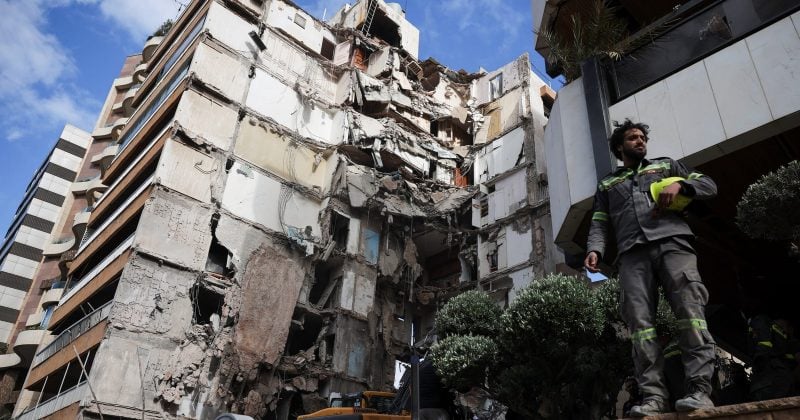
Iran cut off communications with the US through mediators on April 10, 2026, after Israeli airstrikes hit Beirut. The move torpedoed weeks of quiet diplomacy aimed at reopening the Strait of Hormuz and restarting formal peace talks.
The Strait of Hormuz has remained partially blockaded well into May 2026. Roughly one-fifth of the world’s petroleum passes through that 21-mile-wide corridor on any given day.
The Israeli strikes targeted Hezbollah positions in Beirut, prompting Iran to declare the peace talks “meaningless.” Pakistan had been attempting to mediate between the parties, but those efforts stalled over demands for a ceasefire as a precondition to any further dialogue.
Bitcoin felt it directly. During the April escalation signals, the price dipped below $80,000 and at one point fell under $73,000. Bitcoin stabilized around $80,000 during periods when ceasefire talks appeared productive. When those talks collapsed, so did the price floor.
In mid-May 2026, Iran launched “Hormuz Safe,” a blockchain-based platform designed to handle transit fees and marine insurance for vessels crossing the strait. The target is ambitious: up to $10 billion in Bitcoin-settled insurance policies for ships navigating one of the world’s riskiest waterways.
Macro, rates, and crypto—what moved markets and what matters next.
Daily. Free. Join 34,000+ readers across crypto, finance, and policy.
Traditional marine insurance runs through London and European markets, which means it runs through sanctions compliance departments. By settling in Bitcoin and stablecoins, Iran can theoretically offer coverage to shipowners who might otherwise face legal complications for doing business with Iranian-linked entities.
The US responded predictably. In late April 2026, American authorities froze hundreds of millions of dollars in crypto assets associated with Iran. The action targeted wallets linked to Iranian entities, adding another layer of uncertainty to an already tense market.
The competitive landscape for stablecoins also shifts in this environment. Tether and Circle have already complied with previous enforcement actions, but the scale of a $10 billion insurance platform would test those mechanisms significantly.
Traders should watch three signals: any resumption of US-Iran back-channel communications, changes in shipping traffic volume through the strait, and new OFAC designations targeting crypto wallets. Each of these has moved Bitcoin’s price by thousands of dollars in recent weeks.