
Nexo Earn with Nexo
Iran reopens Tabriz International Airport after US-Israeli strikes, raising questions about crypto sanctions enforcement

Iran reopens Tabriz International Airport after US-Israeli strikes, raising questions about crypto sanctions enforcement

The airport's restoration signals cautious stabilization in the region, but the US freeze of $344 million in Iranian digital assets shows the financial conflict is far from over.

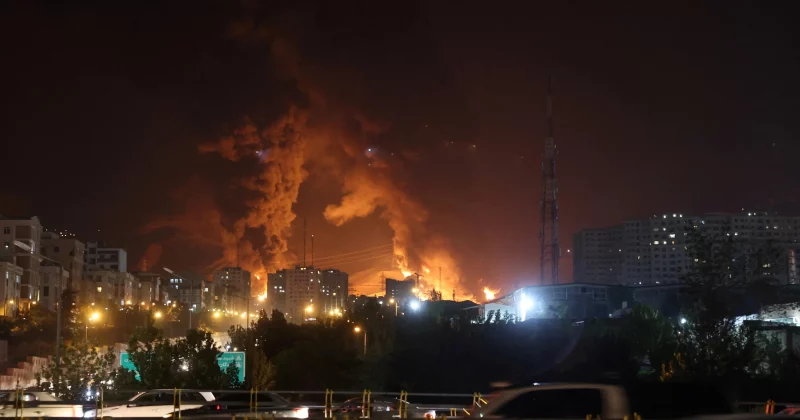
Tabriz International Airport, the northwestern Iranian hub that took direct hits during US-Israeli military strikes earlier this year, is set to reopen on May 28. Iranian specialists completed the restoration work, and the country’s Civil Aviation Organisation confirmed the news through state media.

The airport had been shuttered since it was targeted around March 1, 2026. Its reopening joins about 20 other Iranian airports that have phased back into service following the conflict that began in late February.

Advertisement

The crypto dimension of the conflict

The US Treasury froze approximately $344 million in Iranian digital assets in late April 2026, targeting crypto networks linked to the Islamic Revolutionary Guard Corps and the Central Bank of Iran.

Iran’s largest crypto exchange, Nobitex, has reportedly processed substantial transaction volumes linked to state entities.

What the strikes did to Bitcoin

When the US-Israeli strikes began in late February 2026, Bitcoin’s price dropped toward $63,000 as markets processed the implications of a major military escalation in the Middle East. In the months that followed, Bitcoin fluctuated around $77,000 as the situation evolved from active military operations toward a fragile stabilization.

What this means for investors

The $344 million asset freeze creates a nuanced picture for crypto investors. Aggressive enforcement validates the blockchain’s transparency — authorities can trace, identify, and freeze assets in ways that would be difficult with physical cash. It also raises questions about jurisdictional reach and the vulnerability of centralized exchange infrastructure to government action.

Disclosure: This article was edited by Editorial Team. For more information on how we create and review content, see our Editorial Policy.

Iran reopens Tabriz International Airport after US-Israeli strikes, raising questions about crypto sanctions enforcement

Iran reopens Tabriz International Airport after US-Israeli strikes, raising questions about crypto sanctions enforcement

The airport's restoration signals cautious stabilization in the region, but the US freeze of $344 million in Iranian digital assets shows the financial conflict is far from over.

Tabriz International Airport, the northwestern Iranian hub that took direct hits during US-Israeli military strikes earlier this year, is set to reopen on May 28. Iranian specialists completed the restoration work, and the country’s Civil Aviation Organisation confirmed the news through state media.

The airport had been shuttered since it was targeted around March 1, 2026. Its reopening joins about 20 other Iranian airports that have phased back into service following the conflict that began in late February.

Advertisement

The crypto dimension of the conflict

The US Treasury froze approximately $344 million in Iranian digital assets in late April 2026, targeting crypto networks linked to the Islamic Revolutionary Guard Corps and the Central Bank of Iran.

Iran’s largest crypto exchange, Nobitex, has reportedly processed substantial transaction volumes linked to state entities.

What the strikes did to Bitcoin

When the US-Israeli strikes began in late February 2026, Bitcoin’s price dropped toward $63,000 as markets processed the implications of a major military escalation in the Middle East. In the months that followed, Bitcoin fluctuated around $77,000 as the situation evolved from active military operations toward a fragile stabilization.

What this means for investors

The $344 million asset freeze creates a nuanced picture for crypto investors. Aggressive enforcement validates the blockchain’s transparency — authorities can trace, identify, and freeze assets in ways that would be difficult with physical cash. It also raises questions about jurisdictional reach and the vulnerability of centralized exchange infrastructure to government action.

Disclosure: This article was edited by Editorial Team. For more information on how we create and review content, see our Editorial Policy.