
Iran’s Revolutionary Guards claim to target US Al Udeid Air Base in Qatar, rattling crypto and oil markets

Iran’s Revolutionary Guards claim to target US Al Udeid Air Base in Qatar, rattling crypto and oil markets

Bitcoin slid toward $63K lows as oil surged to $80 per barrel, with traders scrambling to price in another round of Middle East escalation.

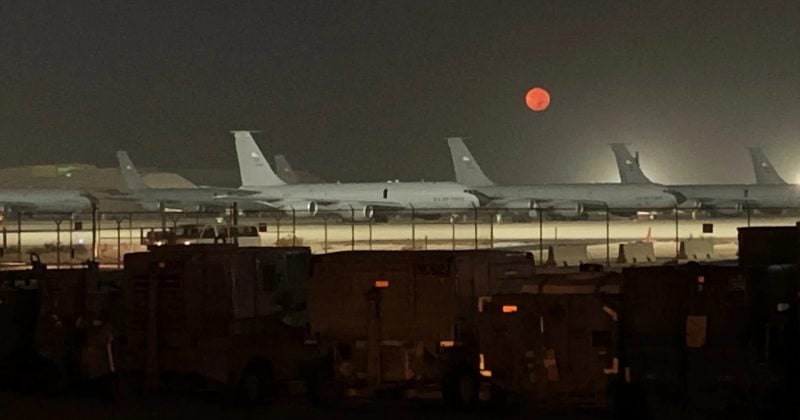
Iran’s Islamic Revolutionary Guard Corps claimed responsibility for launching ballistic missiles at the Al Udeid Air Base in Qatar on July 12, a facility that serves as a critical hub for US fighter aircraft maintenance and command operations in the region. Qatar’s Ministry of Defence reported that its air defenses successfully intercepted several missiles and drones, with no casualties reported.

The attack, which the IRGC described as a “second phase of retaliatory operations,” sent immediate ripples through financial markets. Bitcoin dipped near $63,000, while oil prices surged to around $80 per barrel.

What happened at Al Udeid

Al Udeid Air Base, located southwest of Doha, is one of the largest US military installations in the Middle East. It hosts thousands of American service members and serves as the forward headquarters for US air operations across the region.

Advertisement

The IRGC’s strike reportedly involved a combination of ballistic missiles and drones aimed at facilities used for fighter jet maintenance and command coordination. Qatar’s air defense systems intercepted the incoming threats, and no fatalities were reported.

This wasn’t the first time Iran has gone after Al Udeid. The base has been targeted repeatedly since June 2025, following what Iran characterized as strikes on its nuclear infrastructure.

The IRGC framing this as a “second phase” suggests the group views these operations as part of a sustained campaign rather than isolated incidents.

Markets react: Bitcoin drops, oil spikes

Bitcoin traded near $63,000 lows during the period surrounding the strike, a meaningful pullback that coincided with broader risk-off sentiment across asset classes. Meanwhile, oil prices jumped to approximately $80 per barrel.

Qatar is one of the world’s largest natural gas exporters, and any military activity near its borders forces energy traders to reprice supply risk.

No specific crypto protocols or tokens have been directly referenced in the attacks or their aftermath, which means the impact on digital assets is purely macro-driven.

Energy markets are the transmission mechanism to watch. Oil at $80 per barrel is uncomfortable but manageable. Oil at $100 or higher, which becomes plausible if shipping lanes in the Persian Gulf face disruption, would represent a genuine stagflationary shock.

Disclosure: This article was edited by Editorial Team. For more information on how we create and review content, see our Editorial Policy.

Iran’s Revolutionary Guards claim to target US Al Udeid Air Base in Qatar, rattling crypto and oil markets

Iran’s Revolutionary Guards claim to target US Al Udeid Air Base in Qatar, rattling crypto and oil markets

Bitcoin slid toward $63K lows as oil surged to $80 per barrel, with traders scrambling to price in another round of Middle East escalation.

Iran’s Islamic Revolutionary Guard Corps claimed responsibility for launching ballistic missiles at the Al Udeid Air Base in Qatar on July 12, a facility that serves as a critical hub for US fighter aircraft maintenance and command operations in the region. Qatar’s Ministry of Defence reported that its air defenses successfully intercepted several missiles and drones, with no casualties reported.

The attack, which the IRGC described as a “second phase of retaliatory operations,” sent immediate ripples through financial markets. Bitcoin dipped near $63,000, while oil prices surged to around $80 per barrel.

What happened at Al Udeid

Al Udeid Air Base, located southwest of Doha, is one of the largest US military installations in the Middle East. It hosts thousands of American service members and serves as the forward headquarters for US air operations across the region.

Advertisement

The IRGC’s strike reportedly involved a combination of ballistic missiles and drones aimed at facilities used for fighter jet maintenance and command coordination. Qatar’s air defense systems intercepted the incoming threats, and no fatalities were reported.

This wasn’t the first time Iran has gone after Al Udeid. The base has been targeted repeatedly since June 2025, following what Iran characterized as strikes on its nuclear infrastructure.

The IRGC framing this as a “second phase” suggests the group views these operations as part of a sustained campaign rather than isolated incidents.

Markets react: Bitcoin drops, oil spikes

Bitcoin traded near $63,000 lows during the period surrounding the strike, a meaningful pullback that coincided with broader risk-off sentiment across asset classes. Meanwhile, oil prices jumped to approximately $80 per barrel.

Qatar is one of the world’s largest natural gas exporters, and any military activity near its borders forces energy traders to reprice supply risk.

No specific crypto protocols or tokens have been directly referenced in the attacks or their aftermath, which means the impact on digital assets is purely macro-driven.

Energy markets are the transmission mechanism to watch. Oil at $80 per barrel is uncomfortable but manageable. Oil at $100 or higher, which becomes plausible if shipping lanes in the Persian Gulf face disruption, would represent a genuine stagflationary shock.

Disclosure: This article was edited by Editorial Team. For more information on how we create and review content, see our Editorial Policy.