
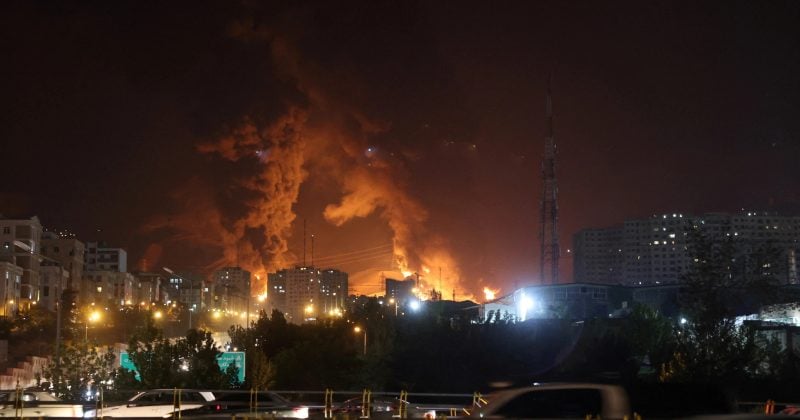
Iran tensions rise as infrastructure targeting risks regional instability

https://www.cfr.org/global-conflict-tracker/conflict/confrontation-between-united-states-and-iran

Iran tensions rise as infrastructure targeting risks regional instability

Strait of Hormuz traffic normalization

Political scientist Robert Pape has commented on the escalating military tensions involving Iran, highlighting the potential for retaliatory actions that could expand conflict beyond its current scope. Pape suggests that targeting Iran’s infrastructure, such as its power grid and oil facilities, may not break the country but instead provoke broader regional instability. The scholar warns that Gulf states hosting U.S. bases and the Red Sea could become targets, as Iran seeks alternative strategies to exert influence over oil markets and bypass the Strait of Hormuz.

In the context of this ongoing conflict, markets are closely monitoring developments in the Strait of Hormuz. The current pricing suggests a decreased likelihood of traffic normalization by August 31, with the YES probability dropping to 15.5% from 28% a week ago. Concerns over potential retaliation and expanded hostilities are contributing to this sentiment. The market dynamics reflect apprehension about further disruptions to oil transport through the Strait, a critical chokepoint for global oil supply.

Advertisement

The geopolitical implications of Pape’s analysis are evident in the prediction markets. Market participants appear to interpret the potential for broader conflict as inconsistent with a peaceful resolution in the near term. With the Iranian regime’s stability also under scrutiny, the likelihood of its fall by September 30 remains low, at 3.9% YES, although slightly increased from a week ago.

Key Takeaways

  • Robert Pape’s comments suggest that targeting Iran’s infrastructure may lead to broader regional instability rather than resolving the conflict.
  • Markets indicate a decreased likelihood of Strait of Hormuz traffic returning to normal by August 31, now priced at 15.5% YES.
  • The probability of the Iranian regime falling by September 30 remains low at 3.9% YES, though recent events have slightly increased these odds.

What to Watch

Tensions between Iran and the U.S.-Israel coalition will be critical in the coming weeks, particularly any military escalations or diplomatic breakthroughs. Official announcements from Iran or the U.S. regarding peace negotiations or changes in military strategy could shift market sentiment. Additionally, any significant developments in the operational status of Iran’s bypass pipeline or the impact of further infrastructure attacks will be closely watched for their influence on the Strait of Hormuz market.

Get live prediction-market analysis, powered by Vera. Sign up for Vera.

Disclosure: This article was edited by Estefano Gomez. For more information on how we create and review content, see our Editorial Policy.

Iran tensions rise as infrastructure targeting risks regional instability

Iran tensions rise as infrastructure targeting risks regional instability

Strait of Hormuz traffic normalization

https://www.cfr.org/global-conflict-tracker/conflict/confrontation-between-united-states-and-iran

Political scientist Robert Pape has commented on the escalating military tensions involving Iran, highlighting the potential for retaliatory actions that could expand conflict beyond its current scope. Pape suggests that targeting Iran’s infrastructure, such as its power grid and oil facilities, may not break the country but instead provoke broader regional instability. The scholar warns that Gulf states hosting U.S. bases and the Red Sea could become targets, as Iran seeks alternative strategies to exert influence over oil markets and bypass the Strait of Hormuz.

In the context of this ongoing conflict, markets are closely monitoring developments in the Strait of Hormuz. The current pricing suggests a decreased likelihood of traffic normalization by August 31, with the YES probability dropping to 15.5% from 28% a week ago. Concerns over potential retaliation and expanded hostilities are contributing to this sentiment. The market dynamics reflect apprehension about further disruptions to oil transport through the Strait, a critical chokepoint for global oil supply.

Advertisement

The geopolitical implications of Pape’s analysis are evident in the prediction markets. Market participants appear to interpret the potential for broader conflict as inconsistent with a peaceful resolution in the near term. With the Iranian regime’s stability also under scrutiny, the likelihood of its fall by September 30 remains low, at 3.9% YES, although slightly increased from a week ago.

Key Takeaways

  • Robert Pape’s comments suggest that targeting Iran’s infrastructure may lead to broader regional instability rather than resolving the conflict.
  • Markets indicate a decreased likelihood of Strait of Hormuz traffic returning to normal by August 31, now priced at 15.5% YES.
  • The probability of the Iranian regime falling by September 30 remains low at 3.9% YES, though recent events have slightly increased these odds.

What to Watch

Tensions between Iran and the U.S.-Israel coalition will be critical in the coming weeks, particularly any military escalations or diplomatic breakthroughs. Official announcements from Iran or the U.S. regarding peace negotiations or changes in military strategy could shift market sentiment. Additionally, any significant developments in the operational status of Iran’s bypass pipeline or the impact of further infrastructure attacks will be closely watched for their influence on the Strait of Hormuz market.

Get live prediction-market analysis, powered by Vera. Sign up for Vera.

Disclosure: This article was edited by Estefano Gomez. For more information on how we create and review content, see our Editorial Policy.