
Iran agrees to dilute enriched uranium under US supervision as Bitcoin rallies on reduced geopolitical risk
Tehran's commitment to dispose of its 60% enriched uranium stockpile marks a significant diplomatic breakthrough, with crypto markets responding favorably to easing Middle East tensions
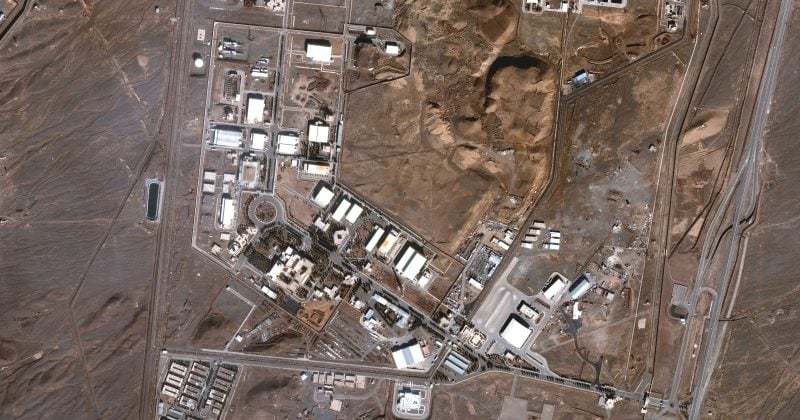
Iran has agreed in principle to dilute or dispose of roughly 400 to 450 kg of uranium enriched to 60%, a diplomatic milestone that sent Bitcoin climbing above $66K as traders priced in reduced geopolitical risk across the Middle East.
The agreement, part of broader negotiations between Washington and Tehran, represents one of the most concrete nuclear commitments Iran has made in years. Tehran has simultaneously reaffirmed that it will not pursue nuclear weapons, a position it has held publicly for decades but one that carries more weight when paired with verifiable action.
What’s actually in the deal
The arrangement calls for Iran’s highly enriched uranium stockpile to be diluted or disposed of, with the material remaining on Iranian soil rather than being shipped abroad. International oversight, likely from the International Atomic Energy Agency, would serve as the verification mechanism.
The commitment is embedded within a draft memorandum tied to a 60-day ceasefire extension. Full nuclear terms have been deferred to later rounds of negotiation, meaning this is more of a framework than a finished product.
US officials have claimed this outcome is stronger than the 2015 JCPOA, the Obama-era nuclear deal that the Trump administration previously withdrew from in 2018.
Macro, rates, and crypto—what moved markets and what matters next.
Daily. Free. Join 34,000+ readers across crypto, finance, and policy.
The talks also encompass discussions around sanctions relief. Estimates place approximately $25 billion in assets potentially at stake, and any loosening of restrictions would have downstream effects on oil markets and regional trade flows.
The crypto connection is more direct than you’d think
In April 2026, the US Treasury froze approximately $344 million in crypto assets linked to Iranian networks. That enforcement action underscored how digital assets have become a meaningful channel for sanctions evasion, and why any nuclear deal with Tehran carries implications for how aggressively regulators police crypto flows.
Bitcoin’s move above $66K following the interim peace announcements reflects the market’s read on reduced tail risk.
What this means for investors
Prediction markets like Polymarket have been actively tracking the probability of a US-Iran deal, and the growing influence of these platforms offers a real-time sentiment gauge that traditional polling can’t match.
The $344 million in frozen crypto assets also serves as a reminder that regulatory risk doesn’t disappear just because diplomatic risk decreases. The precedent for freezing crypto tied to sanctioned entities has been firmly established regardless of how the diplomacy plays out.