
Nexo Earn with Nexo
Iran’s Supreme Leader orders enriched uranium to stay in country, complicating US nuclear talks

Iran’s Supreme Leader orders enriched uranium to stay in country, complicating US nuclear talks

The directive hardens Tehran's negotiating position as its stockpile of near-weapons-grade uranium continues to grow under IAEA monitoring.

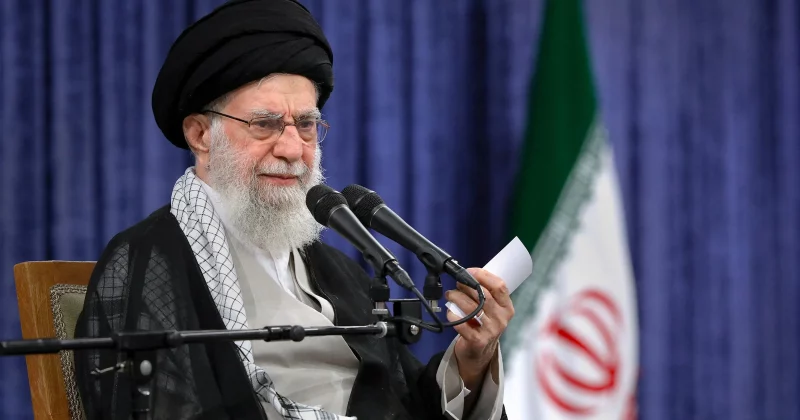
Iran’s Supreme Leader has issued a directive that the country’s near-weapons-grade enriched uranium must not leave Iranian soil, according to two senior Iranian sources cited by Reuters. The order directly undercuts one of Washington’s central demands in ongoing nuclear peace talks and signals that Tehran is digging in on the most contentious issue at the negotiating table.

Removing or relocating enriched uranium has been a cornerstone of the US position in negotiations. With that option now apparently off the table from Iran’s perspective, the path to any deal just got significantly narrower.

A growing stockpile with shrinking options

Here’s the thing about uranium enriched to 60% U-235: it’s not technically weapons-grade, which sits at roughly 90%. But the jump from 60% to 90% is far easier and faster than getting from natural uranium to 60% in the first place. Think of it like a car that’s already at 120 mph on a highway with a 130 mph speed limit. The gap is small, the momentum is there, and the brakes are optional.

Iran’s stockpile of 60%-enriched uranium was estimated at 440.9 kg as of June 2025. The International Atomic Energy Agency reported that Tehran was producing roughly 9 kg of this material per month as of late 2024.

For context, weapons experts have previously estimated that approximately 42 kg of uranium enriched to 60% could, if further enriched, yield enough weapons-grade material for a single nuclear device. Iran’s current stockpile, by that math, represents a significant multiple of what would theoretically be needed.

Advertisement

The Supreme Leader’s order effectively tells the US that Iran views its enriched uranium as a sovereign asset, not a bargaining chip to be shipped overseas. Whether this is a genuine red line or an opening negotiating posture remains to be seen, but the directive carries the weight of Iran’s highest authority.

The collapse of the old framework

This latest development lands in a diplomatic landscape that looks nothing like it did a decade ago. The Joint Comprehensive Plan of Action, the 2015 nuclear deal painstakingly negotiated under the Obama administration, expired on October 18, 2025. Iran stated it would no longer adhere to its terms.

The JCPOA had placed strict limits on Iran’s enrichment activities, capping enrichment levels at 3.67% and requiring the country to reduce its stockpile dramatically. The deal’s collapse, which began in practice when the US withdrew in 2018 under the Trump administration, has allowed Iran to steadily ramp up both the volume and purity of its enrichment program.

Without the JCPOA’s framework, negotiations now lack even a baseline agreement to build from. The US wants Iran to surrender material it spent years accumulating. Iran, per this latest directive, has no intention of doing so. That’s less of a gap and more of a canyon.

The IAEA continues to monitor Iran’s nuclear facilities, but its access has been a recurring point of friction. Tehran has previously restricted inspectors’ ability to install surveillance equipment and access certain sites, making independent verification of the full scope of Iran’s program an ongoing challenge.

What this means for global markets and risk assets

Nuclear standoffs don’t move crypto prices the way an ETF approval does, but they absolutely shape the macro environment that digital assets trade within. Geopolitical tensions in the Middle East have historically driven oil price volatility, which feeds into inflation expectations, which in turn influences central bank policy. That chain of dominoes matters for anyone holding risk assets, Bitcoin included.

A harder Iranian negotiating stance increases the probability of prolonged diplomatic stalemate. In a worst-case scenario, it raises the specter of military escalation, whether through direct action, proxy conflicts, or expanded sanctions regimes. Each of those outcomes carries economic consequences that ripple through traditional and digital markets alike.

Sanctions are the most immediate lever. If talks break down entirely, the US and its allies could tighten restrictions on Iranian oil exports, which would constrain global supply and push energy prices higher. Higher energy costs mean higher inflation, which means central banks keep rates elevated longer, which means risk assets face sustained headwinds.

For crypto specifically, the relationship is nuanced. Bitcoin has at times traded as a safe haven during geopolitical crises, and at other times has moved in lockstep with equities as a pure risk asset. The response depends heavily on whether a crisis triggers a flight to safety or a broader liquidity crunch.

There’s also the sanctions evasion angle. Periods of intensified sanctions have historically correlated with increased use of crypto for cross-border transactions in sanctioned jurisdictions. This doesn’t benefit legitimate crypto investors, but it does draw regulatory scrutiny that can affect the entire ecosystem. Tighter sanctions on Iran could accelerate efforts by US regulators to impose stricter compliance requirements on exchanges and DeFi protocols.

Investors watching this situation should pay attention to two things: the pace of Iran’s enrichment (the IAEA’s monthly reports are the best public data source) and the tone of US diplomatic communications. A shift from negotiation language to ultimatum language would be the clearest signal that the risk profile has changed materially. Until then, this is a slow-burning variable in an already complex macro picture, not the kind of catalyst that moves markets overnight, but exactly the kind that reshapes them over months.

Disclosure: This article was edited by Editorial Team. For more information on how we create and review content, see our Editorial Policy.

Iran’s Supreme Leader orders enriched uranium to stay in country, complicating US nuclear talks

Iran’s Supreme Leader orders enriched uranium to stay in country, complicating US nuclear talks

The directive hardens Tehran's negotiating position as its stockpile of near-weapons-grade uranium continues to grow under IAEA monitoring.

Iran’s Supreme Leader has issued a directive that the country’s near-weapons-grade enriched uranium must not leave Iranian soil, according to two senior Iranian sources cited by Reuters. The order directly undercuts one of Washington’s central demands in ongoing nuclear peace talks and signals that Tehran is digging in on the most contentious issue at the negotiating table.

Removing or relocating enriched uranium has been a cornerstone of the US position in negotiations. With that option now apparently off the table from Iran’s perspective, the path to any deal just got significantly narrower.

A growing stockpile with shrinking options

Here’s the thing about uranium enriched to 60% U-235: it’s not technically weapons-grade, which sits at roughly 90%. But the jump from 60% to 90% is far easier and faster than getting from natural uranium to 60% in the first place. Think of it like a car that’s already at 120 mph on a highway with a 130 mph speed limit. The gap is small, the momentum is there, and the brakes are optional.

Iran’s stockpile of 60%-enriched uranium was estimated at 440.9 kg as of June 2025. The International Atomic Energy Agency reported that Tehran was producing roughly 9 kg of this material per month as of late 2024.

For context, weapons experts have previously estimated that approximately 42 kg of uranium enriched to 60% could, if further enriched, yield enough weapons-grade material for a single nuclear device. Iran’s current stockpile, by that math, represents a significant multiple of what would theoretically be needed.

Advertisement

The Supreme Leader’s order effectively tells the US that Iran views its enriched uranium as a sovereign asset, not a bargaining chip to be shipped overseas. Whether this is a genuine red line or an opening negotiating posture remains to be seen, but the directive carries the weight of Iran’s highest authority.

The collapse of the old framework

This latest development lands in a diplomatic landscape that looks nothing like it did a decade ago. The Joint Comprehensive Plan of Action, the 2015 nuclear deal painstakingly negotiated under the Obama administration, expired on October 18, 2025. Iran stated it would no longer adhere to its terms.

The JCPOA had placed strict limits on Iran’s enrichment activities, capping enrichment levels at 3.67% and requiring the country to reduce its stockpile dramatically. The deal’s collapse, which began in practice when the US withdrew in 2018 under the Trump administration, has allowed Iran to steadily ramp up both the volume and purity of its enrichment program.

Without the JCPOA’s framework, negotiations now lack even a baseline agreement to build from. The US wants Iran to surrender material it spent years accumulating. Iran, per this latest directive, has no intention of doing so. That’s less of a gap and more of a canyon.

The IAEA continues to monitor Iran’s nuclear facilities, but its access has been a recurring point of friction. Tehran has previously restricted inspectors’ ability to install surveillance equipment and access certain sites, making independent verification of the full scope of Iran’s program an ongoing challenge.

What this means for global markets and risk assets

Nuclear standoffs don’t move crypto prices the way an ETF approval does, but they absolutely shape the macro environment that digital assets trade within. Geopolitical tensions in the Middle East have historically driven oil price volatility, which feeds into inflation expectations, which in turn influences central bank policy. That chain of dominoes matters for anyone holding risk assets, Bitcoin included.

A harder Iranian negotiating stance increases the probability of prolonged diplomatic stalemate. In a worst-case scenario, it raises the specter of military escalation, whether through direct action, proxy conflicts, or expanded sanctions regimes. Each of those outcomes carries economic consequences that ripple through traditional and digital markets alike.

Sanctions are the most immediate lever. If talks break down entirely, the US and its allies could tighten restrictions on Iranian oil exports, which would constrain global supply and push energy prices higher. Higher energy costs mean higher inflation, which means central banks keep rates elevated longer, which means risk assets face sustained headwinds.

For crypto specifically, the relationship is nuanced. Bitcoin has at times traded as a safe haven during geopolitical crises, and at other times has moved in lockstep with equities as a pure risk asset. The response depends heavily on whether a crisis triggers a flight to safety or a broader liquidity crunch.

There’s also the sanctions evasion angle. Periods of intensified sanctions have historically correlated with increased use of crypto for cross-border transactions in sanctioned jurisdictions. This doesn’t benefit legitimate crypto investors, but it does draw regulatory scrutiny that can affect the entire ecosystem. Tighter sanctions on Iran could accelerate efforts by US regulators to impose stricter compliance requirements on exchanges and DeFi protocols.

Investors watching this situation should pay attention to two things: the pace of Iran’s enrichment (the IAEA’s monthly reports are the best public data source) and the tone of US diplomatic communications. A shift from negotiation language to ultimatum language would be the clearest signal that the risk profile has changed materially. Until then, this is a slow-burning variable in an already complex macro picture, not the kind of catalyst that moves markets overnight, but exactly the kind that reshapes them over months.

Disclosure: This article was edited by Editorial Team. For more information on how we create and review content, see our Editorial Policy.