
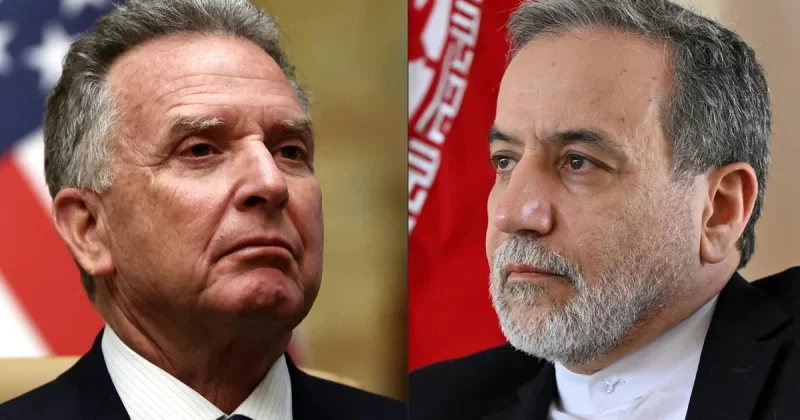
Iran agrees to transfer part of uranium to third country, shaking up geopolitical risk calculus
Reports suggest Iran signaled willingness to move enriched uranium stockpile abroad, though Tehran quickly denied the claims, leaving markets parsing mixed signals.
Iran has reportedly agreed to transfer a portion of its enriched uranium stockpile to a third country, a move that, if confirmed, would represent one of the most significant shifts in nuclear diplomacy in years.
Here’s the thing: Iran also denied it almost immediately.
What happened and why it matters
On June 5, 2026, Al Arabiya reported that Iran had communicated to Pakistan its readiness to transfer part of its enriched uranium to a third country. China and Russia were floated as the likely recipients.
The context is a long-running series of nuclear negotiations between the US and Iran, centered on sanctions relief in exchange for limits on enrichment activities. A uranium transfer to a third party would be a significant concession, potentially breaking a deadlock that has persisted through 2025 and into 2026.
Previous US proposals, dating back to at least April 2025, had suggested exactly this kind of arrangement: either a full handover of enriched materials or third-party storage. Iran resisted those proposals at the time.
The news moving money, markets, and the world—before your day starts.
Daily. Free. Join 34,000+ readers across crypto, finance, and policy.
Iranian sources moved quickly to deny the reports, calling them false and stating that uranium transfer is not on the current negotiation agenda.
The prediction market angle
As of mid-May 2026, one prediction market showed a 44.5% probability that Iran would agree to surrender part of its uranium stockpile by December 31, 2026. The Al Arabiya report, if credible, would push that probability meaningfully higher. The subsequent denial would pull it back.
The 44.5% figure itself tells a story. It suggests that informed market participants believe there’s a meaningful but not dominant chance of a deal—people who are putting money where their mouths are think this is genuinely uncertain, not a foregone conclusion in either direction.
Broader market implications
If Iran successfully negotiates sanctions relief in exchange for uranium concessions, that opens Iranian oil supply back to global markets. More supply means downward pressure on oil prices. Lower oil prices generally reduce inflation expectations. Reduced inflation expectations influence central bank rate decisions.
There’s also a regulatory dimension worth watching. Sanctions on Iran have been a cornerstone of US foreign policy for decades, and the crypto industry has repeatedly found itself tangled in sanctions compliance issues. Any restructuring of the Iran sanctions regime would have implications for how crypto exchanges and DeFi protocols handle compliance, particularly around wallet screening and transaction monitoring.