
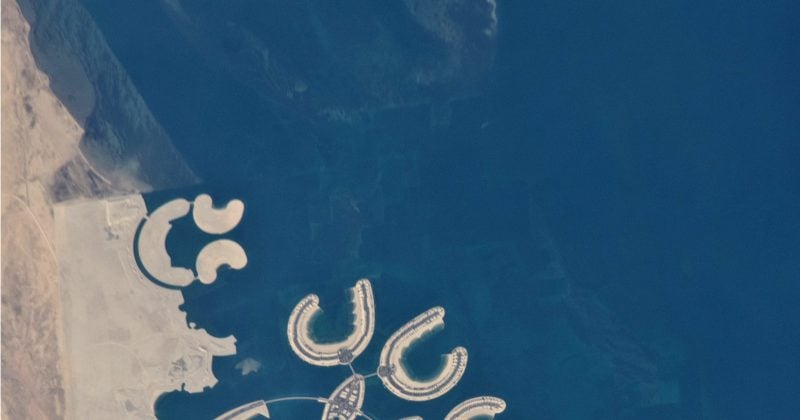
Iran urges Gulf nations to block external attacks amid escalating tensions

https://en.wikipedia.org/wiki/Persian_Gulf

Iran urges Gulf nations to block external attacks amid escalating tensions

Strait of Hormuz traffic normalization

Iran’s Foreign Ministry has issued a call to neighboring Persian Gulf countries, urging them to prevent their territories from being used by external forces to launch attacks against Iran. This statement underscores the heightened tensions in the region, as a U.S.-Iran war continues to escalate with direct Iranian strikes on Gulf nations such as Kuwait, Bahrain, and Qatar, and U.S. military operations near the Strait of Hormuz. The Iranian appeal appears aimed at isolating its adversaries geographically amidst ongoing hostilities, which have already resulted in significant casualties and infrastructure damage.

Advertisement

Key Takeaways

  • Iran’s appeal to neighboring countries suggests a strategic move to limit regional cooperation with U.S. and Israeli military efforts.
  • Market pricing indicates a decreased likelihood of Strait of Hormuz traffic normalization by August 31, with odds currently at 11.5% YES.
  • The probability of a full Iranian airspace closure by July 31 has slightly decreased to 27.5%, reflecting some uncertainty about immediate military developments.

What to Watch

Observers should monitor any diplomatic responses from Persian Gulf nations, as their reactions could influence regional tensions and market dynamics. The potential for further military escalation remains a critical factor, with any new U.S. or Iranian actions likely impacting both the Strait of Hormuz and Iranian airspace closure markets. Developments such as a confirmed ceasefire or significant de-escalation could alter current market expectations significantly, particularly if official announcements indicate an easing of hostilities.

Get live prediction-market analysis, powered by Vera. Sign up for Vera.

Disclosure: This article was edited by Estefano Gomez. For more information on how we create and review content, see our Editorial Policy.

Iran urges Gulf nations to block external attacks amid escalating tensions

Iran urges Gulf nations to block external attacks amid escalating tensions

Strait of Hormuz traffic normalization

https://en.wikipedia.org/wiki/Persian_Gulf

Iran’s Foreign Ministry has issued a call to neighboring Persian Gulf countries, urging them to prevent their territories from being used by external forces to launch attacks against Iran. This statement underscores the heightened tensions in the region, as a U.S.-Iran war continues to escalate with direct Iranian strikes on Gulf nations such as Kuwait, Bahrain, and Qatar, and U.S. military operations near the Strait of Hormuz. The Iranian appeal appears aimed at isolating its adversaries geographically amidst ongoing hostilities, which have already resulted in significant casualties and infrastructure damage.

Advertisement

Key Takeaways

  • Iran’s appeal to neighboring countries suggests a strategic move to limit regional cooperation with U.S. and Israeli military efforts.
  • Market pricing indicates a decreased likelihood of Strait of Hormuz traffic normalization by August 31, with odds currently at 11.5% YES.
  • The probability of a full Iranian airspace closure by July 31 has slightly decreased to 27.5%, reflecting some uncertainty about immediate military developments.

What to Watch

Observers should monitor any diplomatic responses from Persian Gulf nations, as their reactions could influence regional tensions and market dynamics. The potential for further military escalation remains a critical factor, with any new U.S. or Iranian actions likely impacting both the Strait of Hormuz and Iranian airspace closure markets. Developments such as a confirmed ceasefire or significant de-escalation could alter current market expectations significantly, particularly if official announcements indicate an easing of hostilities.

Get live prediction-market analysis, powered by Vera. Sign up for Vera.

Disclosure: This article was edited by Estefano Gomez. For more information on how we create and review content, see our Editorial Policy.