
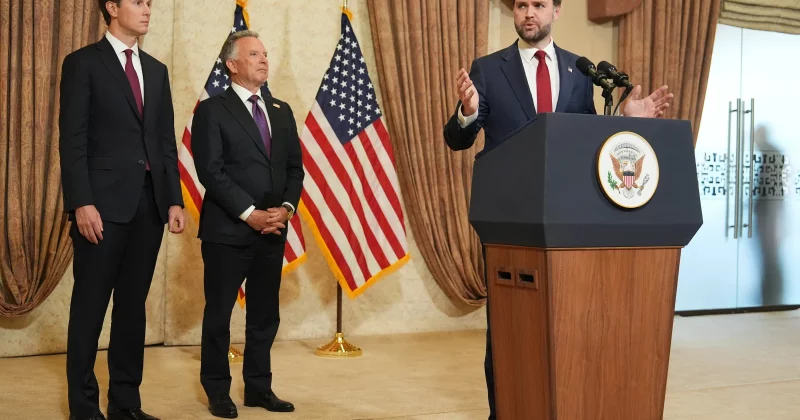
Iran says US proposal narrows gaps in ceasefire negotiations, and crypto markets are paying attention
Bitcoin's recent rally to $83K has been closely tied to optimism around US-Iran peace talks, while hundreds of millions in Iranian-linked digital assets remain frozen.
Iran has acknowledged that the latest US proposal has partially bridged the divide between the two sides, as fragile ceasefire talks inch toward something resembling a real peace deal. The negotiations, facilitated through Pakistan, represent the most substantive diplomatic engagement between Washington and Tehran in years.
Bitcoin’s geopolitical trade
Bitcoin climbed to between $82,000 and $83,000 in early May 2026, fueled in large part by investor optimism around a potential US-Iran memorandum of understanding. The prospect of a reopened Strait of Hormuz, through which roughly a fifth of the world’s oil supply flows, sent a clear signal to risk assets: the geopolitical premium might be shrinking.
When talks appeared to stall in mid-May, Bitcoin and equity futures both declined while oil prices climbed. The pattern is straightforward. Progress in peace talks reduces the geopolitical risk premium on energy, which eases inflation fears, which makes investors more willing to park capital in risk-on assets like crypto. Stalled talks reverse the entire chain.
The May 20-21 round of negotiations now represents a critical inflection point. Iran’s public statement that gaps are narrowing is the kind of diplomatic language that, while measured, tends to correlate with genuine progress rather than performative optimism.
The sanctions enforcement angle
Between April and May 2026, the US Treasury and OFAC froze between $344 million and $500 million in digital assets linked to Iranian entities. Iran’s cryptocurrency ecosystem had grown to approximately $7.7 to $7.8 billion in transaction volume by late 2025, making it a significant shadow financial system using digital currencies to route around international sanctions.
Macro, rates, and crypto—what moved markets and what matters next.
Daily. Free. Join 34,000+ readers across crypto, finance, and policy.
This creates an awkward duality. The same geopolitical developments that could boost Bitcoin’s price through improved risk sentiment are also driving a crackdown on certain categories of crypto usage. A peace deal might reduce the incentive for Iranian entities to use crypto for sanctions evasion, but it won’t eliminate the regulatory infrastructure that’s been built to police it.
What this means for investors
For traders, the immediate implication is volatility clustering around negotiation dates. The mid-May stall that dragged down Bitcoin and equity futures simultaneously is a preview of what happens if talks collapse entirely. Conversely, a signed memorandum of understanding could trigger a significant relief rally across risk assets.
The freezing of Iranian digital assets highlights an underappreciated regulatory dimension. Enforcement actions targeting sanctions evasion can have collateral effects on liquidity and market infrastructure. Exchanges and protocols that inadvertently process sanctioned funds face serious legal exposure, and the compliance burden across the industry is only increasing.
The provenance of digital assets matters more than ever. Heightened sanctions enforcement means greater scrutiny on transaction histories and counterparty relationships. Due diligence isn’t just good practice. It’s becoming a prerequisite for participating in markets where geopolitics and crypto regulation are converging at speed.