
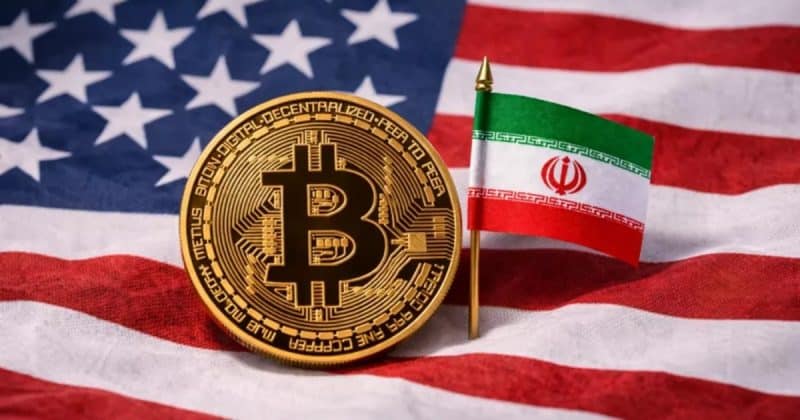
Iran and US sign ceasefire deal, triggering Bitcoin surge past $82K as geopolitical risk fades

Iran and US sign ceasefire deal, triggering Bitcoin surge past $82K as geopolitical risk fades

A 14-point memorandum of understanding extends the ceasefire for 60 days and opens nuclear negotiations, while crypto markets price in a calmer world

The United States and Iran have signed a preliminary 14-point memorandum of understanding aimed at extending their ceasefire, reopening the Strait of Hormuz for commercial shipping, and launching formal negotiations over Iran’s nuclear program. Bitcoin responded by surging past $82K to multi-month highs.

The MoU, signed on June 17, 2026, establishes a 60-day window of de-escalation during which the two sides will negotiate sanctions relief, nuclear enrichment limits, and Iran’s commitment to refrain from developing nuclear weapons. In exchange for those commitments, Iran gains partial sanctions relief and permission to resume certain oil exports.

What the deal actually says

The 14-point MoU does not mandate any immediate dismantling of Iran’s nuclear infrastructure. Instead, it kicks the hardest questions, enrichment levels and what happens with Iran’s existing uranium stockpile, into the negotiation window. The deal follows the 2026 Iran conflict and earlier ceasefires brokered in April 2026 under President Donald Trump.

Advertisement

The Strait of Hormuz reopening is arguably the most immediately consequential piece. The strait handles roughly a fifth of global oil transit, and its closure during the conflict sent energy prices spiraling.

Critics have been quick to point out what’s missing. No verification mechanisms for Iran’s nuclear commitments have been publicly detailed. The enriched uranium stockpile question remains unresolved.

Why crypto markets care about Middle East diplomacy

Bitcoin’s move past $82K, after fluctuating between $66K and $67K, represents one of the sharper geopolitically driven rallies in recent memory. A jump from the mid-$60K range to over $82K suggests that traders had been pricing in significant ongoing conflict risk, and the MoU signing released that pressure.

The broader crypto market followed Bitcoin’s lead, with risk-on sentiment spreading across digital assets.

What this means for investors

The reopening of the Strait of Hormuz should ease energy prices, which indirectly benefits crypto mining economics and broader market sentiment.

The issues on the table, uranium enrichment caps, stockpile disposition, and the scope of sanctions relief, are precisely the kind of problems that have torpedoed every previous US-Iran negotiation. Any sign that talks are stalling or that either side is walking back commitments could trigger rapid sell-offs.

Bitcoin’s recent price action has demonstrated that geopolitical headlines can move the market by five figures in either direction.

Disclosure: This article was edited by Editorial Team. For more information on how we create and review content, see our Editorial Policy.

Iran and US sign ceasefire deal, triggering Bitcoin surge past $82K as geopolitical risk fades

Iran and US sign ceasefire deal, triggering Bitcoin surge past $82K as geopolitical risk fades

A 14-point memorandum of understanding extends the ceasefire for 60 days and opens nuclear negotiations, while crypto markets price in a calmer world

The United States and Iran have signed a preliminary 14-point memorandum of understanding aimed at extending their ceasefire, reopening the Strait of Hormuz for commercial shipping, and launching formal negotiations over Iran’s nuclear program. Bitcoin responded by surging past $82K to multi-month highs.

The MoU, signed on June 17, 2026, establishes a 60-day window of de-escalation during which the two sides will negotiate sanctions relief, nuclear enrichment limits, and Iran’s commitment to refrain from developing nuclear weapons. In exchange for those commitments, Iran gains partial sanctions relief and permission to resume certain oil exports.

What the deal actually says

The 14-point MoU does not mandate any immediate dismantling of Iran’s nuclear infrastructure. Instead, it kicks the hardest questions, enrichment levels and what happens with Iran’s existing uranium stockpile, into the negotiation window. The deal follows the 2026 Iran conflict and earlier ceasefires brokered in April 2026 under President Donald Trump.

Advertisement

The Strait of Hormuz reopening is arguably the most immediately consequential piece. The strait handles roughly a fifth of global oil transit, and its closure during the conflict sent energy prices spiraling.

Critics have been quick to point out what’s missing. No verification mechanisms for Iran’s nuclear commitments have been publicly detailed. The enriched uranium stockpile question remains unresolved.

Why crypto markets care about Middle East diplomacy

Bitcoin’s move past $82K, after fluctuating between $66K and $67K, represents one of the sharper geopolitically driven rallies in recent memory. A jump from the mid-$60K range to over $82K suggests that traders had been pricing in significant ongoing conflict risk, and the MoU signing released that pressure.

The broader crypto market followed Bitcoin’s lead, with risk-on sentiment spreading across digital assets.

What this means for investors

The reopening of the Strait of Hormuz should ease energy prices, which indirectly benefits crypto mining economics and broader market sentiment.

The issues on the table, uranium enrichment caps, stockpile disposition, and the scope of sanctions relief, are precisely the kind of problems that have torpedoed every previous US-Iran negotiation. Any sign that talks are stalling or that either side is walking back commitments could trigger rapid sell-offs.

Bitcoin’s recent price action has demonstrated that geopolitical headlines can move the market by five figures in either direction.

Disclosure: This article was edited by Editorial Team. For more information on how we create and review content, see our Editorial Policy.