
Iran and US reach 60-day ceasefire, reshaping energy security landscape

Iran and US reach 60-day ceasefire, reshaping energy security landscape

The memorandum of understanding reopens the Strait of Hormuz and sends ripple effects through oil and crypto markets alike

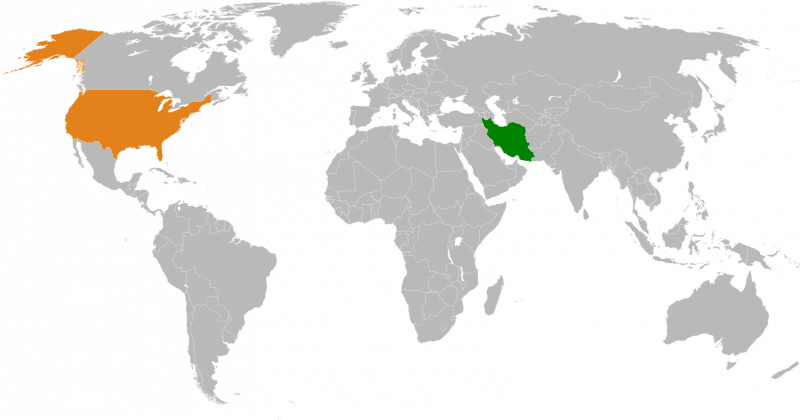
The US and Iran have signed a memorandum of understanding extending their ceasefire for an additional 60 days. The MOU, electronically signed around June 17 by US President Donald Trump and Iranian President Masoud Pezeshkian, builds on an initial truce reached back in April 2026. The centerpiece: reopening the Strait of Hormuz for commercial shipping, a chokepoint that carries roughly 20% of the world’s oil supply.

What the Strait means for everything

US naval blockades during the conflict had effectively choked one of the most critical shipping lanes on the planet. Regional energy infrastructure, including Qatar’s LNG facilities, sustained hits during the hostilities. Reconstruction costs are now estimated to exceed $25 billion.

Advertisement

Oil markets responded to earlier truce signals with relief. Brent and WTI crude both declined more than 15% after the initial April ceasefire announcement, unwinding the geopolitical risk premium that had been baked into prices.

Crypto’s geopolitical trade

Bitcoin responded to the ceasefire news by surging above $65,000, with prices peaking near $72,000 during the associated news cycle.

During the height of tensions, Iran reportedly explored using cryptocurrency payments for transit fees through the Strait of Hormuz. The US seized approximately $450 million in Iranian crypto assets as part of sanctions enforcement operations.

What this means for investors

For energy market participants, reopening the Strait of Hormuz eases supply constraints that had been inflating prices. The $25 billion-plus infrastructure rebuild creates a secondary investment theme: companies involved in LNG facility reconstruction and energy infrastructure hardening stand to benefit from a wave of spending that will take years to play out.

The $450 million seizure of Iranian crypto assets also introduces a variable that’s easy to overlook. When and how those assets are liquidated, or whether they’re held indefinitely, can meaningfully impact market supply dynamics. The US Marshals Service has historically auctioned seized crypto in large blocks, and a sale of that magnitude would not go unnoticed by the market.

Disclosure: This article was edited by Editorial Team. For more information on how we create and review content, see our Editorial Policy.

Iran and US reach 60-day ceasefire, reshaping energy security landscape

Iran and US reach 60-day ceasefire, reshaping energy security landscape

The memorandum of understanding reopens the Strait of Hormuz and sends ripple effects through oil and crypto markets alike

The US and Iran have signed a memorandum of understanding extending their ceasefire for an additional 60 days. The MOU, electronically signed around June 17 by US President Donald Trump and Iranian President Masoud Pezeshkian, builds on an initial truce reached back in April 2026. The centerpiece: reopening the Strait of Hormuz for commercial shipping, a chokepoint that carries roughly 20% of the world’s oil supply.

What the Strait means for everything

US naval blockades during the conflict had effectively choked one of the most critical shipping lanes on the planet. Regional energy infrastructure, including Qatar’s LNG facilities, sustained hits during the hostilities. Reconstruction costs are now estimated to exceed $25 billion.

Advertisement

Oil markets responded to earlier truce signals with relief. Brent and WTI crude both declined more than 15% after the initial April ceasefire announcement, unwinding the geopolitical risk premium that had been baked into prices.

Crypto’s geopolitical trade

Bitcoin responded to the ceasefire news by surging above $65,000, with prices peaking near $72,000 during the associated news cycle.

During the height of tensions, Iran reportedly explored using cryptocurrency payments for transit fees through the Strait of Hormuz. The US seized approximately $450 million in Iranian crypto assets as part of sanctions enforcement operations.

What this means for investors

For energy market participants, reopening the Strait of Hormuz eases supply constraints that had been inflating prices. The $25 billion-plus infrastructure rebuild creates a secondary investment theme: companies involved in LNG facility reconstruction and energy infrastructure hardening stand to benefit from a wave of spending that will take years to play out.

The $450 million seizure of Iranian crypto assets also introduces a variable that’s easy to overlook. When and how those assets are liquidated, or whether they’re held indefinitely, can meaningfully impact market supply dynamics. The US Marshals Service has historically auctioned seized crypto in large blocks, and a sale of that magnitude would not go unnoticed by the market.

Disclosure: This article was edited by Editorial Team. For more information on how we create and review content, see our Editorial Policy.