
Nexo Earn with Nexo
Iran, US, and Pakistan signal progress on ceasefire extension as Bitcoin rallies past $75K

Iran, US, and Pakistan signal progress on ceasefire extension as Bitcoin rallies past $75K

Pakistan's mediation efforts appear to be paying off as an indefinite ceasefire extension eases geopolitical risk, sending crypto markets sharply higher.

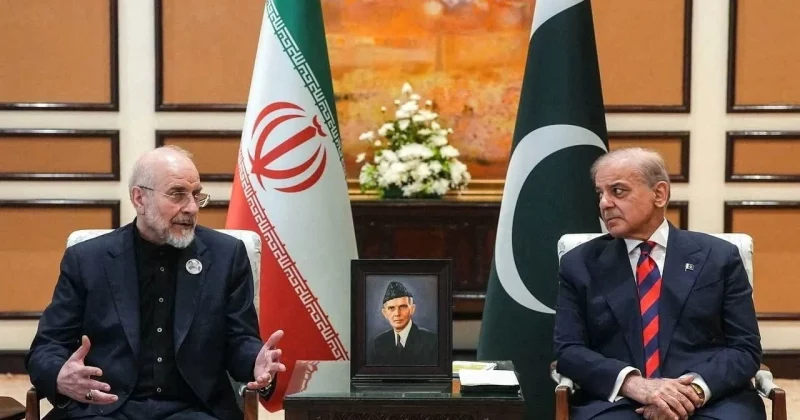
The seven-week shooting war between the United States and Iran may be cooling into something resembling diplomacy. Officials from all three key parties, the US, Iran, and Pakistan, have signaled meaningful progress toward extending the ceasefire that first took hold on April 8.

For crypto markets, the implications landed immediately. Bitcoin surged past $75,000 on the news and has been hovering near $78,000 since, as traders priced in a world with slightly less geopolitical chaos.

From two weeks to indefinite

The original ceasefire was structured as a two-week pause, a diplomatic pressure valve after weeks of escalating military engagement between Washington and Tehran that began in early 2026. On April 21, President Donald Trump announced an indefinite extension of that truce.

The extension came at Pakistan’s request. Prime Minister Shehbaz Sharif has positioned Islamabad as the essential mediator in a conflict that directly threatens Pakistan’s regional stability and economic interests. The logic behind stretching the timeline: give Iranian officials enough room to put together a comprehensive diplomatic proposal rather than rushing negotiations under an arbitrary deadline.

Advertisement

Iran’s Foreign Minister Abbas Araghchi has been the primary diplomatic interlocutor on Tehran’s side.

Critical sticking points remain, particularly around access to the Strait of Hormuz for oil tankers. That narrow waterway handles roughly a fifth of global petroleum consumption, so disagreements over transit rights aren’t exactly a minor footnote.

Further short-term extensions may be needed as negotiators work through those issues.

Why crypto cares about a war in the Persian Gulf

Iran has reportedly been exploring the idea of accepting Bitcoin as payment for transit fees through the Strait of Hormuz. In English: a sovereign nation under heavy sanctions is looking at cryptocurrency as a workaround for moving value across borders when traditional financial rails are blocked.

This isn’t entirely new territory. Iran has previously experimented with crypto mining and digital asset frameworks as ways to circumvent US-led financial restrictions. But proposing Bitcoin-denominated transit fees for one of the world’s most strategically important shipping lanes would represent a significant escalation in state-level crypto adoption.

What this means for investors

The rally from the ceasefire news has been broad-based. Ether and Solana have shown correlated upward movement alongside Bitcoin, suggesting this isn’t just a Bitcoin-specific story but a broader risk-on shift across digital assets.

Energy markets add another layer. Oil prices have been extremely sensitive to every development in the conflict, spiking during periods of uncertainty and retreating on ceasefire news. Because energy costs feed into inflation expectations, which feed into central bank policy, which feeds into liquidity conditions for risk assets, the chain of causation from Persian Gulf diplomacy to your crypto portfolio is shorter than it might seem.

Pakistan’s mediating role is worth watching closely. Islamabad has genuine leverage with both sides, geographic proximity to Iran, a working relationship with Washington, and strong economic incentives to prevent regional destabilization.

Disclosure: This article was edited by Editorial Team. For more information on how we create and review content, see our Editorial Policy.

Iran, US, and Pakistan signal progress on ceasefire extension as Bitcoin rallies past $75K

Iran, US, and Pakistan signal progress on ceasefire extension as Bitcoin rallies past $75K

Pakistan's mediation efforts appear to be paying off as an indefinite ceasefire extension eases geopolitical risk, sending crypto markets sharply higher.

The seven-week shooting war between the United States and Iran may be cooling into something resembling diplomacy. Officials from all three key parties, the US, Iran, and Pakistan, have signaled meaningful progress toward extending the ceasefire that first took hold on April 8.

For crypto markets, the implications landed immediately. Bitcoin surged past $75,000 on the news and has been hovering near $78,000 since, as traders priced in a world with slightly less geopolitical chaos.

From two weeks to indefinite

The original ceasefire was structured as a two-week pause, a diplomatic pressure valve after weeks of escalating military engagement between Washington and Tehran that began in early 2026. On April 21, President Donald Trump announced an indefinite extension of that truce.

The extension came at Pakistan’s request. Prime Minister Shehbaz Sharif has positioned Islamabad as the essential mediator in a conflict that directly threatens Pakistan’s regional stability and economic interests. The logic behind stretching the timeline: give Iranian officials enough room to put together a comprehensive diplomatic proposal rather than rushing negotiations under an arbitrary deadline.

Advertisement

Iran’s Foreign Minister Abbas Araghchi has been the primary diplomatic interlocutor on Tehran’s side.

Critical sticking points remain, particularly around access to the Strait of Hormuz for oil tankers. That narrow waterway handles roughly a fifth of global petroleum consumption, so disagreements over transit rights aren’t exactly a minor footnote.

Further short-term extensions may be needed as negotiators work through those issues.

Why crypto cares about a war in the Persian Gulf

Iran has reportedly been exploring the idea of accepting Bitcoin as payment for transit fees through the Strait of Hormuz. In English: a sovereign nation under heavy sanctions is looking at cryptocurrency as a workaround for moving value across borders when traditional financial rails are blocked.

This isn’t entirely new territory. Iran has previously experimented with crypto mining and digital asset frameworks as ways to circumvent US-led financial restrictions. But proposing Bitcoin-denominated transit fees for one of the world’s most strategically important shipping lanes would represent a significant escalation in state-level crypto adoption.

What this means for investors

The rally from the ceasefire news has been broad-based. Ether and Solana have shown correlated upward movement alongside Bitcoin, suggesting this isn’t just a Bitcoin-specific story but a broader risk-on shift across digital assets.

Energy markets add another layer. Oil prices have been extremely sensitive to every development in the conflict, spiking during periods of uncertainty and retreating on ceasefire news. Because energy costs feed into inflation expectations, which feed into central bank policy, which feeds into liquidity conditions for risk assets, the chain of causation from Persian Gulf diplomacy to your crypto portfolio is shorter than it might seem.

Pakistan’s mediating role is worth watching closely. Islamabad has genuine leverage with both sides, geographic proximity to Iran, a working relationship with Washington, and strong economic incentives to prevent regional destabilization.

Disclosure: This article was edited by Editorial Team. For more information on how we create and review content, see our Editorial Policy.