
Iran and US establish communication line in Strait of Hormuz, easing pressure on oil markets

Iran and US establish communication line in Strait of Hormuz, easing pressure on oil markets

The agreement, part of a 14-point memorandum brokered in Switzerland, aims to prevent maritime incidents in the world's most critical oil chokepoint

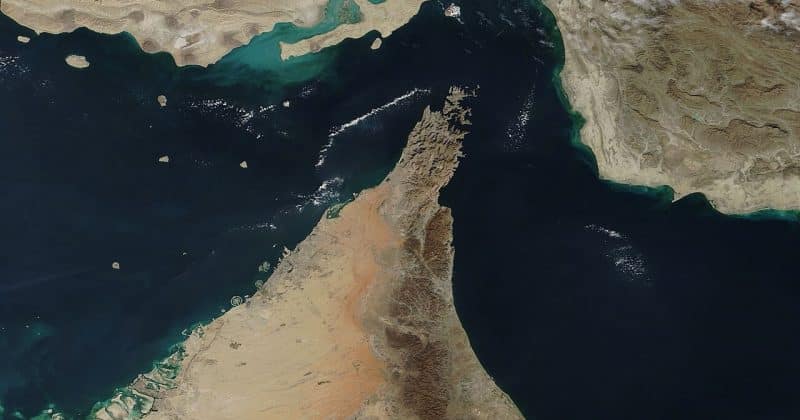
The United States and Iran have opened a direct communication line in the Strait of Hormuz, the narrow waterway through which roughly one-fifth of the world’s oil supply passes every day.

The announcement came on June 22, following negotiations in Burgenstock, Switzerland, mediated by Qatar and Pakistan. The communication channel is part of a broader 14-point Memorandum of Understanding covering Iran’s nuclear program and regional security concerns.

What the deal actually covers

The core purpose of the communication line is straightforward: prevent maritime incidents and miscommunication in one of the planet’s most strategically sensitive waterways.

Advertisement

Iranian Parliament Speaker Mohammad Bagher Ghalibaf confirmed that the Strait will remain under Iranian administration, but governance will adhere to international laws.

For context on how tense things had gotten before this agreement, the US assisted approximately 70 ships in navigating the Strait in late May 2026 alone, stepping in to mitigate risks that were making commercial shipping operators increasingly nervous.

Why this waterway matters more than almost any other

The Strait of Hormuz is not just another shipping lane. It is the single most important chokepoint in global energy markets. Roughly 20% of the world’s oil supply moves through this 21-mile-wide passage between Iran and Oman.

The mediation by Qatar and Pakistan is also worth noting. Qatar, a major LNG exporter with deep ties to both Washington and Tehran, has long positioned itself as a regional intermediary. Pakistan, which shares a border with Iran and maintains complex diplomatic relationships across the Middle East, brought its own credibility to the table. Burgenstock, Switzerland, provided neutral ground.

What this means for investors

The 14-point MoU framework also deserves attention. If the nuclear and regional security provisions hold, the diplomatic thaw could eventually lead to discussions around sanctions relief, which would have far more dramatic implications for global oil supply. Iran sits on the world’s fourth-largest proven oil reserves.

For crypto markets specifically, there is no direct connection to this agreement. Earlier discussions in 2026 had floated the idea of transit fees potentially being payable in various currencies including yuan, but the communication line deal itself contains no digital asset component.

Traders should monitor whether the late May pattern of US-assisted naval transits continues or tapers off. A reduction in military escort activity would signal that the communication line is functioning as intended.

Disclosure: This article was edited by Editorial Team. For more information on how we create and review content, see our Editorial Policy.

Iran and US establish communication line in Strait of Hormuz, easing pressure on oil markets

Iran and US establish communication line in Strait of Hormuz, easing pressure on oil markets

The agreement, part of a 14-point memorandum brokered in Switzerland, aims to prevent maritime incidents in the world's most critical oil chokepoint

The United States and Iran have opened a direct communication line in the Strait of Hormuz, the narrow waterway through which roughly one-fifth of the world’s oil supply passes every day.

The announcement came on June 22, following negotiations in Burgenstock, Switzerland, mediated by Qatar and Pakistan. The communication channel is part of a broader 14-point Memorandum of Understanding covering Iran’s nuclear program and regional security concerns.

What the deal actually covers

The core purpose of the communication line is straightforward: prevent maritime incidents and miscommunication in one of the planet’s most strategically sensitive waterways.

Advertisement

Iranian Parliament Speaker Mohammad Bagher Ghalibaf confirmed that the Strait will remain under Iranian administration, but governance will adhere to international laws.

For context on how tense things had gotten before this agreement, the US assisted approximately 70 ships in navigating the Strait in late May 2026 alone, stepping in to mitigate risks that were making commercial shipping operators increasingly nervous.

Why this waterway matters more than almost any other

The Strait of Hormuz is not just another shipping lane. It is the single most important chokepoint in global energy markets. Roughly 20% of the world’s oil supply moves through this 21-mile-wide passage between Iran and Oman.

The mediation by Qatar and Pakistan is also worth noting. Qatar, a major LNG exporter with deep ties to both Washington and Tehran, has long positioned itself as a regional intermediary. Pakistan, which shares a border with Iran and maintains complex diplomatic relationships across the Middle East, brought its own credibility to the table. Burgenstock, Switzerland, provided neutral ground.

What this means for investors

The 14-point MoU framework also deserves attention. If the nuclear and regional security provisions hold, the diplomatic thaw could eventually lead to discussions around sanctions relief, which would have far more dramatic implications for global oil supply. Iran sits on the world’s fourth-largest proven oil reserves.

For crypto markets specifically, there is no direct connection to this agreement. Earlier discussions in 2026 had floated the idea of transit fees potentially being payable in various currencies including yuan, but the communication line deal itself contains no digital asset component.

Traders should monitor whether the late May pattern of US-assisted naval transits continues or tapers off. A reduction in military escort activity would signal that the communication line is functioning as intended.

Disclosure: This article was edited by Editorial Team. For more information on how we create and review content, see our Editorial Policy.