
Iran claims it shot down a US drone near Bandar Abbas as Gulf tensions rattle markets

Iran claims it shot down a US drone near Bandar Abbas as Gulf tensions rattle markets

Military escalation in the Strait of Hormuz raises the specter of oil supply disruptions, and crypto markets are watching closely

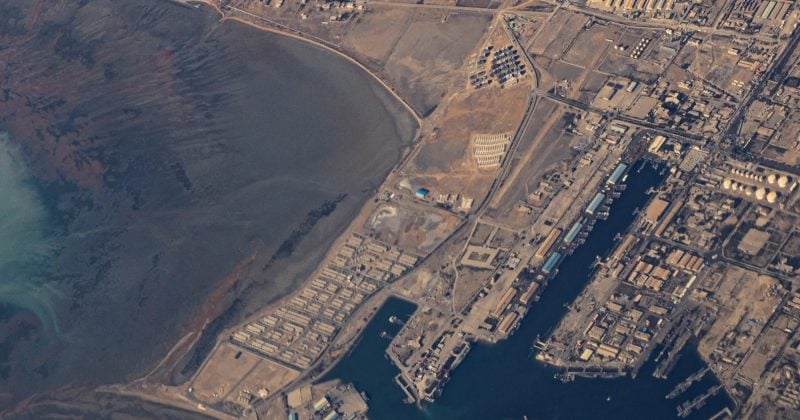
Iran’s army announced on July 13 that its naval air defense units intercepted and destroyed what it described as a “Lucas-type” American drone over Bandar Abbas County in Hormozgan province. The claim, reported through Iran’s Mehr News Agency, came just one day after the US reportedly deployed sea drones in their first combat operation targeting the Bandar Abbas naval base.

US officials have not confirmed the Iranian claim.

What happened near Bandar Abbas

Bandar Abbas sits at the mouth of the Strait of Hormuz, the narrow waterway through which a massive share of global crude oil passes daily.

Advertisement

Iran’s military said its air defense systems detected and destroyed the American drone during heightened defense operations in the region. The “Lucas-type” designation hasn’t been widely corroborated by independent defense analysts.

Around July 12, the US allegedly used sea drones for their first combat operation against the Bandar Abbas naval base, striking key facilities.

A pattern with historical echoes

In late 2011, Iran captured a US RQ-170 Sentinel drone, a stealth unmanned aircraft that Tehran said it brought down through electronic warfare. That incident was eventually confirmed by US officials. Iran later reverse-engineered aspects of the captured Sentinel, according to its own claims.

Why crypto traders should care about a drone in the Gulf

Military escalation near the Strait of Hormuz directly threatens global oil supply chains. When oil prices spike on geopolitical risk, the ripple effects hit every corner of global finance. Energy costs rise, inflation expectations shift, and central banks recalibrate their policy stances.

Oil price shocks historically strengthen the US dollar in the short term as energy is priced in dollars, and a stronger dollar typically creates headwinds for Bitcoin.

In regions directly affected by conflict and sanctions, stablecoin usage tends to surge as populations seek dollar-denominated stores of value outside traditional banking channels. Iran itself has seen significant crypto adoption driven partly by sanctions pressure.

Disclosure: This article was edited by Editorial Team. For more information on how we create and review content, see our Editorial Policy.

Iran claims it shot down a US drone near Bandar Abbas as Gulf tensions rattle markets

Iran claims it shot down a US drone near Bandar Abbas as Gulf tensions rattle markets

Military escalation in the Strait of Hormuz raises the specter of oil supply disruptions, and crypto markets are watching closely

Iran’s army announced on July 13 that its naval air defense units intercepted and destroyed what it described as a “Lucas-type” American drone over Bandar Abbas County in Hormozgan province. The claim, reported through Iran’s Mehr News Agency, came just one day after the US reportedly deployed sea drones in their first combat operation targeting the Bandar Abbas naval base.

US officials have not confirmed the Iranian claim.

What happened near Bandar Abbas

Bandar Abbas sits at the mouth of the Strait of Hormuz, the narrow waterway through which a massive share of global crude oil passes daily.

Advertisement

Iran’s military said its air defense systems detected and destroyed the American drone during heightened defense operations in the region. The “Lucas-type” designation hasn’t been widely corroborated by independent defense analysts.

Around July 12, the US allegedly used sea drones for their first combat operation against the Bandar Abbas naval base, striking key facilities.

A pattern with historical echoes

In late 2011, Iran captured a US RQ-170 Sentinel drone, a stealth unmanned aircraft that Tehran said it brought down through electronic warfare. That incident was eventually confirmed by US officials. Iran later reverse-engineered aspects of the captured Sentinel, according to its own claims.

Why crypto traders should care about a drone in the Gulf

Military escalation near the Strait of Hormuz directly threatens global oil supply chains. When oil prices spike on geopolitical risk, the ripple effects hit every corner of global finance. Energy costs rise, inflation expectations shift, and central banks recalibrate their policy stances.

Oil price shocks historically strengthen the US dollar in the short term as energy is priced in dollars, and a stronger dollar typically creates headwinds for Bitcoin.

In regions directly affected by conflict and sanctions, stablecoin usage tends to surge as populations seek dollar-denominated stores of value outside traditional banking channels. Iran itself has seen significant crypto adoption driven partly by sanctions pressure.

Disclosure: This article was edited by Editorial Team. For more information on how we create and review content, see our Editorial Policy.