Nexo Earn with Nexo
Iran and US draft deal to reopen Strait of Hormuz, end naval blockade

Iran and US draft deal to reopen Strait of Hormuz, end naval blockade

An unofficial memorandum of understanding could restore commercial shipping through the world's most critical oil chokepoint within 30 days.

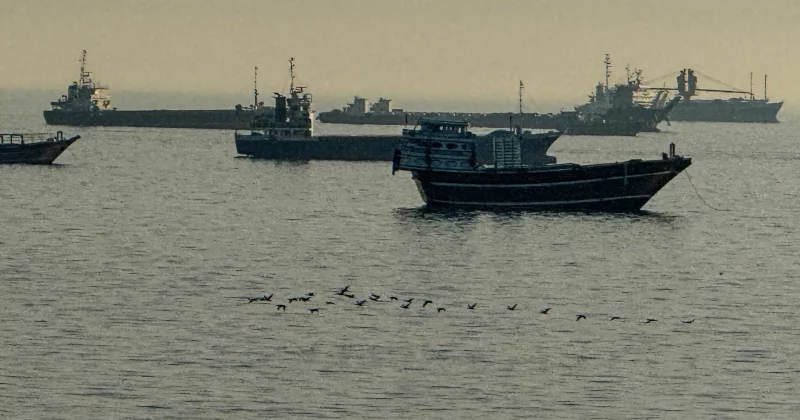
The Strait of Hormuz, the narrow waterway through which roughly a fifth of the world’s oil supply passes on any given day, may be about to reopen for business. Iranian state TV reported that Tehran has secured an unofficial draft memorandum of understanding with the US that would restore commercial shipping to pre-war levels and end the American naval blockade of Iranian ports.

If this holds, it would mark the most significant de-escalation in the 2026 Iran conflict to date. Oil markets are already reacting, with prices dropping on reduced expectations of prolonged supply disruption.

What the draft deal actually says

The framework is essentially a swap. Iran agrees to remove its own restrictions on shipping through Hormuz, allowing cargo traffic to ramp back up. In return, the US lifts its naval blockade and pulls certain naval forces away from Iran’s vicinity.

The US naval blockade was implemented on April 13, 2026, after diplomatic talks aimed at resolving the broader conflict broke down.

Advertisement

Under the draft MoU, commercial shipping would return to pre-war levels within approximately 30 days.

The draft addresses shipping management by placing Iranian and Omani authorities in charge of overseeing shipping flows. Oman has long served as a quiet diplomatic intermediary between Tehran and Washington, and giving Muscat a formal role in managing the strait suggests both sides wanted a neutral-ish party involved.

The deal also includes a 60-day window to negotiate thornier issues, most notably Iran’s nuclear program.

Why oil markets moved immediately

News of the draft MoU triggered a decline in oil prices almost immediately, reflecting traders’ recalculation of supply disruption risk.

What this means for investors

A draft MoU reported by Iranian state TV is not the same thing as a signed agreement. The US has not publicly confirmed these details, which means there’s a meaningful gap between what Tehran is broadcasting and what Washington is willing to put on the record.

The 60-day negotiation window for nuclear discussions is where the real risk of derailment lives. If those talks stall or fail, the shipping agreement could unravel with them.

The key variable to watch is whether Washington confirms any version of this framework. A unilateral announcement from Iranian state media carries a very different weight than a joint statement.

The 30-day timeline for restoring shipping creates a natural checkpoint. If commercial traffic through Hormuz begins increasing in the coming weeks, that’s tangible confirmation the deal has legs.

Disclosure: This article was edited by Editorial Team. For more information on how we create and review content, see our Editorial Policy.

Iran and US draft deal to reopen Strait of Hormuz, end naval blockade

Iran and US draft deal to reopen Strait of Hormuz, end naval blockade

An unofficial memorandum of understanding could restore commercial shipping through the world's most critical oil chokepoint within 30 days.

The Strait of Hormuz, the narrow waterway through which roughly a fifth of the world’s oil supply passes on any given day, may be about to reopen for business. Iranian state TV reported that Tehran has secured an unofficial draft memorandum of understanding with the US that would restore commercial shipping to pre-war levels and end the American naval blockade of Iranian ports.

If this holds, it would mark the most significant de-escalation in the 2026 Iran conflict to date. Oil markets are already reacting, with prices dropping on reduced expectations of prolonged supply disruption.

What the draft deal actually says

The framework is essentially a swap. Iran agrees to remove its own restrictions on shipping through Hormuz, allowing cargo traffic to ramp back up. In return, the US lifts its naval blockade and pulls certain naval forces away from Iran’s vicinity.

The US naval blockade was implemented on April 13, 2026, after diplomatic talks aimed at resolving the broader conflict broke down.

Advertisement

Under the draft MoU, commercial shipping would return to pre-war levels within approximately 30 days.

The draft addresses shipping management by placing Iranian and Omani authorities in charge of overseeing shipping flows. Oman has long served as a quiet diplomatic intermediary between Tehran and Washington, and giving Muscat a formal role in managing the strait suggests both sides wanted a neutral-ish party involved.

The deal also includes a 60-day window to negotiate thornier issues, most notably Iran’s nuclear program.

Why oil markets moved immediately

News of the draft MoU triggered a decline in oil prices almost immediately, reflecting traders’ recalculation of supply disruption risk.

What this means for investors

A draft MoU reported by Iranian state TV is not the same thing as a signed agreement. The US has not publicly confirmed these details, which means there’s a meaningful gap between what Tehran is broadcasting and what Washington is willing to put on the record.

The 60-day negotiation window for nuclear discussions is where the real risk of derailment lives. If those talks stall or fail, the shipping agreement could unravel with them.

The key variable to watch is whether Washington confirms any version of this framework. A unilateral announcement from Iranian state media carries a very different weight than a joint statement.

The 30-day timeline for restoring shipping creates a natural checkpoint. If commercial traffic through Hormuz begins increasing in the coming weeks, that’s tangible confirmation the deal has legs.

Disclosure: This article was edited by Editorial Team. For more information on how we create and review content, see our Editorial Policy.