
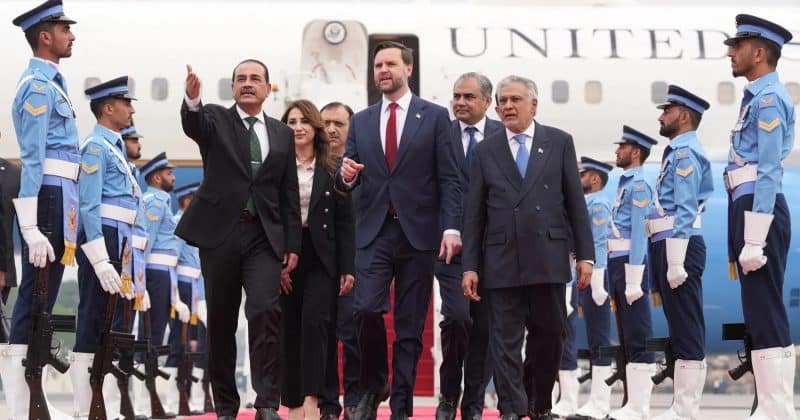
Iranian negotiators report progress in US peace talks, boosting Asian markets
A 60-day roadmap for a nuclear deal sent Asian equities higher and oil prices lower, while US sanctions on Iran's largest crypto exchange add a wrinkle for digital asset markets
Peace talks between Iran and the United States appear to be gaining real traction, and global markets are responding accordingly. Asian share markets climbed on June 22 after mediators described the latest round of negotiations, held in Switzerland, as a breakthrough moment that produced an actual roadmap for a deal.
The agreement sets a 60-day window to hammer out details on nuclear issues, sanctions relief, and security around the Strait of Hormuz. Brent crude prices softened in response.
What happened in Switzerland
Qatar and Pakistan, acting as mediators, reported what they called “encouraging progress” following discussions on June 21-22. Iranian Foreign Minister Abbas Araghchi went further, claiming “major progress” specifically on the Lebanon conflict.
The framework that emerged includes mechanisms to mitigate military conflicts in Lebanon and establish communication lines concerning the Strait of Hormuz.
These talks build on a 14-point memorandum established earlier in June 2026. That document laid the groundwork for negotiations focused on Iran’s nuclear program, potential sanctions relief, and maritime security.
A temporary ceasefire announced in April 2026 set the stage, with the path from ceasefire to actual peace framework involving multiple rounds of negotiations dating back to April 2025.
The news moving money, markets, and the world—before your day starts.
Daily. Free. Join 34,000+ readers across crypto, finance, and policy.
Markets respond to de-escalation
Asian markets moved higher across the board, while Brent crude prices declined as the prospect of a stable Strait of Hormuz reduced the risk premium baked into energy prices.
Roughly a fifth of the world’s oil supply passes through the Strait of Hormuz. Any agreement that reduces the chance of military disruption there has immediate and measurable effects on global energy pricing.
The crypto angle: Nobitex sanctions complicate the picture
On June 2, 2026, the US sanctioned Nobitex, Iran’s largest cryptocurrency exchange, over allegations that it facilitated transactions for sanctioned Iranian entities tied to the Islamic Revolutionary Guard Corps.
Iran has historically turned to digital assets as a tool for navigating international sanctions. The Nobitex action suggests the US isn’t willing to let that channel remain open, regardless of how peace talks progress.
The 60-day negotiation window means markets will be watching closely through late August. If talks produce a substantive nuclear agreement with sanctions relief, the implications for oil markets could be significant, potentially bringing Iranian crude back onto the global market in larger quantities.