
 Earn with Nexo

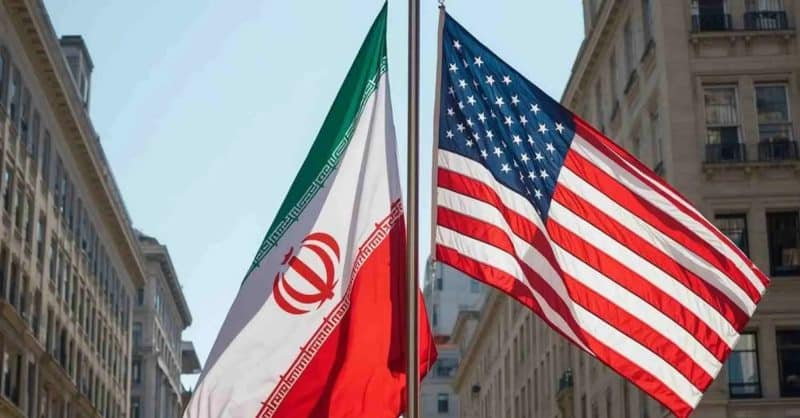
Iran and the U.S. have resumed negotiations after a meeting between Iranian officials and U.S. Vice President JD Vance in Islamabad, the first engagement at this level since 1979. Markets for a U.S.-Iran ceasefire by April 15 and beyond are all at
## Market reaction
The ceasefire market isn’t moving because it’s already priced for peace. The April 15 and April 30 sub-markets remain static at 100% YES, reflecting expectations that recent diplomatic efforts have effectively guaranteed a cessation of hostilities. The market for a permanent peace deal by April 22 doesn’t have odds listed, though the involvement of Vice President Vance could draw interest.
## Why it matters
With zero trading volume reported, the ceasefire market’s flat term structure suggests traders believe the diplomatic course is locked in. The Islamabad meetings, while the first at this level in over four decades, might not yet translate into tangible actions like a signed deal or sanctions relief, which are what would actually move the peace deal market.
## What to watch
For traders, this meeting is more smoke than fire. At 100% YES, there’s no upside for new positions unless something unexpected happens: a breakdown in talks or a resurgence of military activity. The lack of movement in odds means current negotiations haven’t introduced new risks or opportunities in the ceasefire contracts.
Watch for announcements from the White House or Iranian media, particularly around sanctions relief or a formal peace deal. If these talks produce a concrete outcome, the currently flatlined markets could see activity.
Get prediction market intelligence as a structured API feed. Early access waitlist.