
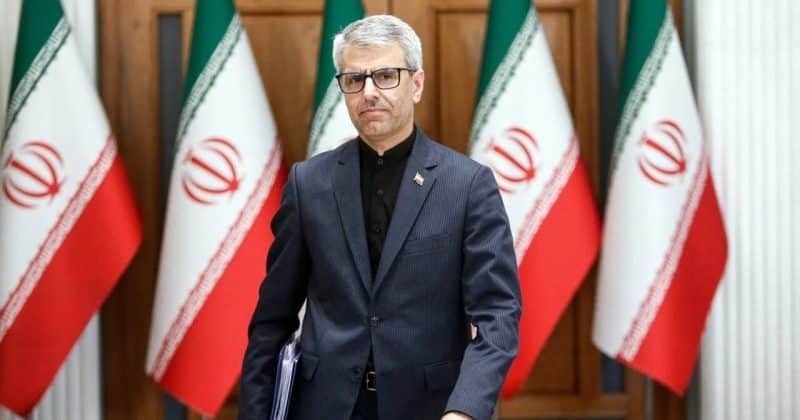
Iran claims US committed not to impose new sanctions during nuclear talks
A draft memorandum of understanding reported by Tasnim News Agency outlines sanctions freezes, oil waivers, and frozen asset discussions between Tehran and Washington.
Iran’s state-affiliated Tasnim News Agency reported that the United States has committed to not imposing any new sanctions while negotiations between the two countries continue. The claim, tied to a draft memorandum of understanding reported on May 29, 2026, represents one of the more concrete developments in a diplomatic process that has lurched between cautious optimism and mutual suspicion for years.
What the draft MoU reportedly includes
The proposed agreement goes well beyond a simple sanctions pause. According to Tasnim’s reporting, the draft MoU includes a temporary waiver of sanctions on Iran’s oil sector during the negotiation window. The document also reportedly addresses military dimensions. It outlines an end to hostilities in Lebanon, where regional tensions involving Israel have complicated the diplomatic landscape, and calls for lifting the naval blockade imposed by the United States.
The draft includes discussions surrounding the release of frozen Iranian assets, a perennial sticking point in US-Iran diplomacy. Tehran has made clear that partial asset releases must be satisfied before any formal deal can be reached.
President Donald Trump acknowledged progress in the discussions, though his comments appear to have done little to ease skepticism on the Iranian side. Iranian media outlets have highlighted ongoing disputes about the specifics of asset unfreezing and the extent of sanctions relief. No final agreement had been reached by early June 2026. Iran reportedly suspended some negotiation messages in response to developments in Lebanon.
Why this matters beyond diplomacy
A temporary waiver on oil sector sanctions during negotiations would give Iran a window to ramp up exports. For crude oil prices, this creates downward pressure. Lifting the naval blockade would ease shipping routes and reduce the risk premiums currently baked into maritime insurance for vessels operating near Iranian waters.
Macro, rates, and crypto—what moved markets and what matters next.
Daily. Free. Join 34,000+ readers across crypto, finance, and policy.
Iran has long claimed that billions of dollars in assets held in various countries remain inaccessible due to US sanctions enforcement. Any release, even partial, would give Tehran an immediate liquidity injection that could be directed toward domestic spending, military investments, or regional influence operations.
What crypto investors should watch
Cryptocurrency is conspicuously absent from these negotiations. There’s no mention of digital assets in the reported draft MoU, no discussion of Iran’s participation in crypto markets, and no apparent effort to address the role that decentralized finance might play in sanctions evasion or compliance. Both sides are focused on traditional channels: oil, shipping, banking, and diplomatic frameworks.
If sanctions relief leads to lower oil prices, cheaper energy reduces input costs for miners and lowers inflationary pressure broadly. The smart play is to track the oil market response as a leading indicator: if crude prices start moving on these reports, the market is telling you it believes the sanctions relief is real.