
## Market Snapshot
Strait of Hormuz Traffic: Priced at 0% YES for April 30 normalization, indicating no return to normal ship arrivals. Strait of Hormuz Traffic Normalization: Market pricing suggests low probability for June 30 normalization.
## Key Takeaways
– Market behavior suggests a significant decrease in shipping traffic through the Strait of Hormuz, consistent with the ongoing military standoff. – Current pricing indicates that participants view normalization of traffic by the end of April as unlikely. – The prolonged disruption of shipping may indicate sustained high energy prices, affecting multiple sectors, including luxury auto giants.
## Article Body
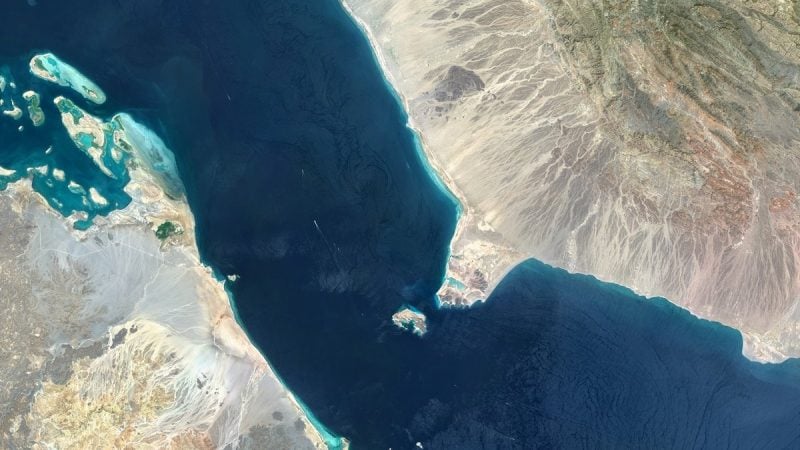
The recent escalation in the Strait of Hormuz between Iran and the United States has created significant disruptions in global shipping. The standoff, triggered by a breakdown in ceasefire talks and subsequent military actions, has led to a dramatic reduction in vessel traffic through the strait. This vital passage, responsible for approximately 25% of global seaborne oil trade, now sees only six vessels transiting daily, down from 129. The blockade and closure have pushed energy prices to potentially reach $150 per barrel, spurring fears of extended global supply chain disruptions. Luxury auto manufacturers, heavily reliant on stable shipping lanes for critical components, are among those facing significant challenges.
See what prediction markets are pricing into the day's biggest stories.
Daily. Free. Join 34,000+ readers across crypto, finance, and policy.
## Market Interpretation
The current market pricing is supportive of a NO outcome for the Strait of Hormuz traffic normalization by the end of April and suggests challenges for normalization by the end of June. The impact is classified as high, given the severe disruption to shipping traffic and energy markets. Market participants’ actions imply skepticism about a quick resolution to the conflict, which could prolong the current state of shipping disruption.
## What to Watch
Observers should monitor statements from key actors, including US President Donald Trump and Iranian officials, for any indications of de-escalation or further hostilities. The IMF Portwatch reports on ship arrivals and MarineTraffic data will be crucial indicators of any shifts in the shipping situation. Energy price movements and announcements from major insurers regarding war-risk premiums will also provide insights into the conflict’s broader economic impact.