
Nexo Earn with Nexo
Iran proposes framework to reopen Strait of Hormuz shipping, end US blockade

Iran proposes framework to reopen Strait of Hormuz shipping, end US blockade

A draft agreement mediated by Pakistan would extend the ceasefire 30 to 60 days and prioritize de-mining the strait, while a Bitcoin-settled maritime insurance platform quietly emerges from the chaos.

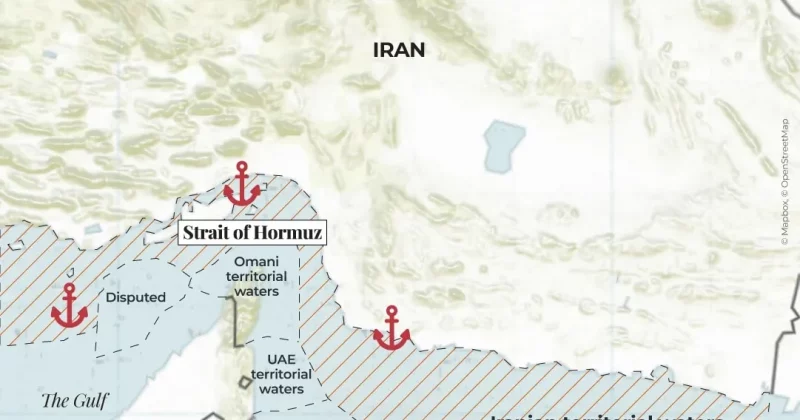
Iran and the US are negotiating a draft agreement to reopen commercial shipping through the Strait of Hormuz, the narrow waterway that handles roughly a fifth of the world’s daily oil supply. On May 23, President Trump said the deal was “largely negotiated.”

The framework, brokered through Pakistani mediators, would establish a 30-to-60-day memorandum of understanding. During that window, Iran would begin clearing mines from the strait and allow commercial vessels to transit toll-free, while the US would lift its naval blockade of Iranian ports. Nuclear talks, sanctions relief, and frozen assets are all deliberately pushed to later rounds of discussion.

How we got here

The current crisis traces back to February 28, 2026, when Iranian military strikes escalated tensions to a breaking point. Iran subsequently closed the Strait of Hormuz to commercial traffic. The US responded by enforcing a naval blockade of Iranian ports starting in mid-April, creating a standoff that effectively choked one of the most important shipping lanes on the planet.

Advertisement

The strait’s closure didn’t just affect oil. Liquefied natural gas, petrochemicals, and containerized cargo all flow through the same 21-mile-wide chokepoint between Iran and Oman.

The diplomatic channel running through Pakistan is notable in itself. Islamabad shares a border with Iran and maintains working relationships with both Tehran and Washington, making it one of the few governments capable of shuttling messages between two capitals that don’t talk directly.

The crypto angle no one expected

The crisis spawned a platform called Hormuz Safe, introduced in May 2026, which offers Bitcoin-settled maritime insurance. The platform is reportedly targeting $10 billion in revenues, positioning itself as a workaround for the sanctions-heavy environment that traditional insurers can’t or won’t touch.

Bitcoin itself has posted modest gains as the agreement framework emerged, coinciding with declining oil prices.

What this means for investors

For energy markets, even the announcement of a framework has the potential to ease spot prices. Traders have been pricing in disruption risk since late February, and any credible path to reopening the strait would deflate that premium.

The 30-to-60-day MOU timeline means markets will be watching for concrete de-mining operations and the first commercial transits as proof that words are turning into action. The harder conversations about Iran’s nuclear program and frozen assets loom on the other side of that window.

Disclosure: This article was edited by Editorial Team. For more information on how we create and review content, see our Editorial Policy.

Iran proposes framework to reopen Strait of Hormuz shipping, end US blockade

Iran proposes framework to reopen Strait of Hormuz shipping, end US blockade

A draft agreement mediated by Pakistan would extend the ceasefire 30 to 60 days and prioritize de-mining the strait, while a Bitcoin-settled maritime insurance platform quietly emerges from the chaos.

Iran and the US are negotiating a draft agreement to reopen commercial shipping through the Strait of Hormuz, the narrow waterway that handles roughly a fifth of the world’s daily oil supply. On May 23, President Trump said the deal was “largely negotiated.”

The framework, brokered through Pakistani mediators, would establish a 30-to-60-day memorandum of understanding. During that window, Iran would begin clearing mines from the strait and allow commercial vessels to transit toll-free, while the US would lift its naval blockade of Iranian ports. Nuclear talks, sanctions relief, and frozen assets are all deliberately pushed to later rounds of discussion.

How we got here

The current crisis traces back to February 28, 2026, when Iranian military strikes escalated tensions to a breaking point. Iran subsequently closed the Strait of Hormuz to commercial traffic. The US responded by enforcing a naval blockade of Iranian ports starting in mid-April, creating a standoff that effectively choked one of the most important shipping lanes on the planet.

Advertisement

The strait’s closure didn’t just affect oil. Liquefied natural gas, petrochemicals, and containerized cargo all flow through the same 21-mile-wide chokepoint between Iran and Oman.

The diplomatic channel running through Pakistan is notable in itself. Islamabad shares a border with Iran and maintains working relationships with both Tehran and Washington, making it one of the few governments capable of shuttling messages between two capitals that don’t talk directly.

The crypto angle no one expected

The crisis spawned a platform called Hormuz Safe, introduced in May 2026, which offers Bitcoin-settled maritime insurance. The platform is reportedly targeting $10 billion in revenues, positioning itself as a workaround for the sanctions-heavy environment that traditional insurers can’t or won’t touch.

Bitcoin itself has posted modest gains as the agreement framework emerged, coinciding with declining oil prices.

What this means for investors

For energy markets, even the announcement of a framework has the potential to ease spot prices. Traders have been pricing in disruption risk since late February, and any credible path to reopening the strait would deflate that premium.

The 30-to-60-day MOU timeline means markets will be watching for concrete de-mining operations and the first commercial transits as proof that words are turning into action. The harder conversations about Iran’s nuclear program and frozen assets loom on the other side of that window.

Disclosure: This article was edited by Editorial Team. For more information on how we create and review content, see our Editorial Policy.