
Nexo Earn with Nexo
Iran reveals two-stage framework for US talks on sanctions, nuclear program

Iran reveals two-stage framework for US talks on sanctions, nuclear program

Iranian FM Abbas Araghchi outlines phased approach starting with ceasefire and Strait of Hormuz measures, followed by nuclear and sanctions negotiations

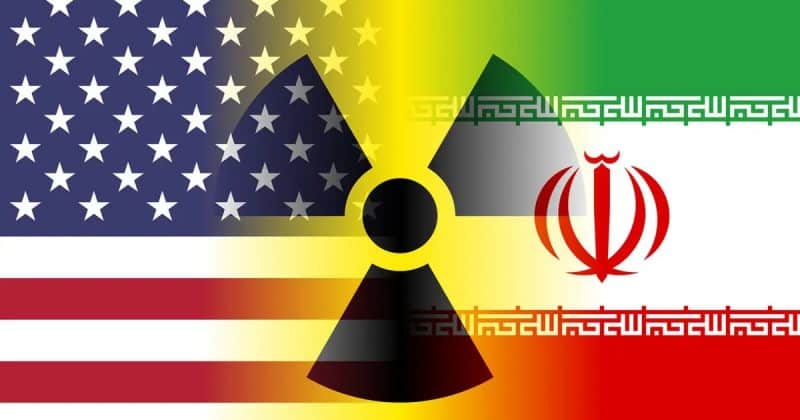
Iran has formally laid out a two-phase diplomatic roadmap for its negotiations with the United States, splitting the talks into an initial stage focused on ending hostilities and a second stage dedicated to the nuclear program and sanctions relief. The framework, confirmed by Iranian Foreign Minister Abbas Araghchi, represents the most structured attempt at US-Iran engagement since the 2015 nuclear deal era.

The two-stage playbook

The first phase revolves around a memorandum of understanding aimed at ceasing hostilities, reopening the Strait of Hormuz, and delivering some form of interim sanctions relief.

The second phase covers a comprehensive review of Iran’s nuclear program and broader sanctions concerns, with a proposed 60-day window that can be extended. Signing of the initial MOU is anticipated by mid-June 2026, which would set the clock ticking on nuclear discussions.

The structure intentionally suspends the most contentious issues, like nuclear enrichment, to let initial agreements on hostilities and economic relief move forward. It borrows elements from the 2015 Joint Comprehensive Plan of Action, the Obama-era nuclear deal that the Trump administration previously abandoned in 2018.

Advertisement

Indirect negotiations involving Oman, and later Pakistan and Qatar as mediators, began in April 2025.

US officials have emphasized that any sanctions relief will be performance-based rather than immediate, tied to verifiable commitments from Iran.

The crypto sanctions angle

On June 2, 2026, the Treasury sanctioned four Iranian digital asset exchanges: Nobitex, Bitpin, Ramzinex, and Wallex. The accusation: facilitating sanctions evasion on behalf of the Islamic Revolutionary Guard Corps. Nobitex is Iran’s largest digital asset exchange, making this the most significant enforcement action against Iranian crypto platforms to date.

The IRGC is designated as a foreign terrorist organization by the US, which means any entity found facilitating its financial operations faces the harshest possible penalties.

Market reaction: a collective shrug

Oil prices have shown some sensitivity to developments around the Strait of Hormuz, which makes sense given that roughly a fifth of the world’s petroleum passes through that chokepoint. Equities posted slight gains reflecting de-escalation signals.

Crypto markets haven’t budged in any meaningful way. No significant price impacts followed the framework announcement. The sanctions against Iranian exchanges similarly failed to generate broader market volatility, likely because the affected platforms were already operating in a relatively isolated ecosystem.

What this means for investors

The two-stage framework creates a defined timeline that investors can actually track. If the MOU gets signed by mid-June 2026 as anticipated, the 60-day nuclear negotiation window gives markets a concrete period to monitor for escalation or progress.

The performance-based sanctions relief model means Iran must demonstrate verifiable compliance before restrictions ease, extending the timeline for any meaningful economic opening well beyond the initial 60-day window.

Disclosure: This article was edited by Editorial Team. For more information on how we create and review content, see our Editorial Policy.

Iran reveals two-stage framework for US talks on sanctions, nuclear program

Iran reveals two-stage framework for US talks on sanctions, nuclear program

Iranian FM Abbas Araghchi outlines phased approach starting with ceasefire and Strait of Hormuz measures, followed by nuclear and sanctions negotiations

Iran has formally laid out a two-phase diplomatic roadmap for its negotiations with the United States, splitting the talks into an initial stage focused on ending hostilities and a second stage dedicated to the nuclear program and sanctions relief. The framework, confirmed by Iranian Foreign Minister Abbas Araghchi, represents the most structured attempt at US-Iran engagement since the 2015 nuclear deal era.

The two-stage playbook

The first phase revolves around a memorandum of understanding aimed at ceasing hostilities, reopening the Strait of Hormuz, and delivering some form of interim sanctions relief.

The second phase covers a comprehensive review of Iran’s nuclear program and broader sanctions concerns, with a proposed 60-day window that can be extended. Signing of the initial MOU is anticipated by mid-June 2026, which would set the clock ticking on nuclear discussions.

The structure intentionally suspends the most contentious issues, like nuclear enrichment, to let initial agreements on hostilities and economic relief move forward. It borrows elements from the 2015 Joint Comprehensive Plan of Action, the Obama-era nuclear deal that the Trump administration previously abandoned in 2018.

Advertisement

Indirect negotiations involving Oman, and later Pakistan and Qatar as mediators, began in April 2025.

US officials have emphasized that any sanctions relief will be performance-based rather than immediate, tied to verifiable commitments from Iran.

The crypto sanctions angle

On June 2, 2026, the Treasury sanctioned four Iranian digital asset exchanges: Nobitex, Bitpin, Ramzinex, and Wallex. The accusation: facilitating sanctions evasion on behalf of the Islamic Revolutionary Guard Corps. Nobitex is Iran’s largest digital asset exchange, making this the most significant enforcement action against Iranian crypto platforms to date.

The IRGC is designated as a foreign terrorist organization by the US, which means any entity found facilitating its financial operations faces the harshest possible penalties.

Market reaction: a collective shrug

Oil prices have shown some sensitivity to developments around the Strait of Hormuz, which makes sense given that roughly a fifth of the world’s petroleum passes through that chokepoint. Equities posted slight gains reflecting de-escalation signals.

Crypto markets haven’t budged in any meaningful way. No significant price impacts followed the framework announcement. The sanctions against Iranian exchanges similarly failed to generate broader market volatility, likely because the affected platforms were already operating in a relatively isolated ecosystem.

What this means for investors

The two-stage framework creates a defined timeline that investors can actually track. If the MOU gets signed by mid-June 2026 as anticipated, the 60-day nuclear negotiation window gives markets a concrete period to monitor for escalation or progress.

The performance-based sanctions relief model means Iran must demonstrate verifiable compliance before restrictions ease, extending the timeline for any meaningful economic opening well beyond the initial 60-day window.

Disclosure: This article was edited by Editorial Team. For more information on how we create and review content, see our Editorial Policy.